Europe’s Solar Record Masks a Grid-Flexibility Gap
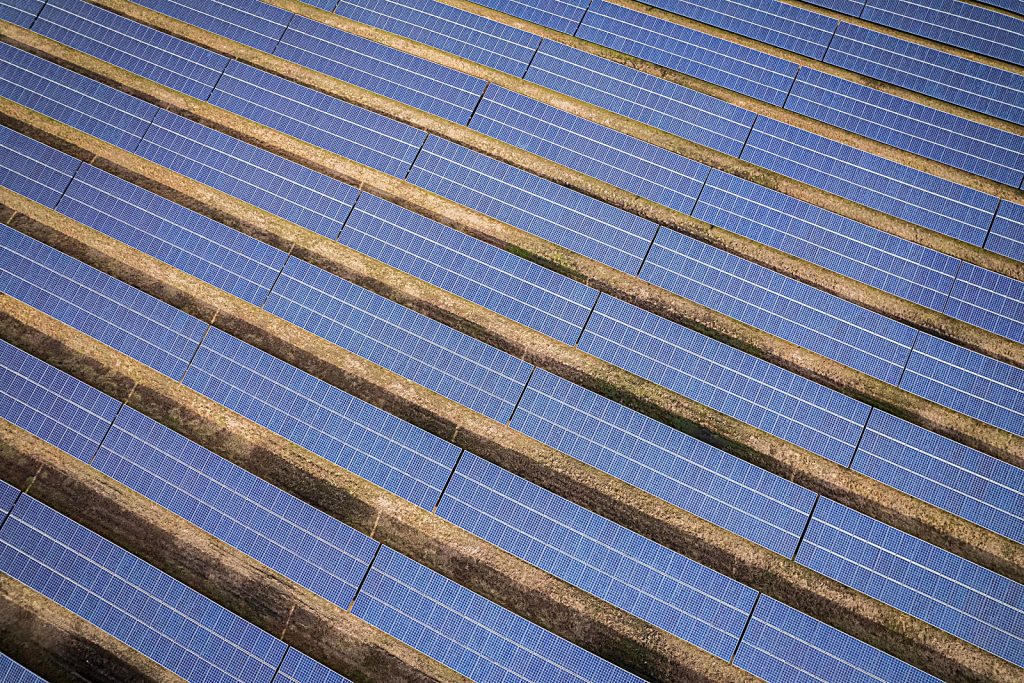
Solar became Europe’s largest electricity source in June. SolarPower Europe estimates the continent’s solar fleet saved more than €30 billion in gas imports for power generation over the first half-year of the Middle East conflict, yet the association’s September review identifies a growing mismatch: solar’s contribution to energy security is rising while political support weakens, grid connections are being rationed, and flexibility is scarce.. The group projects a slight drop in new EU solar installations for 2026.
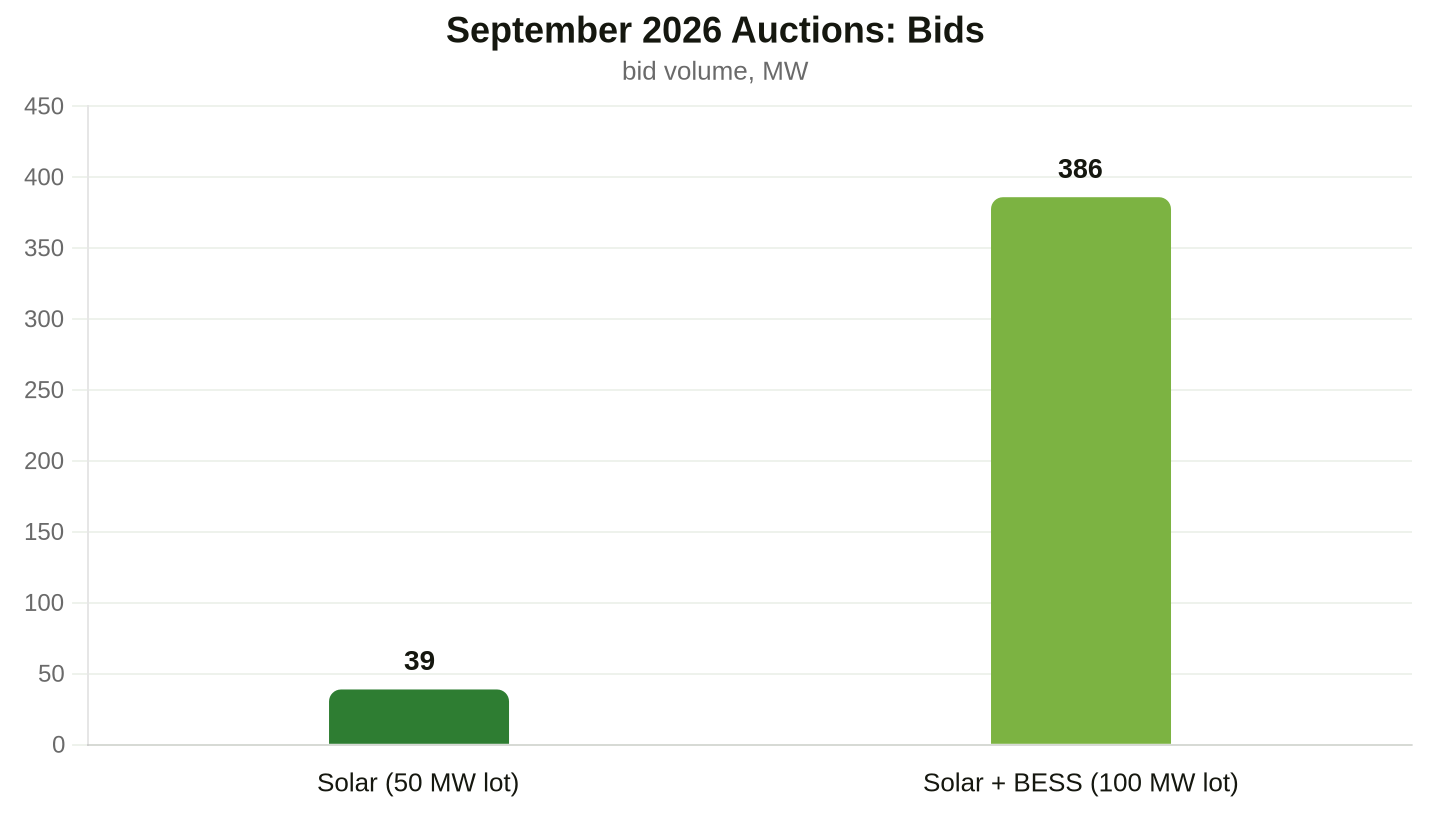
Ukraine’s September auction preliminary results show where market demand is concentrating. A 50 MW standalone solar lot received three bids totalling 39 MW; a 100 MW hybrid solar-plus-storage lot drew 26 bids covering 386 MW, at a ceiling price of €0.12 per kilowatt-hour against €0.08 for standalone. The figures are applications, not commissioned projects, but the disparity signals stronger appetite for paired systems.
Deployment data from Central and Eastern Europe confirms the pull. Romania is building a 918 MWh battery, with 120 MWh already operating in Teiuș; Bulgaria’s Devnya plant expanded from 5 to 65 MWp and added 60 MW of storage with 165 MWh capacity. Schneider Electric Research Institute’s modelling across 40,500 scenarios finds optimised mixes of distributed solar, batteries, and centralised generation could lower total system costs by roughly 10 percent at current average global costs and up to 40 percent under 2030s projections — modelled estimates, not consumer bills; the study is company-sponsored.
Denmark moved in October to replace first-come-first-served grid access with priority tiers: public functions, electrification, then the remainder, with lighter-grid-impact projects able to advance within each category. Standalone storage lands in the third tier unless it operates jointly with renewables, in which case it can qualify for the second. CleanTechnica commentator Ray Wills argues rules should recognise how assets actually operate, not simply the technology label they carry.
Source: CleanTechnica
Become a member of 100 RE UA
Switching to 100% renewable energy in Ukraine is possible!