
Three Key Trends Shaping Renewable Energy at the Start of 2026
1. Solar + Storage + Digital Grids: The New Industry Standard
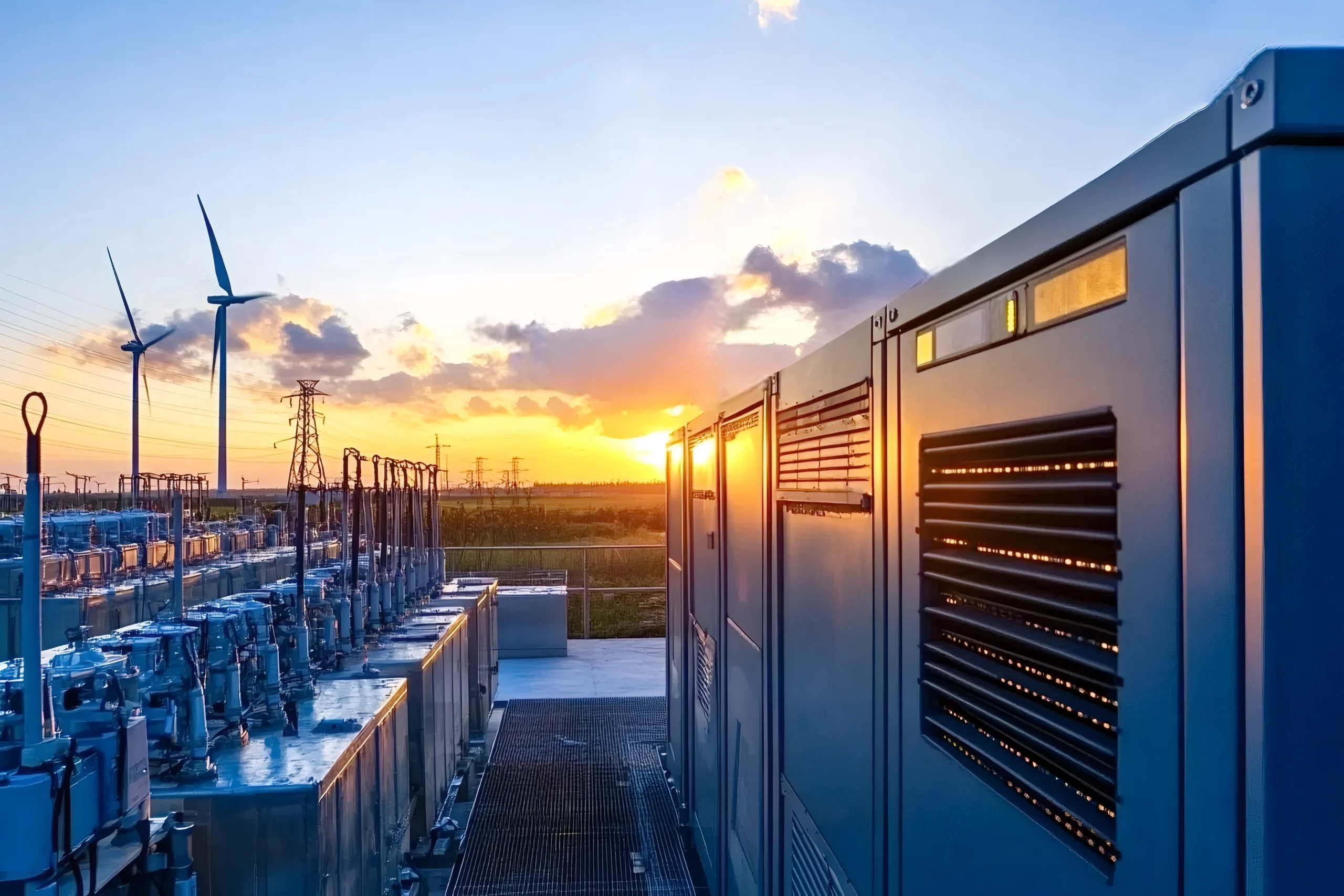
Renewable energy projects are no longer developed as standalone generation assets. Today, the dominant model is the integration of solar power, battery energy storage systems (BESS), and digital grid management solutions into unified hybrid systems.
Why this matters:
-
Solar and wind generation are inherently intermittent and depend on weather and time of day.
-
Without energy storage, power systems struggle to maintain balance and reliability as renewable penetration grows.
-
BESS enables excess solar generation to be stored during the day and dispatched during peak demand hours, while digital platforms optimize energy flows and grid interaction.
Ukraine in focus:
In Ukraine, this trend is already materializing through the deployment of commercial-scale BESS projects and hybrid solar power plants. Storage is increasingly viewed not as an optional add-on, but as a core element of grid stability, market participation, and energy security.
Key takeaway:
The combination of PV + BESS + digital grids is no longer a future vision — it has become the baseline design standard for modern renewable energy projects.
2. Distributed Generation as a Foundation of Energy Resilience
A second defining trend is the shift away from centralized power systems toward distributed energy resources (DER) — rooftop solar, local battery systems, microgrids, and virtual power plants (VPPs).
What this includes:
-
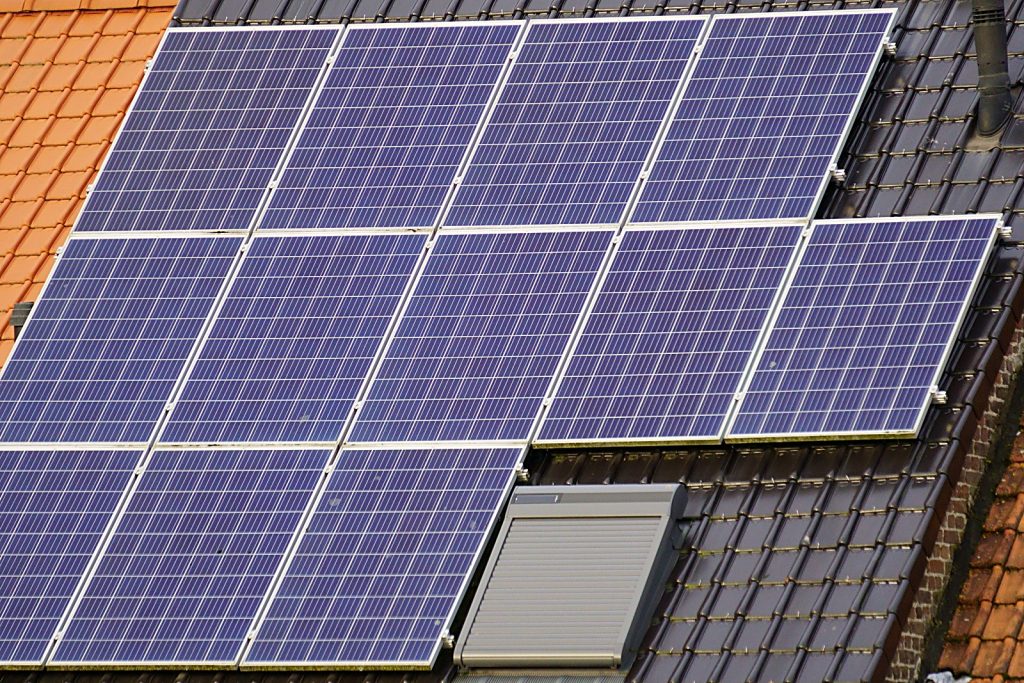
Rooftop solar PV systems for households, businesses, and public buildings.
-
Microgrids, capable of operating independently or in coordination with the main grid.
-
Virtual power plants (VPPs) that aggregate thousands of small-scale assets into dispatchable, grid-supporting resources.
Ukraine in focus:
According to the International Energy Agency (IEA), Ukraine needs to deploy approximately 4 GW of distributed solar capacity annually until 2030, alongside large-scale deployment of battery storage at consumer, business, and community levels.
This transition is not only about decarbonization — it is about energy resilience, decentralization, and reduced vulnerability of critical infrastructure.
Key takeaway:
Distributed generation is rapidly becoming a strategic pillar of Ukraine’s energy system transformation, enabling flexibility, autonomy, and local control.
3. Economic Viability Takes Priority Over Installed Capacity
The third major trend shaping renewable energy markets in 2026 is a strong shift toward economic viability and predictable revenues. Investors are increasingly selective, prioritizing projects with clear business models and manageable risk profiles.
What defines bankable projects today:
-
Long-term revenue mechanisms such as PPAs, CfDs, and capacity or flexibility payments.
-
Integration of battery storage, enabling participation in multiple revenue streams — energy sales, balancing services, peak shaving, and backup supply.
-
Digital optimization and market integration that improve asset utilization.
Ukraine in focus:
In Ukraine, this trend is accelerating the development of:
-
Self-consumption and behind-the-meter solar + storage projects,
-
ESCO-based solutions for businesses and municipalities,
-
Hybrid systems designed to deliver both technical reliability and financial stability.
International financial institutions and private investors increasingly support projects that combine renewable generation with storage and flexibility services.
Key takeaway:
In 2026, renewable energy growth is driven not by megawatts alone, but by projects that are economically resilient, financeable, and integrated into energy markets.
Conclusion
Renewable energy in 2026 is no longer just about “green power.”
It is about building integrated, distributed, and economically sustainable energy systems.
For Ukraine, these trends represent a critical opportunity — to strengthen energy security, accelerate decentralization, and align the energy transition with long-term economic resilience.
Become a member of 100 RE UA
Switching to 100% renewable energy in Ukraine is possible!