
State Financing for Energy Independence: How Ukraine’s Decarbonization Fund Supports Business
Ukrainian companies are gradually moving from short-term responses to energy crises toward long-term investments in energy efficiency, on-site generation, and carbon reduction. An important shift is that these investments are now supported not only by market incentives, but also by dedicated public financial instruments. One of the key tools is the Decarbonization Fund of Ukraine.
The Fund is a state financial institution that provides concessional loans and other financing instruments for energy-efficiency and decarbonization projects. Its core objective is to reduce energy costs for businesses, strengthen energy resilience, and support the transition toward a low-carbon economy.
Who can access the financing
Funding from the Decarbonization Fund is available to:
-
individual entrepreneurs;
-
private companies;
-
state-owned and municipal enterprises;
-
homeowners’ associations;
-
local authorities.
For businesses, the main instrument is concessional loans or leasing at around 5–9% annual interest for energy-efficiency and decarbonization measures.
Financing limits:
-
up to UAH 90 million per individual project;
-
up to UAH 150 million per company or group of companies.
What types of projects are supported
The Fund covers a wide range of projects aimed at reducing energy consumption and emissions, including:
-
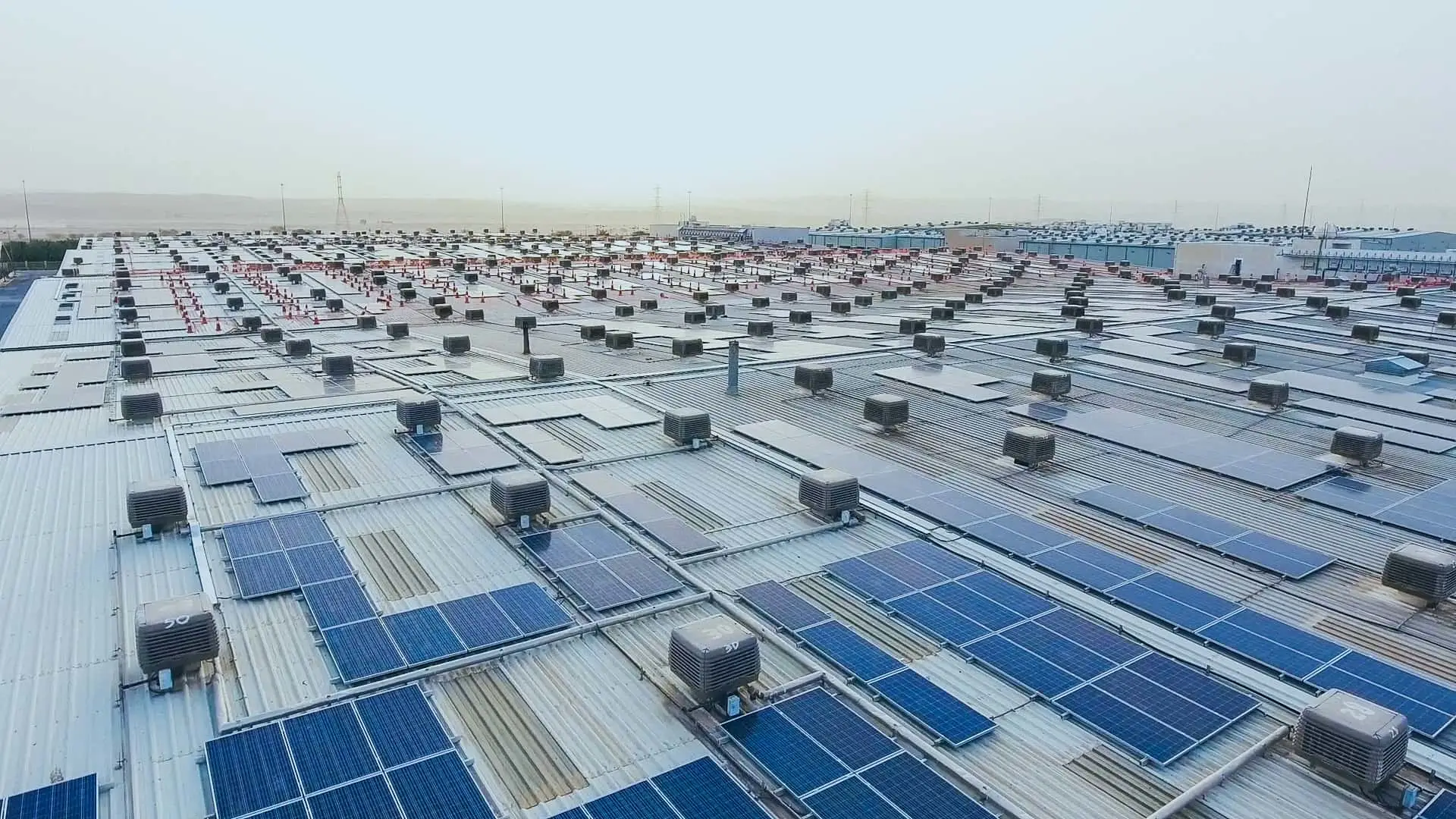
rooftop or ground-mounted solar power plants;
-
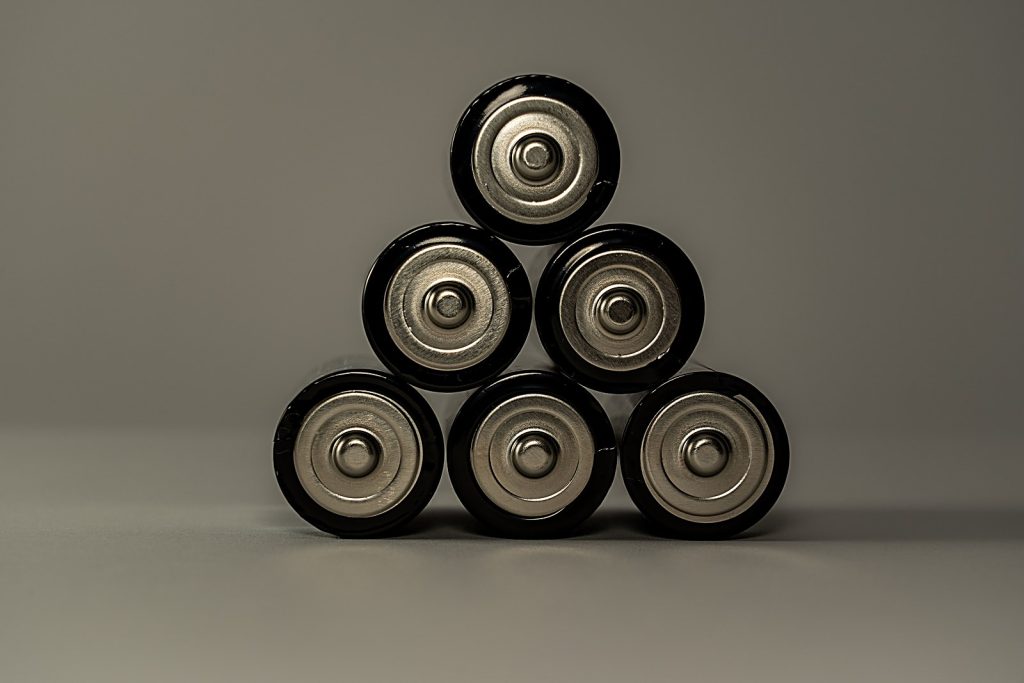
battery energy storage systems (BESS);
-
cogeneration units;
-
industrial energy-efficiency upgrades;
-
building thermal modernization;
-
high-efficiency equipment and other decarbonization measures.
In practice, projects need to meet only two core criteria:
-
improve energy efficiency or replace grid electricity consumption;
-
reduce CO₂ emissions.
Key eligibility requirements
To receive financing, businesses must:
-
be registered under Ukrainian law and operate for at least one year;
-
have no links to the aggressor state or sanctioned entities;
-
have ultimate beneficial owners who are individuals and residents of Ukraine.
What this means for Ukraine’s energy transition
The creation of the Decarbonization Fund signals a structural shift in how energy investments are financed.
1. From feed-in tariffs to self-consumption economics
For years, the renewable sector was driven primarily by feed-in tariffs. Today, the focus is shifting toward projects that improve the economics of self-consumption. Affordable financing for efficiency, distributed generation, and storage makes such projects viable for a wide range of companies.
2. Acceleration of BESS and hybrid solutions
Solar, storage, and cogeneration are becoming typical investment cases for businesses that want to:
-
reduce electricity costs;
-
protect operations from outages;
-
manage peak loads more effectively.
3. Alignment with European energy and climate policy
The Fund’s mandate directly supports the transition to European-style low-carbon energy systems. For Ukrainian exporters, reducing carbon intensity is becoming increasingly important in light of EU climate policies and future carbon border mechanisms.
Potential impact by 2030
According to the Fund’s projections, by 2030 the program could:
-
reduce CO₂ emissions by up to 65%;
-
finance projects worth approximately UAH 8.8 billion;
-
support more than 300 energy projects;
-
leverage over UAH 1 billion in additional co-financing.
These figures indicate that the state is not only focusing on large-scale energy infrastructure, but also on the widespread modernization of businesses across sectors.
Conclusion
The Decarbonization Fund of Ukraine represents one of the first systemic financial instruments designed to:
-
lower the entry barrier for energy-efficiency investments;
-
stimulate on-site renewable generation;
-
create demand for battery storage and hybrid energy systems;
-
help businesses transition from energy dependence to controllable, cost-efficient energy use.
For Ukrainian companies, energy resilience is no longer just an operational expense—it is becoming a strategic investment supported by accessible state financing.
Become a member of 100 RE UA
Switching to 100% renewable energy in Ukraine is possible!