
Wind Power Is Moving to a “Wind + Flexibility” Model: Why BESS Is Becoming the New Standard
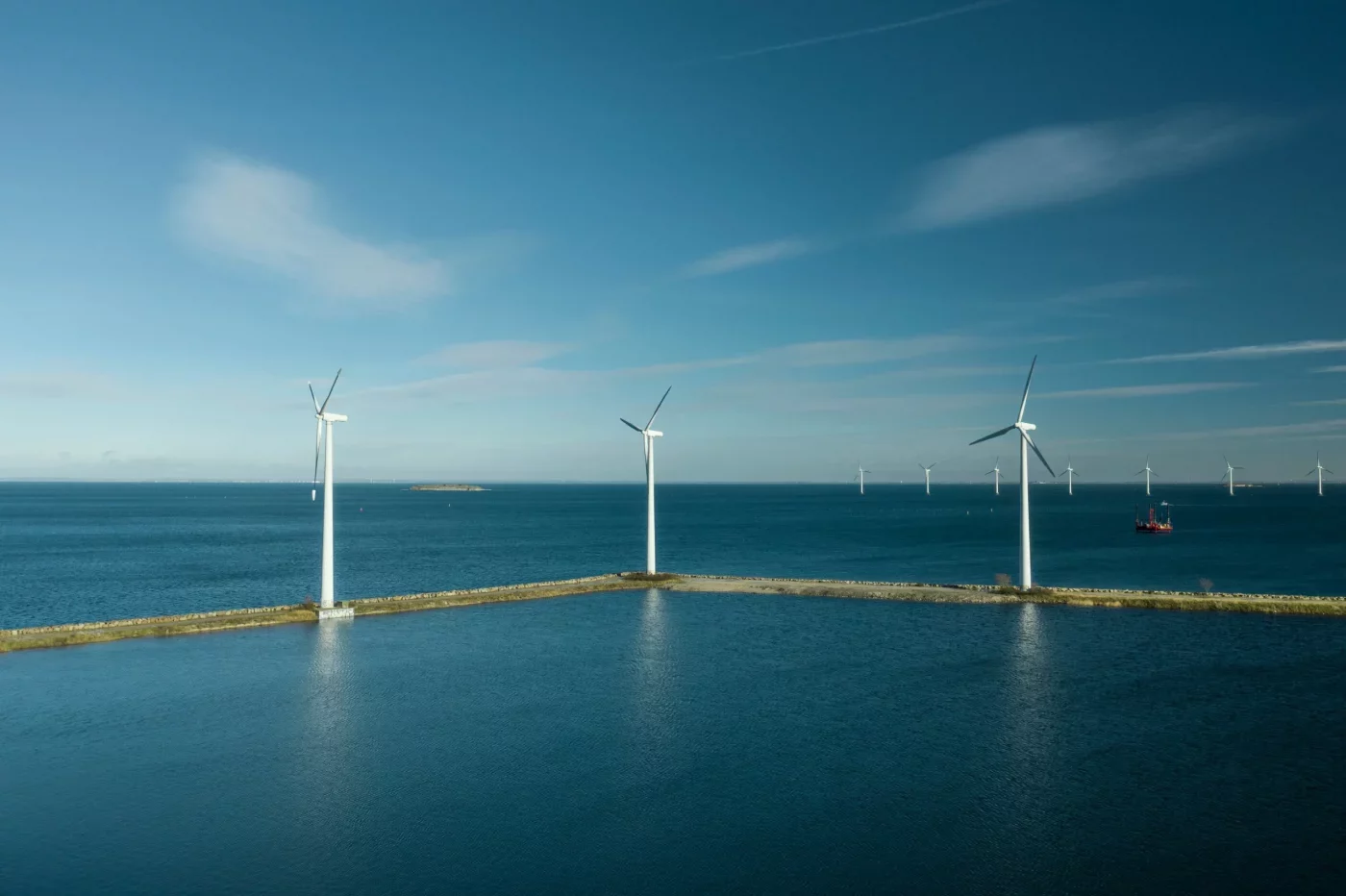
Wind power is entering a phase where the key question is no longer “How many turbines?” but “How does wind electricity actually work inside the power system?” Recent deals and market signals from Europe and Ukraine point to the same trend: the faster wind’s share grows, the more the market and the grid demand flexibility — energy storage, imbalance management, grid upgrades, and smarter connection and balancing rules.
Europe: wind scales up—and batteries become the market standard
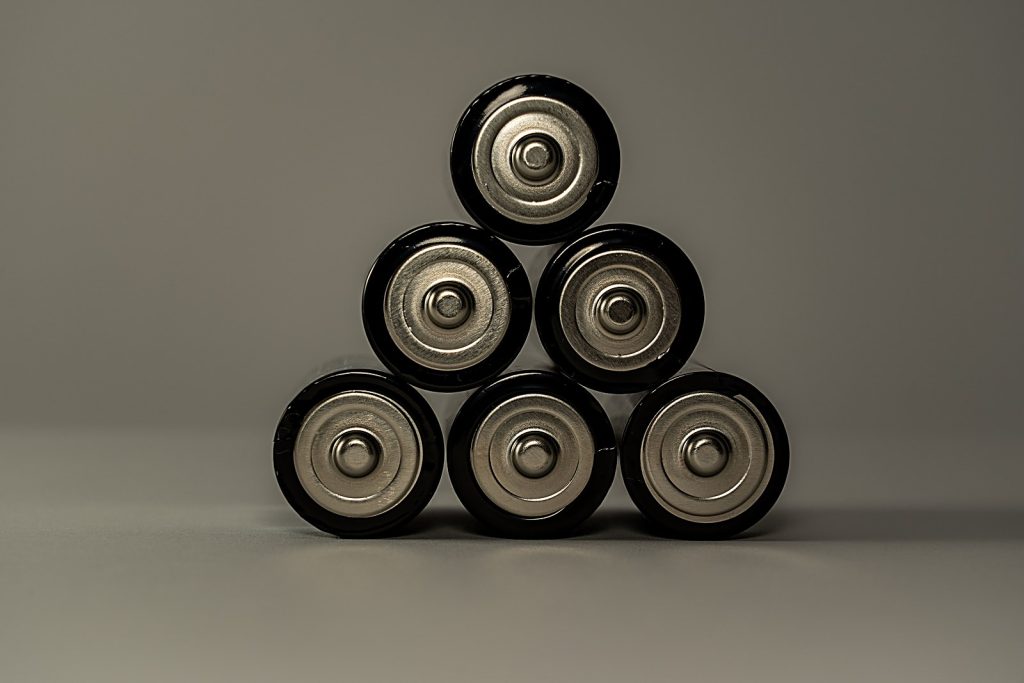
A telling example is a long-term deal where energy storage is effectively used to “smooth” wind generation. Statkraftsigned a seven-year PPA with Swedish developer OX2 for two battery energy storage systems (BESS) in western Finland — 110 MW and 125 MW (contract start from 2028).
A key detail: these BESS projects are planned to operate alongside OX2’s wind assets and share a grid connection point. This is not “a standalone battery project” but an infrastructure element that turns wind into a more manageable and predictable product for both the system and the market.
Why does this matter specifically for wind?
Because scaling wind generation produces two effects that investors and grid operators can no longer ignore:
-
Price volatility: during high-wind hours, supply rises sharply → prices fall.
-
Negative prices (in some zones/countries): when “green” generation exceeds what the system can absorb or export due to grid and flexibility constraints.
At this stage, BESS becomes not a “nice-to-have,” but a way to:
-
reduce losses during low/negative price hours,
-
monetize flexibility (fast reserves, ancillary services),
-
cut imbalance risks and make output profiles more predictable.
Bottom line: the higher wind’s share, the less valuable “installed MW on paper” becomes — and the more valuable controllability becomes.
Ukraine: wind capacity is accelerating again, but the bottleneck shifts to the system
Ukraine’s market is also showing signs of renewed momentum: public estimates indicate around 500–600 MW of new wind capacity could be added during 2026.
This matters for two reasons:
-
Wind is regaining an investment pace even under extremely challenging conditions.
-
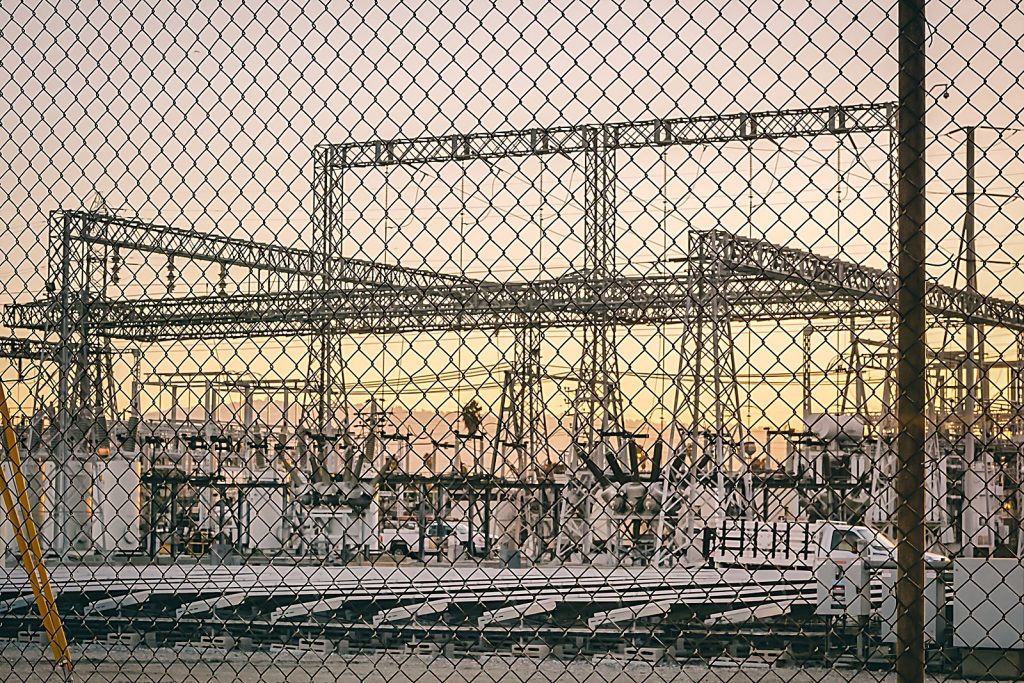
At the same time, the “system layer” becomes decisive — everything that determines whether new wind is real usable electricity in the grid, not just installed capacity in a report:
-
grid connections and real available capacity,
-
dispatching and curtailment,
-
balancing and reserves,
-
integration of storage and demand management.
-
In other words, in 2026–2027, the key issue for Ukraine is not only “how much we build,” but “how it will operate in the network”—both in normal operation and under stress.
Storage in Ukraine: not only economics, but resilience
If in the EU batteries are often framed as a response to market volatility and revenue optimization, Ukraine has an additional layer: resilience.
Energy storage helps to:
-
support critical loads,
-
stabilize the system quickly during disturbances,
-
smooth variable generation,
-
reduce reliance on emergency measures.
That is why the wind + BESS combination in Ukraine is increasingly shifting from an “optional improvement” to a practical infrastructure necessity.
The new wind economics: the questions that come first now
When discussing wind projects, the decisive factors are increasingly not only CAPEX and wind resource quality, but three groups of parameters:
A) Market and price
-
what happens to revenues during surplus hours,
-
whether there is a mechanism to reduce volatility (BESS, contracts, services).
B) Grid and connection
-
whether there is real available network capacity,
-
whether a hybrid configuration (wind + BESS) is feasible with a shared connection point.
C) Bankability
-
whether there is a predictable cashflow (long-term contracts, clear rules),
-
how the project manages imbalances and curtailment risks.
Conclusion
Wind power is entering a new cycle: scaling has become the norm, and the competitive advantage is increasingly controllability. European practice shows that the more wind you have, the more you need storage and system solutionsso wind works not only “when it’s windy,” but “when the system needs it.” For Ukraine this approach is even more critical: accelerated wind growth in the coming years logically makes BESS, grids, and balancing top priorities — the conditions for real scale, not just installed capacity.
Become a member of 100 RE UA
Switching to 100% renewable energy in Ukraine is possible!