
Thermal Modernisation of the Poltava Polytechnic Campus: how the university combines energy efficiency, infrastructure renewal and resilience
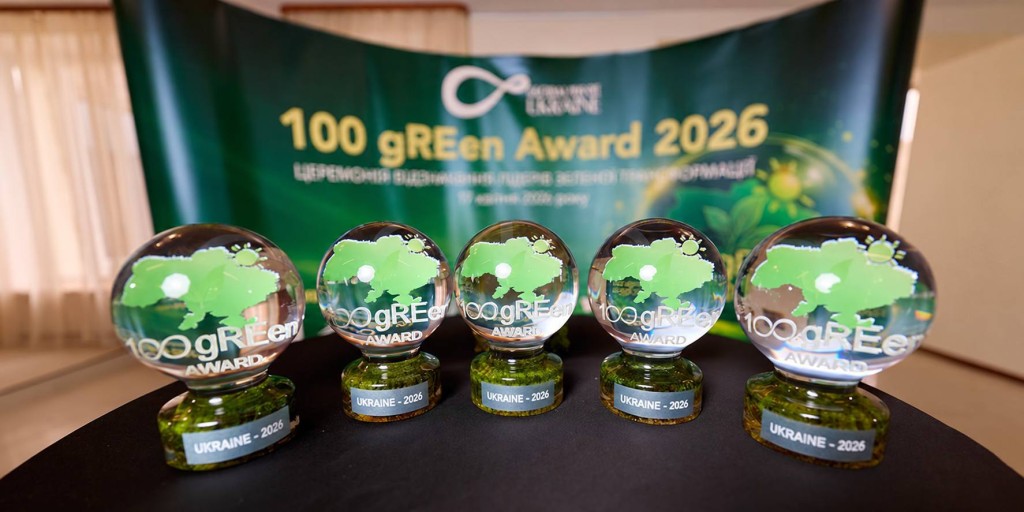
The thermal modernisation project of Poltava Polytechnic became one of the winners of the 100 gREen AWARD-2025, an award that recognises the best implemented green transformation projects in Ukraine. This case was distinguished as an example of a systemic approach to upgrading educational infrastructure, where energy efficiency, building modernisation, and the long-term resilience of the campus are combined in one large-scale solution.
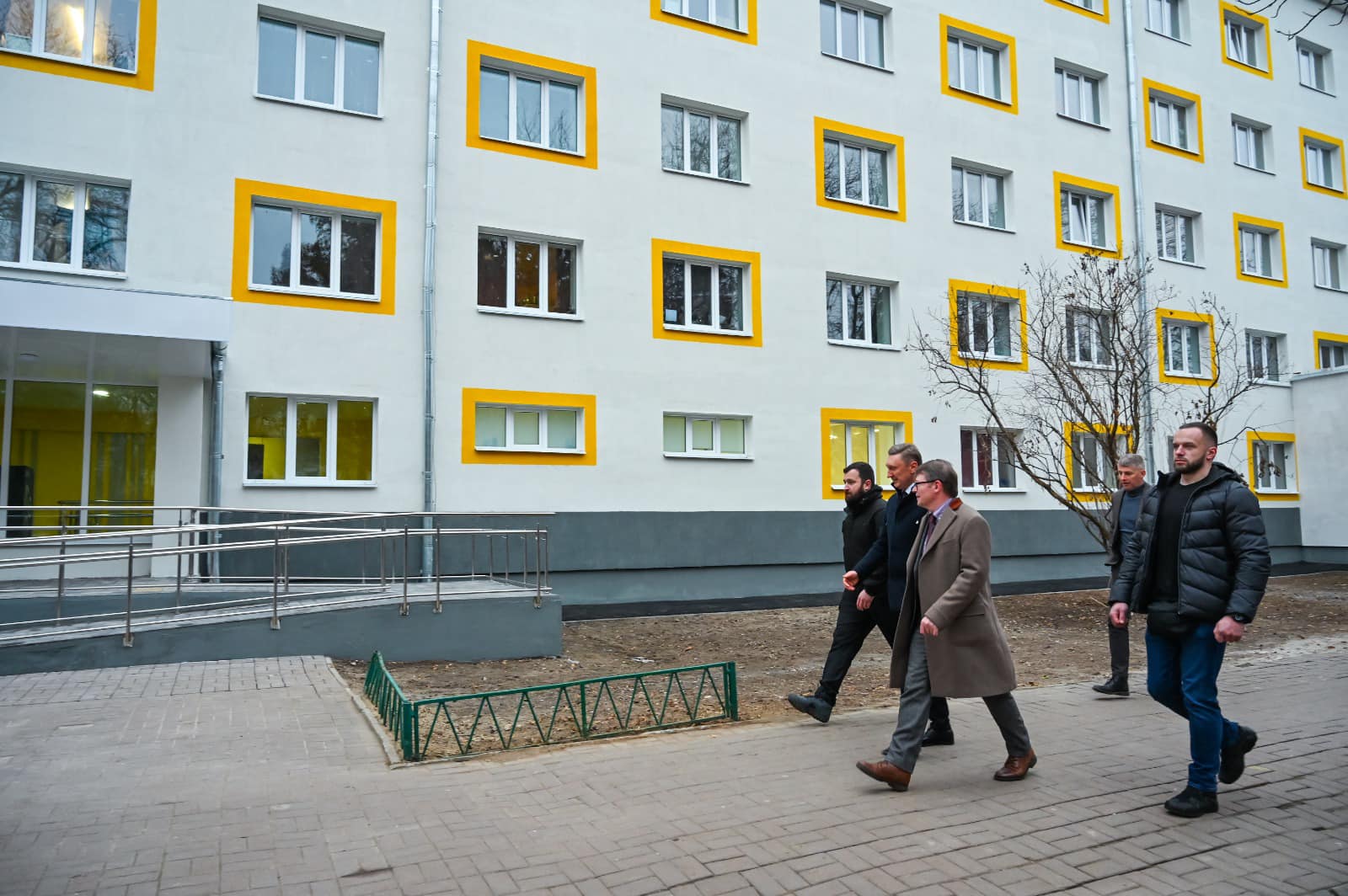
In 2025, the National University “Yuri Kondratyuk Poltava Polytechnic” continues to implement a large-scale project for the thermal modernisation of academic buildings and student dormitories within the framework of the European Investment Bank initiative “Ukraine Higher Education. Energy Efficiency and Sustainable Development.” For the university, this is not just a construction upgrade, but a long-term infrastructure project that combines building modernisation, reduced energy consumption, and greater resilience of the educational environment.
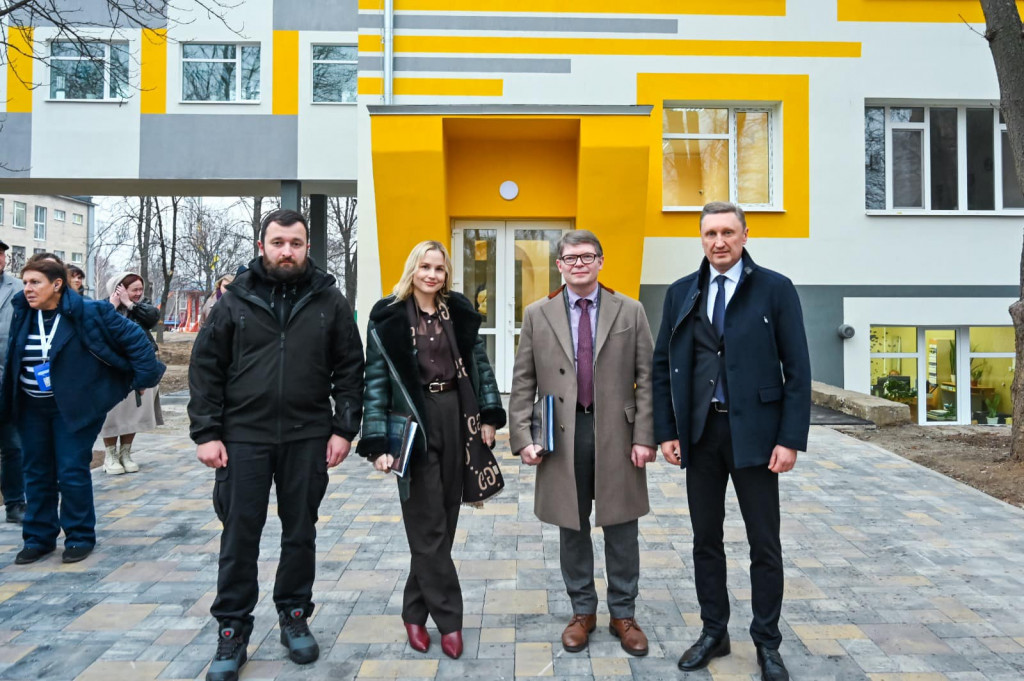
The story of this case began much earlier. Back in 2021, Poltava Polytechnic became one of six Ukrainian universities that signed contracts under the project for the comprehensive energy-efficient renovation of buildings with the support of the EIB and the EU. At that stage, the focus was on modernising university infrastructure as part of a broader national and international programme aimed at upgrading higher education institutions in Ukraine. The university itself publicly emphasised that this project was strategic for its long-term development.
One of the strongest aspects of the Poltava case is that the university did not remain at the stage of waiting for external decisions, but carried out a significant share of the preparatory work on its own. In 2023, Poltava Polytechnic publicly stated that it had become the only university among the project participants able to independently develop the design and cost-estimate documentation for the first facilities — Building A, Building Ts, and Dormitory No. 4. According to the university team, this made it possible not only to accelerate the launch of the practical phase, but also to save substantial resources that could then be directed straight into implementation.
The approach to the modernisation itself is also comprehensive. The university emphasises that the project includes not only traditional insulation measures, but also the reconstruction of heating systems and the installation of digital control systems for heating, lighting, and water supply. In other words, this is not simply about reducing heat loss through building envelopes, but about fully updating the engineering logic of how the buildings function. This directly affects resource savings and improves the overall efficiency of the university campus.
In 2024, the university already presented the first results of the project. Poltava Polytechnic reported that the Delegation of the European Union to Ukraine and the EIB highly appreciated the interim results of the large-scale thermal modernisation of its academic buildings and student dormitories. The university also stressed that this project changes not only the appearance of the buildings, but also their functionality, creating the foundation for a more modern, safer, and more energy-efficient educational space.
In 2025, the work continues. In January, the university once again confirmed that it was moving forward with the EIB project for the comprehensive renovation of academic buildings and student dormitories. Earlier, during technical meetings, representatives of the working group and the university administration discussed the next stages of thermal modernisation and the interim results of the construction works. This shows that the case was not a one-off communication event, but has been unfolding as a consistent multi-year process — from energy audits and design to construction and the presentation of results.
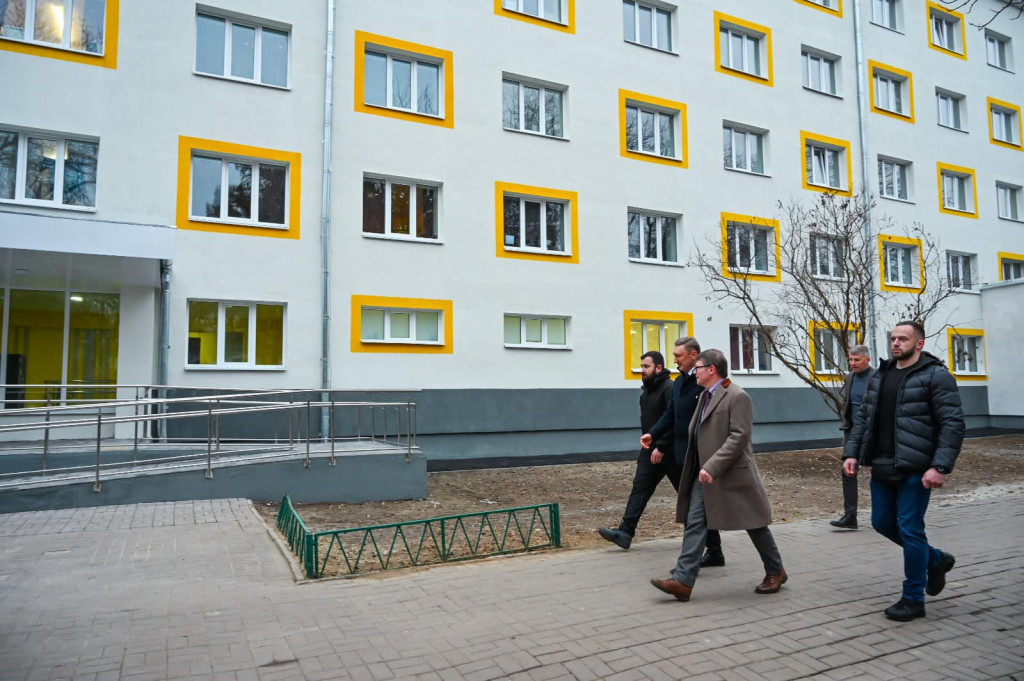
The scale of the ambition also deserves attention. Public sources related to the project stated that the university initially considered the modernisation of up to 16 academic buildings, while the total investment volume for this case was estimated at approximately EUR 7.3–7.5 million, depending on the stage of public presentation. At the same time, in the implementation phase, the university started with specific buildings for which it had managed to prepare documentation and launch the works. This phased approach makes the case especially convincing: it is not limited to a declaration of large ambitions, but moves forward through real technical decisions and gradual implementation.
The importance of this project for Ukraine goes beyond a single university. Poltava Polytechnic demonstrates that the thermal modernisation of higher education institutions is not a secondary issue, but part of a broader logic of post-war resilience. Energy-efficient academic buildings and dormitories mean lower utility costs, better conditions for studying and living, upgraded engineering infrastructure, and less vulnerability to energy crises. In this sense, the project works not only as a construction upgrade, but as an investment in the university’s ability to function steadily under long-term challenges.
This case is also important as an example of institutional agency. The university did not simply join an international programme, but became one of its most visible implementers, formed its own working group, independently prepared documentation for the first facilities, and effectively created a model that can be scaled to other campuses. That is why the story of Poltava Polytechnic’s thermal modernisation is not only a story about insulating buildings. It is an example of how a higher education institution can become an active participant in green transformation by combining international support, internal expertise, and the practical renewal of its own infrastructure.
Become a member of 100 RE UA
Switching to 100% renewable energy in Ukraine is possible!