

Texas Breaks Its Own Demand Record — and Grid Operators Barely Blinked
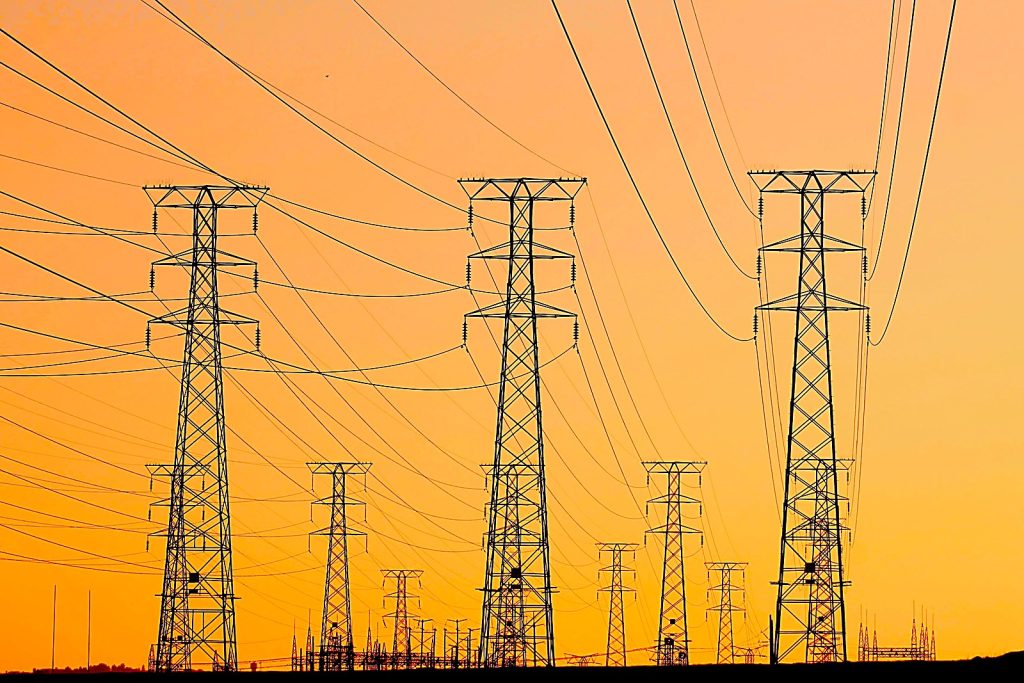
Texas’s power grid set a new all-time peak in July 2026, with demand climbing above 91 gigawatts for the first time in the state’s history. What made the milestone unusual was the absence of any conservation alert from grid operator ERCOT — a quiet that would have been unthinkable just three years ago.
The comparison is striking. Between 2008 and 2022, ERCOT issued nearly 50 calls urging Texans to cut electricity use; in August 2023 alone there were six. This summer, batteries charged on surplus midday solar power absorbed the load that once triggered those warnings, flattening the evening demand curve without any intervention from consumers.
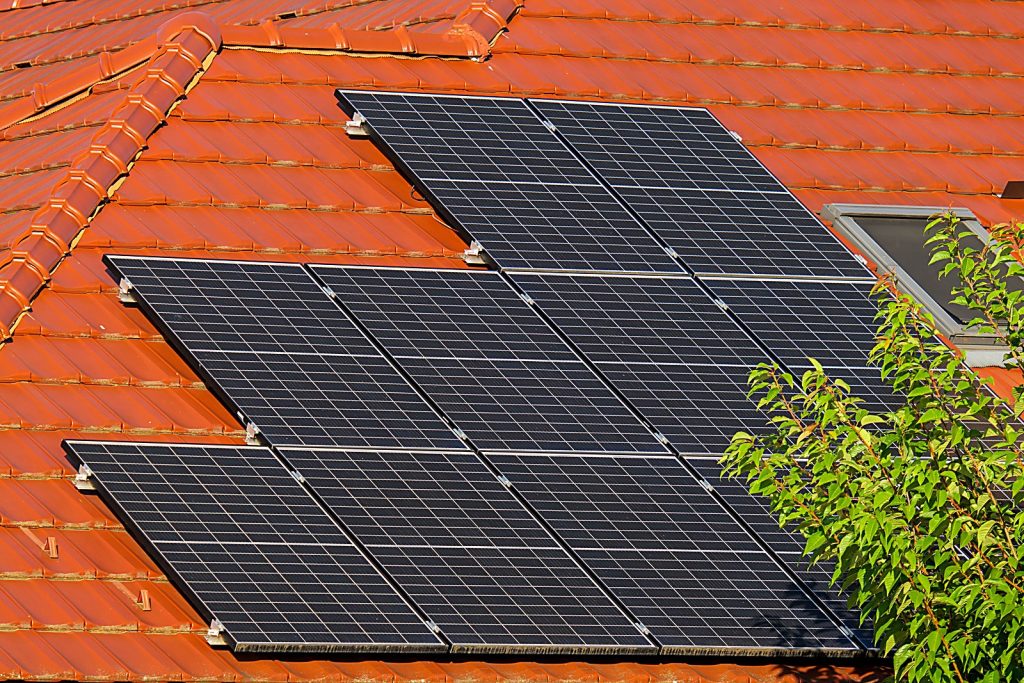
Virtual power plants are maturing into the next layer of this grid flexibility. Uplight — which recently attracted investment from energy retailer Octopus — now manages 8.5 GW of controllable load for more than 85 utilities, covering one million customers. The technology aggregates residential solar panels, home batteries and smart thermostats into a single dispatchable network that shifts energy automatically, storing it during peak generation hours and releasing it when demand spikes.
The economic effect is already visible: wholesale peak electricity prices fell from $85 to $46 per megawatt-hour compared with 2023, a drop tied directly to expanded solar and storage capacity.
A coalition led by PG&E, Google and Tesla is testing a comparable framework called SHARE in California. Both programs are conceived as replicable models for other U.S. regions seeking to maintain reliability as extreme heat events become more frequent.
Source: CleanTechnica
Become a member of 100 RE UA
Switching to 100% renewable energy in Ukraine is possible!