
Oil Shock Makes the Case for EVs and Solar as Geopolitical Shields
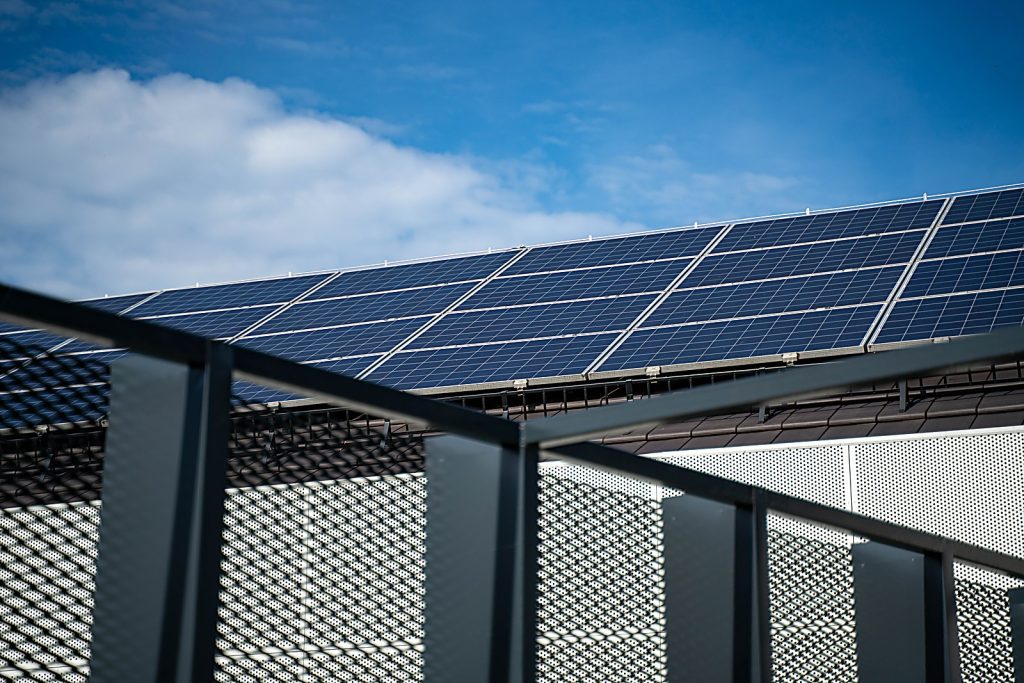
A drone strike on Saudi pipeline infrastructure that circumvents the Strait of Hormuz pulled roughly five million barrels per day from global supply — about five percent of the world total — and sent Brent crude past $104 a barrel. The episode has renewed a broader argument in energy circles: that electric vehicles and rooftop solar are becoming genuine hedges against geopolitical risk.
Electricity prices are rising independently of crude. The average US retail rate has surpassed 20 cents per kilowatt-hour, a jump of 50 percent over six years. The US Energy Information Administration projects wholesale power costs will climb a further 23 percent in 2025 and another 8.5 percent in 2026, with data-center demand cited as a key driver.
Against that backdrop, bidirectional vehicle-to-home (V2H) charging is gaining practical appeal. An EV owner can draw from the grid at off-peak rates, feed surplus back to the house during peak hours, or skip the grid entirely by pairing with a home solar array. The battery pack in the Chevrolet Silverado EV, for instance, can supply an average household for up to 21 days.
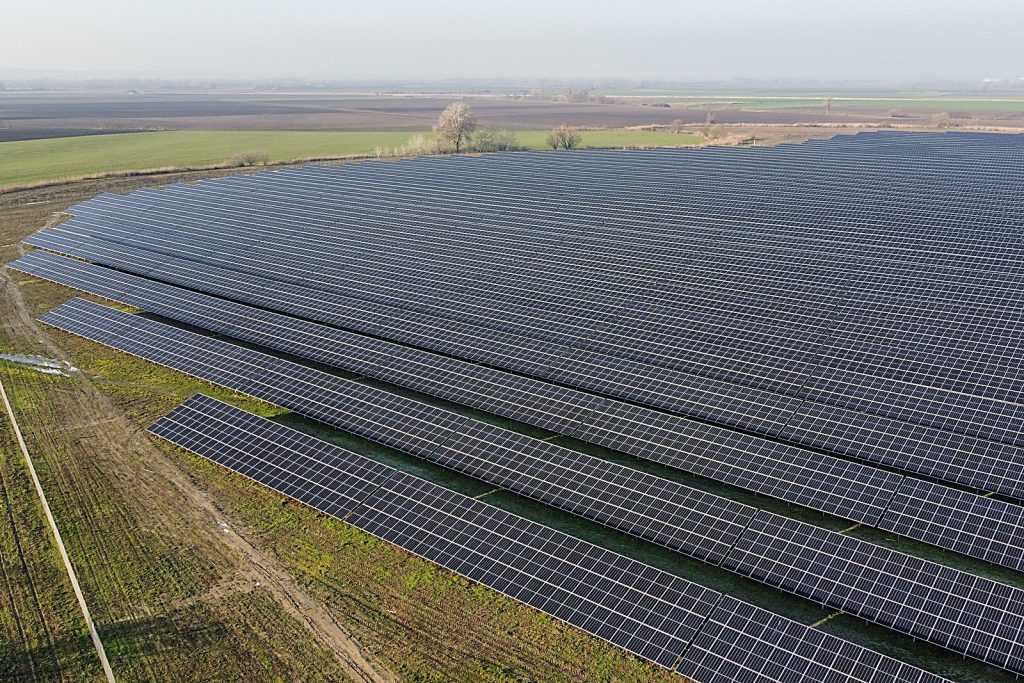
The broader logic, as outlined by Electrek, is that no single piece of technology delivers overnight self-sufficiency. The combination of solar generation, EV storage, and V2H capability converts energy from an externally imposed cost into a portfolio of options the owner controls. When oil prices spike because of a conflict half a world away, distributed generation lets households lock in their own cost baseline rather than absorb the shock.
Source: Electrek
Become a member of 100 RE UA
Switching to 100% renewable energy in Ukraine is possible!