
Melbourne Renewable Energy Hub: A Large-Scale Battery Project Transforming Victoria’s Power System
n December 2025, the Australian state of Victoria officially commissioned one of the world’s largest energy storage projects — the Melbourne Renewable Energy Hub (MREH). This large-scale battery energy storage system (BESS) is a cornerstone of the state’s clean energy transition, designed to strengthen grid reliability, increase flexibility, and support the rapid growth of renewable generation.
What is the Melbourne Renewable Energy Hub?
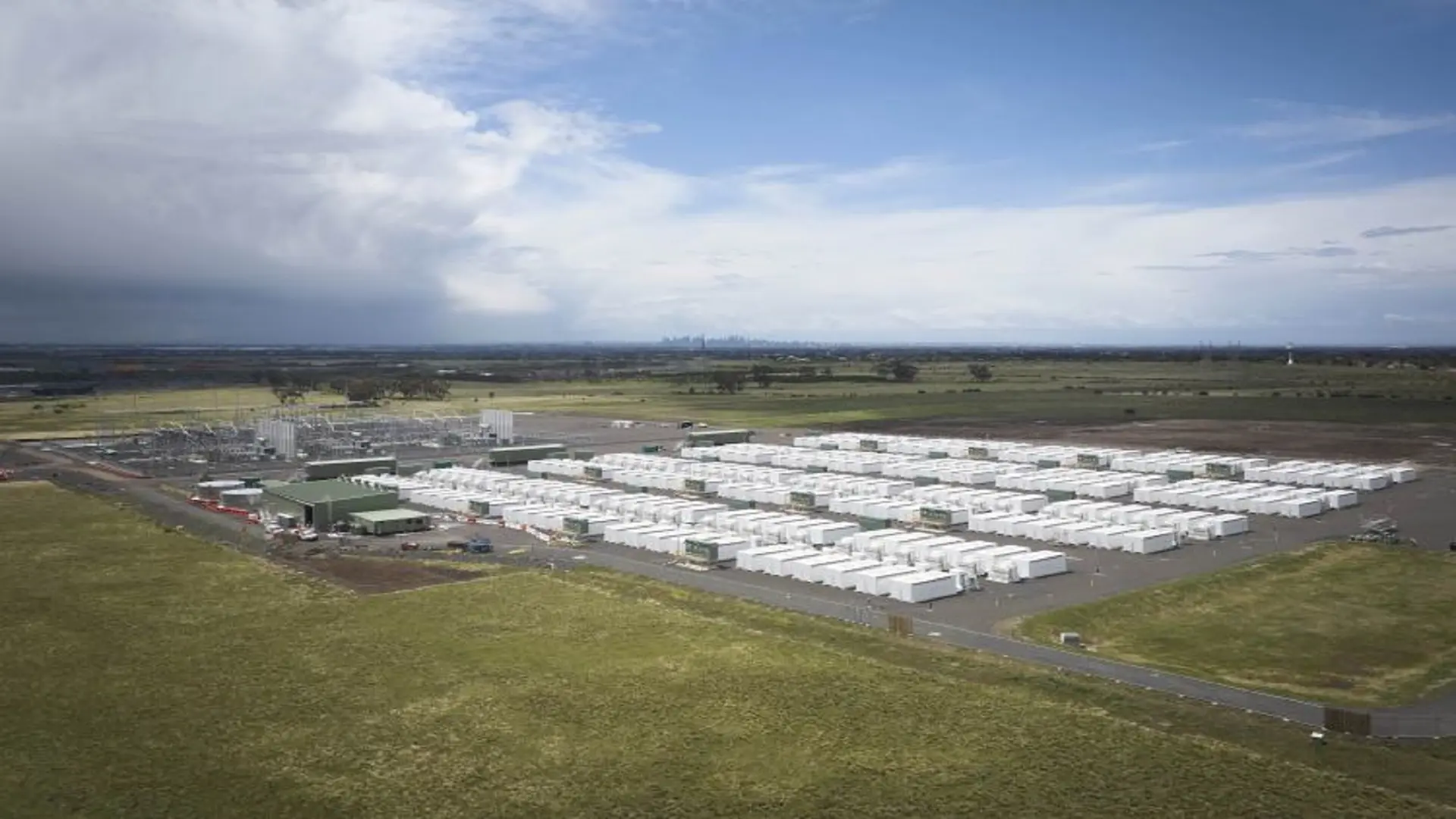
The Melbourne Renewable Energy Hub is a utility-scale battery energy storage facility with a total power capacity of 600 MW and an energy storage volume of 1.6 GWh.
📍 Location:
The facility is located near Hillside (Plumpton), approximately 28 km north-west of Melbourne’s city centre, close to major high-voltage transmission infrastructure.
🔋 System configuration:
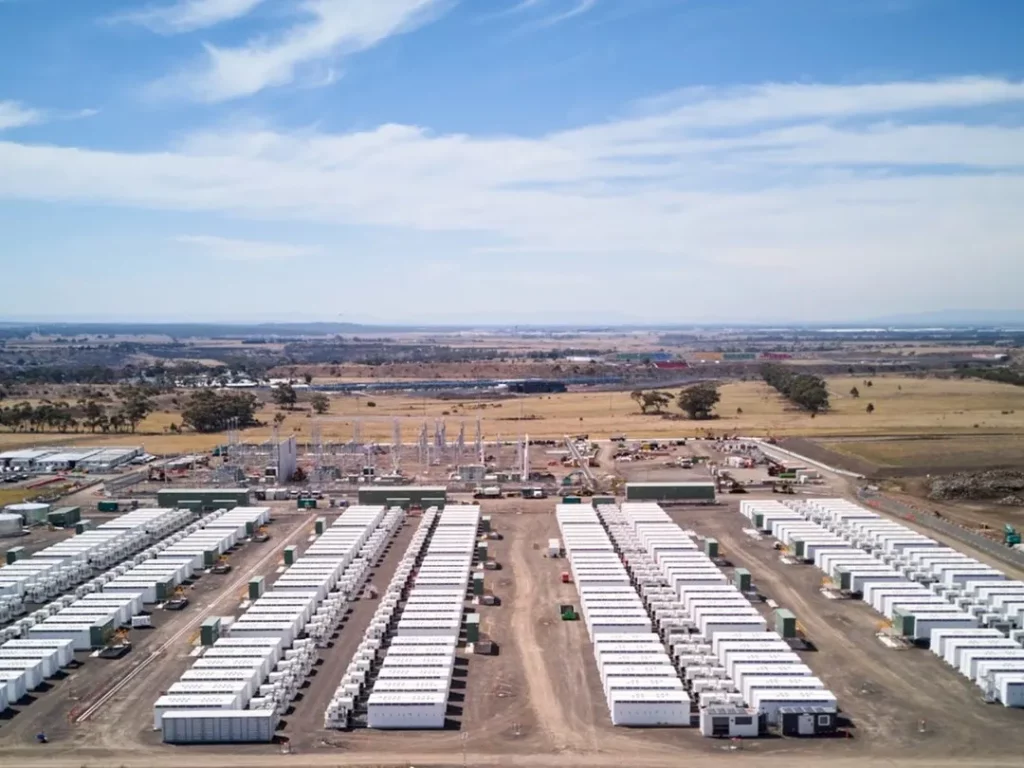
The hub consists of 444 Tesla Megapack battery units, arranged into three independent storage systems:
-
Two systems rated at 200 MW with two-hour duration,
-
One system rated at 200 MW with four-hour duration,
providing a combined storage capacity of 1.6 GWh.
⚡ Supply potential:
The battery is capable of supplying electricity to up to 200,000 households during evening peak demand periods, when electricity consumption is highest.
Why This Project Matters
1. Enabling Renewable Energy Integration
The Melbourne Renewable Energy Hub stores excess electricity generated by solar and wind resources during daytime hours and dispatches it to the grid during the evening peak. This helps smooth the inherent variability of renewable generation and reduces curtailment of clean energy.
2. Strengthening Grid Stability and Energy Security
Strategically located at a key transmission node, the hub provides essential grid services to Victoria and the broader National Electricity Market (NEM), including:
-
Frequency control,
-
Voltage support,
-
Rapid-response reserve capacity.
As coal-fired power stations are progressively retired, assets like MREH are becoming critical for maintaining system reliability.
3. Supporting the Coal Phase-Out
Victoria’s energy transition strategy relies heavily on large-scale batteries to replace the system services historically provided by coal plants. The Melbourne Renewable Energy Hub plays a direct role in enabling this transition while maintaining reliability and affordability.
Technology and Infrastructure
Tesla Megapack Technology
At the core of the project are Tesla Megapack lithium-ion battery systems, purpose-built for grid-scale applications. These systems integrate power electronics, thermal management, and safety systems in a modular design optimised for fast deployment and high reliability.
High-Voltage Grid Connection
A distinctive feature of the project is its 500 kV underground transmission cable, connecting the hub directly to Australia’s high-voltage national grid. This is a rare and technically complex solution, allowing the battery to operate as a system-level asset rather than a localised installation.
Investment and Delivery
The total project cost is approximately AUD 1.1 billion (around USD 730 million).
The project was developed jointly by:
-
State Electricity Commission (SEC) Victoria,
-
Equis Australia, part of an international clean energy investment platform.
Notably, the project was delivered on time and within budget, an achievement for infrastructure of this scale and complexity.
Economic and Social Impact
Jobs and Skills Development
During construction, the project supported more than 1,200 jobs, including over 70 apprentices and trainees, contributing to workforce development in the clean energy sector.
Benefits for Consumers
By shifting low-cost renewable energy into peak demand periods, the battery helps:
-
Reduce wholesale electricity price volatility,
-
Lower system costs,
-
Enable the connection of additional renewable generation.
Victoria plans to deploy 2.6 GW of energy storage by 2030 and 6.3 GW by 2035, positioning batteries as a central pillar of its energy system.
Community Investment
SEC and Equis established a AUD 2.5 million Community Benefit Fund, providing long-term support for local education, safety, and community development initiatives over the project’s 25-year operational life.
A Model for the Future Energy System
The Melbourne Renewable Energy Hub demonstrates how large-scale battery storage can replace traditional fossil-based system services while enabling high shares of renewable energy. By combining solar, wind, and storage at scale, projects like MREH offer a blueprint for regions worldwide seeking to decarbonise their power systems without compromising reliability.
As energy systems globally move toward higher shares of variable renewable generation, the Melbourne Renewable Energy Hub stands as a clear example of how storage infrastructure can underpin a secure, flexible, and low-carbon electricity system.
Become a member of 100 RE UA
Switching to 100% renewable energy in Ukraine is possible!