
Solar in Summer, Wind in Winter: How RES Seasonality Is Already Reshaping Ukraine’s Power Balance — and What Must Come Next
Renewables in Ukraine are no longer a “nice-to-have” add-on — they have become a visible part of the national power balance. But there is one crucial detail that increasingly defines whether RES can truly strengthen the system under peak demand and ongoing attacks on energy infrastructure: seasonality.
In an NV article, former CEO of Ukrenergo Volodymyr Kudrytskyi describes the trend in practical terms: from March to October, solar generation can cover up to 20–25% of national demand in certain hours, while in winter, wind becomes a more critical contributor. Over the year, wind and solar together account for roughly ~10% on average.
Source: NV (Volodymyr Kudrytskyi’s comments), original article: https://biz.nv.ua/ukr/markets/zelena-energetika-v-ukrajini-chastka-soncya-i-vitru-zrostaye-z-bereznya-po-zhovten-50585170.html
Below is an analytical breakdown of what these numbers mean for Ukraine’s grid resilience, communities, businesses, and investors — and which next steps turn “growth in renewables” into real energy security.
1) What Kudrytskyi’s Key Points Actually Mean — and Why They Matter
Point 1. Solar has become a meaningful balancing resource in the warm season.
From March to October, solar can provide up to a quarter of demand during peak hours of generation. This is not symbolic: in clear weather, solar reduces daytime pressure on other generation types and supports the system when consumption rises.
Point 2. Wind plays a strategic role during the hardest months.
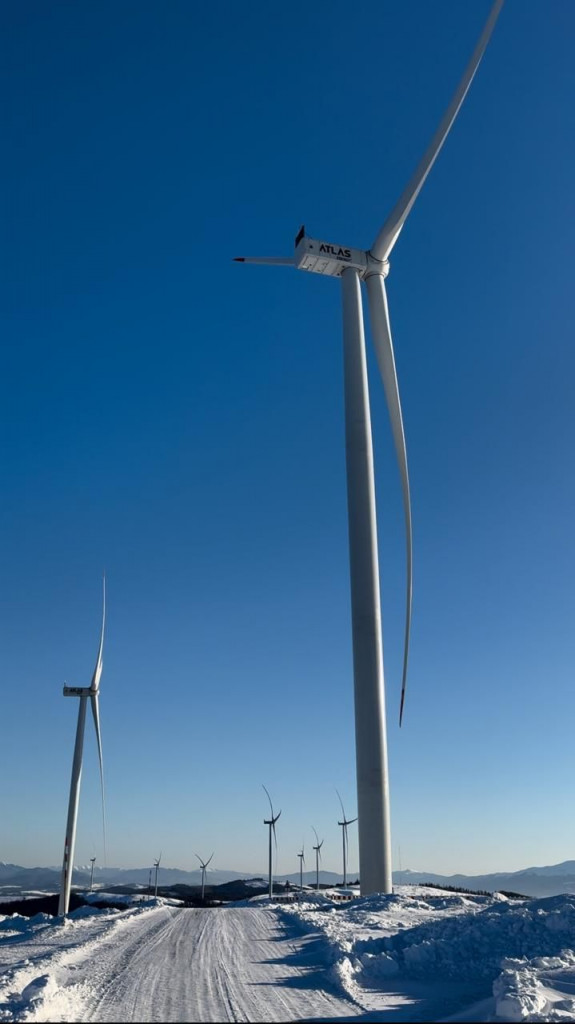
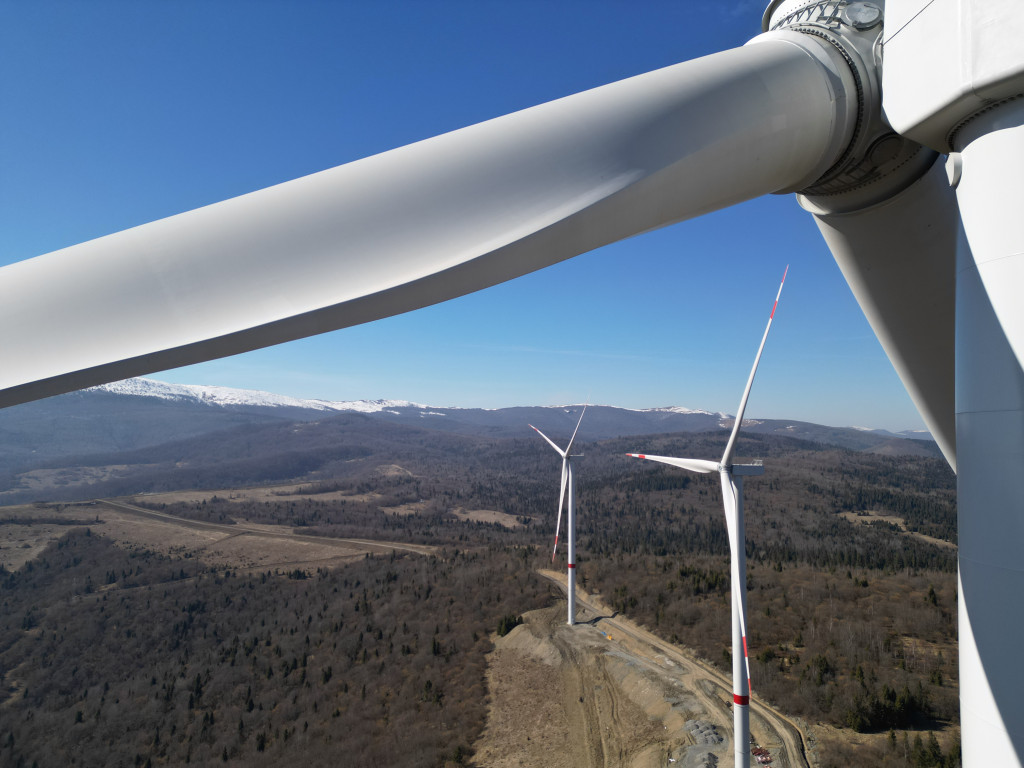
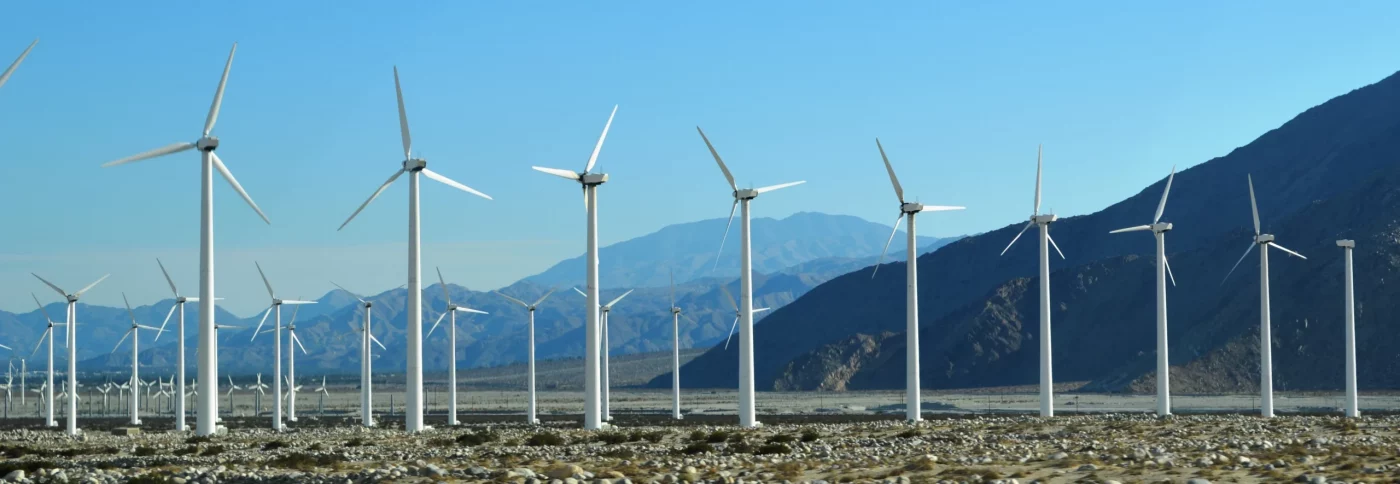
In the cold season, when solar output naturally drops, wind tends to be more active — exactly when demand is higher. This is the core logic of RES complementarity: solar and wind contribute in different seasons, partially “insuring” each other.
Point 3. The annual share may look moderate — but the hourly impact is outsized.
Even at ~10% averaged over a year, renewables can deliver a much higher share in specific hours. That is precisely why the RES question is never only “how many MW we build” — it is also about grids, forecasting, flexible capacity, and balancing tools.
2) Why “Solar Records” Are Good News — and a Technical Challenge at the Same Time
When solar covers 20–25% of demand in peak hours, the system faces two immediate tasks:
(1) Move that electricity through the network to where it is needed.
This depends on transmission/distribution capacity and bottlenecks at substations, lines, and regional nodes. In wartime, the issue is even sharper: attacks on substations and transformers are among the most critical risks to stable supply.
(2) Balance the system when solar output falls quickly (clouds/evening) while demand remains high.
This is a classic challenge for any country scaling PV: it requires flexibility — storage, demand response, fast reserves, and better forecasting.
This is not unique to Ukraine. Europe is seeing the same dynamic: solar hits new highs, and the value of storage and grid upgrades rises in parallel.
3) Wind as a “Winter Backbone” — and Why It Takes Longer to Build
The “let’s build more solar” idea is understandable: PV projects can be deployed faster, are often easier to execute, and scale well on rooftops and industrial sites. But for winter reliability, solar alone is not enough — and this is exactly what Kudrytskyi highlights.
At the same time, wind in Ukraine faces three structural constraints:
-
risk geography: historically, a large portion of wind capacity was concentrated in southern regions heavily affected by occupation and hostilities;
-
longer project cycle: land, permits, grid connection, logistics, and construction timelines tend to be longer than for PV;
-
grid constraints and interconnection: network limits often determine the real speed of launching new capacity — and wind projects feel this acutely due to connection scale.
4) What Follows From This: Five Practical Conclusions for Ukraine
1) RES seasonality must be built into energy security planning.
Solar is a daytime balancing asset in warm months; wind is a cold-season asset. The RES roadmap should not be “who installs MW faster,” but which generation profile reduces system risks month-by-month.
2) Flexibility is becoming as valuable as generation capacity.
If RES can reach 20–25% in certain hours, every additional percentage of variable generation raises balancing requirements. That makes BESS, demand-side management, forecasting, and fast reserves core infrastructure for the energy transition — not an optional add-on.
3) Grids are the main bottleneck.
Even perfect generation cannot help if electricity cannot pass through damaged or overloaded nodes. Under constant threats, substation modernization, redundancy, and resilient network design become national security issues.
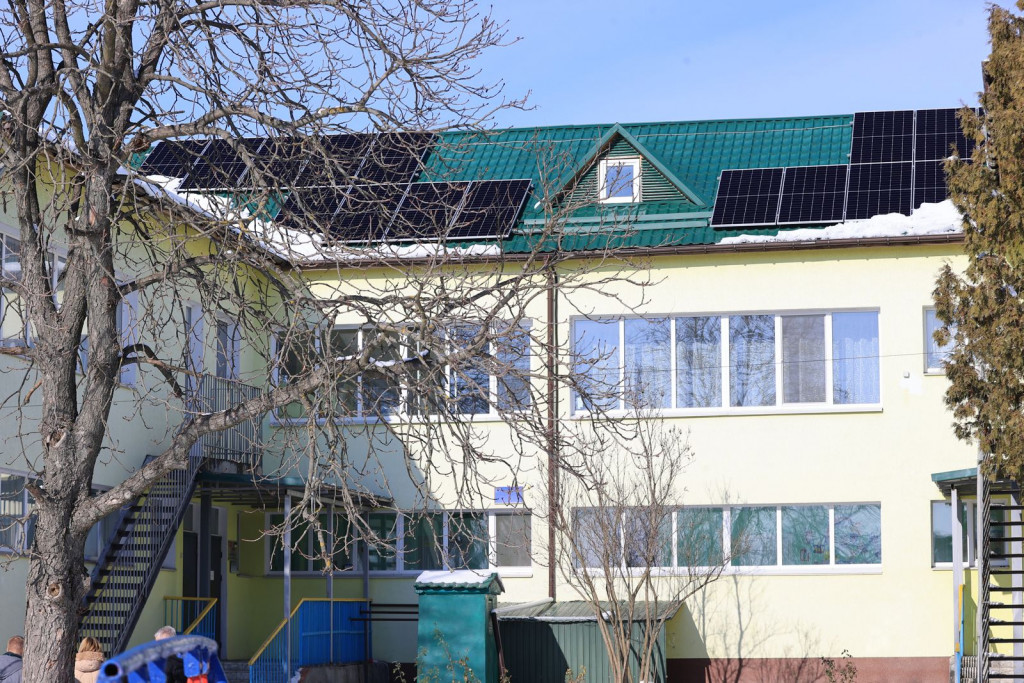
4) Decentralization + renewables + storage is the fastest path to resilience for communities and businesses.
For critical infrastructure (hospitals, water utilities, heat supply), combining PV/wind with storage and smart consumption management is not only about cost — it is about more reliable hours of autonomy.
5) Ukraine needs an investment “roadmap” that matches technical reality.
Markets move not only with engineering, but also with financial discipline and predictable rules. Sector-level issues (including debt and settlement stability) directly affect capital costs and the pace of new projects — especially for larger wind and grid investments.
Global 100% RE Ukraine: What We Emphasize in This Discussion
-
Renewables already support the system — the next step is moving from “generation as a goal” to flexibility + grids + resilience as the new standard.
-
Solar and wind must scale together, because they cover different seasonal gaps.
-
Storage and demand management are the tools that turn RES seasonality into an advantage rather than a risk.
Become a member of 100 RE UA
Switching to 100% renewable energy in Ukraine is possible!