
Sweden’s First ZOE Fast-Chargers Run on Solar and Batteries — No Grid Upgrade Needed
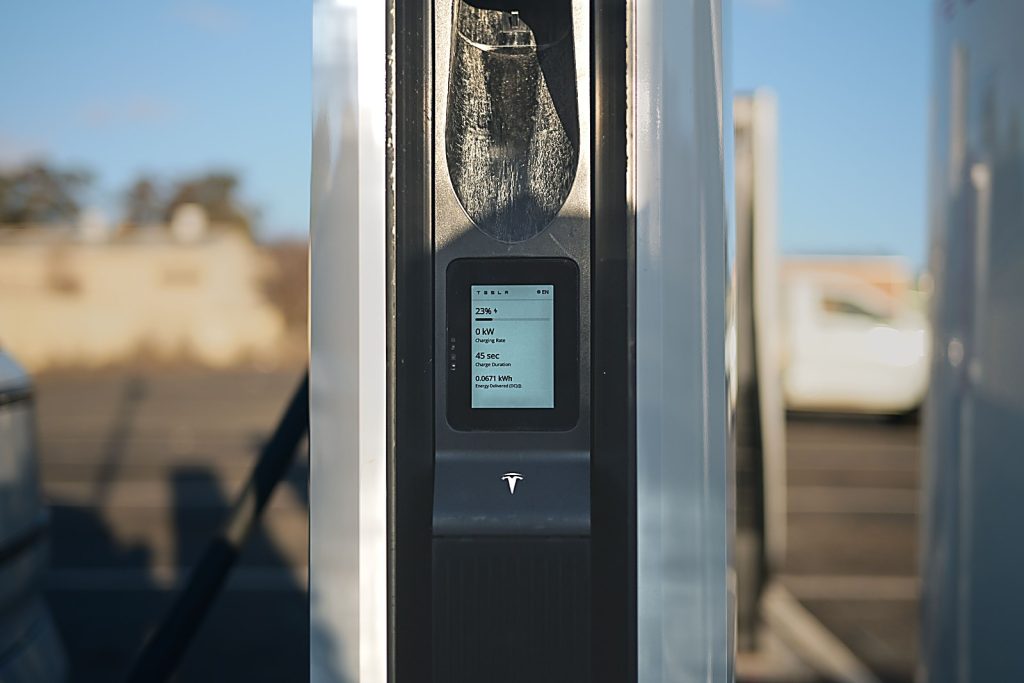
A hybrid charging hub on Sweden’s E22 motorway near Ronneby, in Kalmar municipality, has connected two 180 kW fast chargers to an existing 63-ampere grid feed — without any network upgrade. The facility marks the first installation of ZOE-series DC terminals in Sweden and demonstrates how battery storage can work around the capacity constraints that have long slowed fast-charging expansion beyond urban centres.
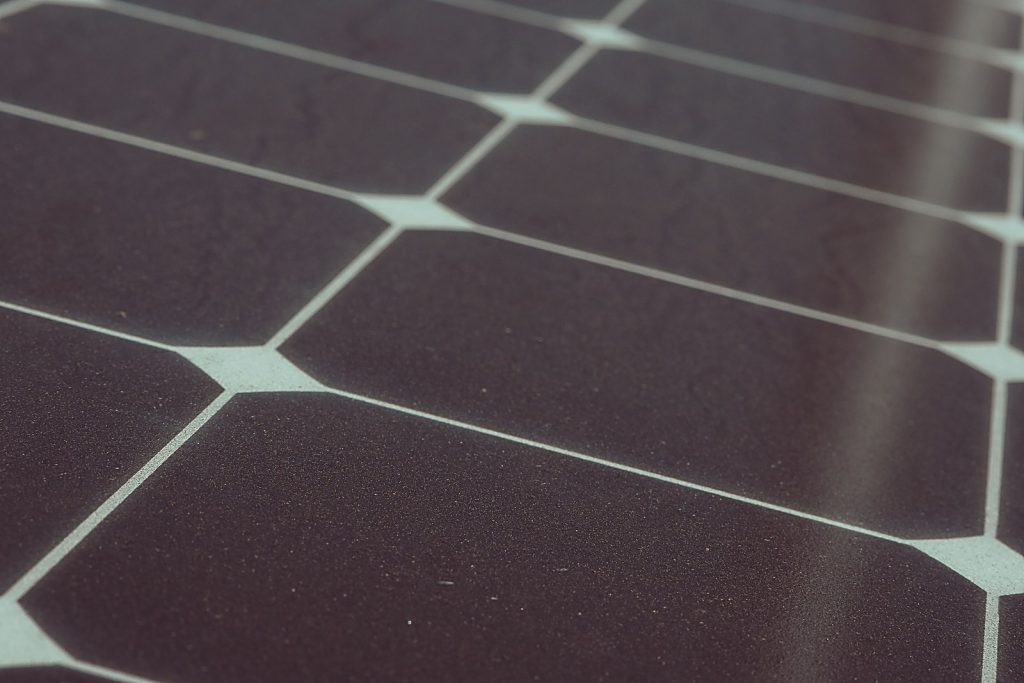
Each charger is paired with a dedicated 218 kWh battery unit. The batteries absorb energy from on-site solar panels and release it in high-power bursts during charging sessions, substantially reducing the grid-connection capacity the hub actually draws. Together the two units deliver a combined output of 360 kW — a level that would require far greater network capacity under a conventional direct-connection arrangement.
The site was developed by local restaurant and shop owner Badi Nabi as a new revenue stream. His initiative received 50% co-financing through Sweden’s Klimatklivet programme, administered by the Swedish Environmental Protection Agency as part of regional development support.
Company Emaldo handled the project from equipment configuration through commissioning and now describes the installation as a replicable blueprint for electrifying rural and remote areas. Representative Henry Stendalen argued that EV charging cannot be confined to large cities and that communities should not have to wait years for grid lines to be extended.
Historically, limited grid headroom and steep connection costs have been the main obstacles keeping high-power chargers off secondary roads. Emaldo’s assessment is that pairing local storage with renewable generation can substantially reduce the network capacity a site needs — potentially opening locations that grid economics would otherwise have made unviable.
Source: pv Europe
Become a member of 100 RE UA
Switching to 100% renewable energy in Ukraine is possible!