
Tesla Brings Home Backup Power to Model 3 and Model Y Through Built-In Hardware
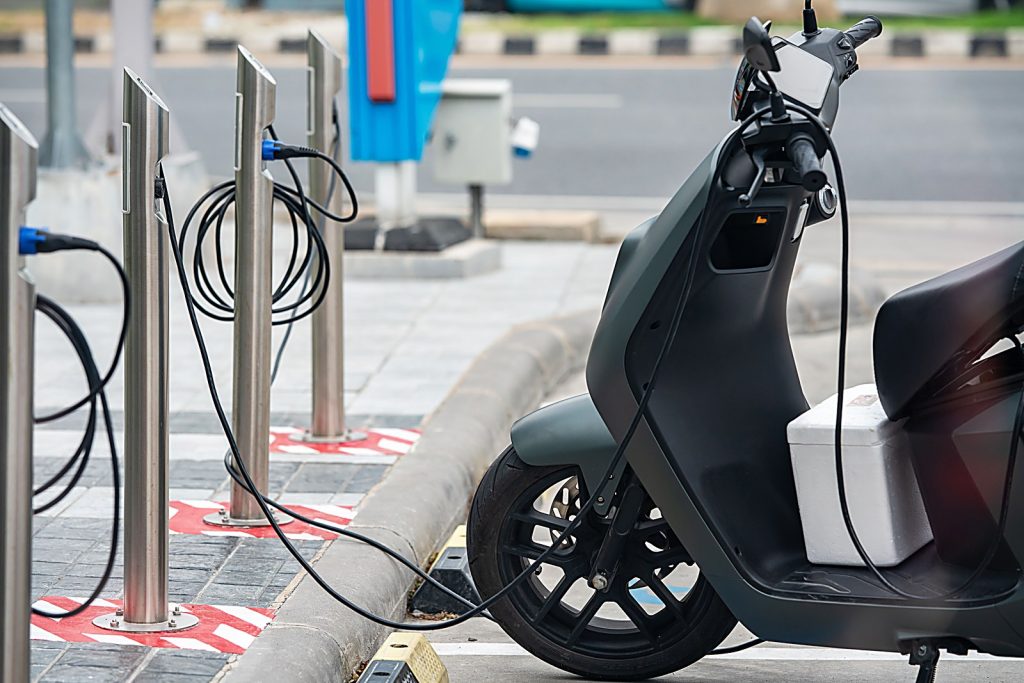
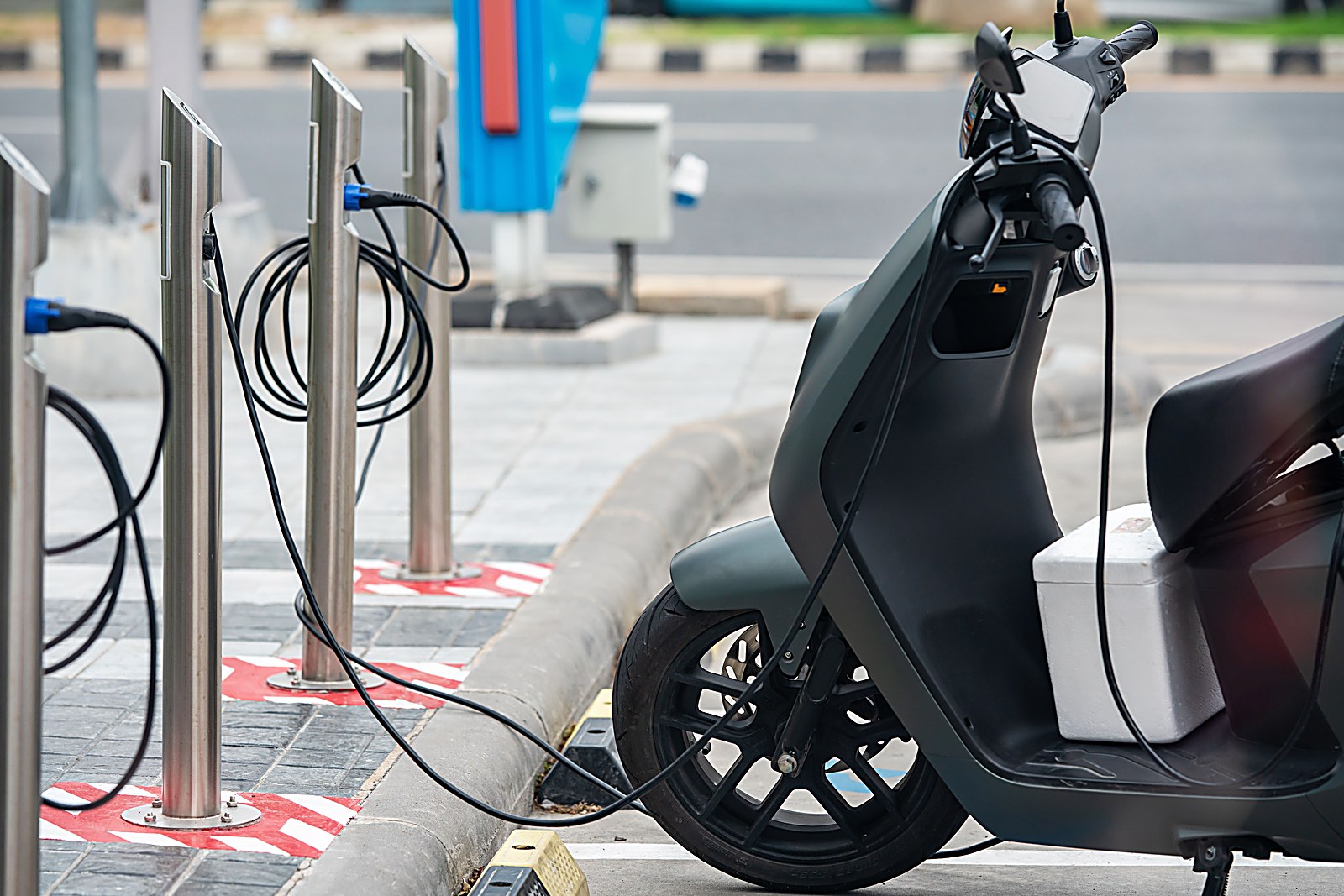
Tesla has added hardware-level vehicle-to-home (V2H) capability to its Model 3 and Model Y, expanding bidirectional charging beyond the Cybertruck where the technology first appeared. Both models can now route battery power to a house during grid outages through a converter embedded directly in the vehicle.
The architecture sets Tesla apart from most rivals in the American market. Other automakers typically require owners to purchase separate external DC bidirectional chargers to convert battery energy into AC power for home use — equipment that, including installation, often runs past ten thousand dollars before any home battery is factored in. Tesla’s approach uses the same converter already present for standard AC charging, simply operating it in reverse, which brought the cost down substantially.
The system does require a compatible ecosystem. Owners need a Powerwall 3, priced at roughly $8,200 before installation, plus a Tesla Wall Connector. For those who already have a Powerwall 3 in place, activating the bidirectional flow requires adding a Wall Connector at $595. Tesla estimates that a fully configured setup can sustain an average household for two to three days without any grid connection.
Major California utilities are currently testing how these vehicle-grid systems could be incorporated into broader infrastructure projects. For Model 3 and Model Y drivers, powering a home from the car’s battery is now a built-in capability rather than a fringe option.
Source: Canary Media
Become a member of 100 RE UA
Switching to 100% renewable energy in Ukraine is possible!