U.S. Grid Battery Incident Rate Has Fallen More Than 97% in a Decade, EPRI Finds
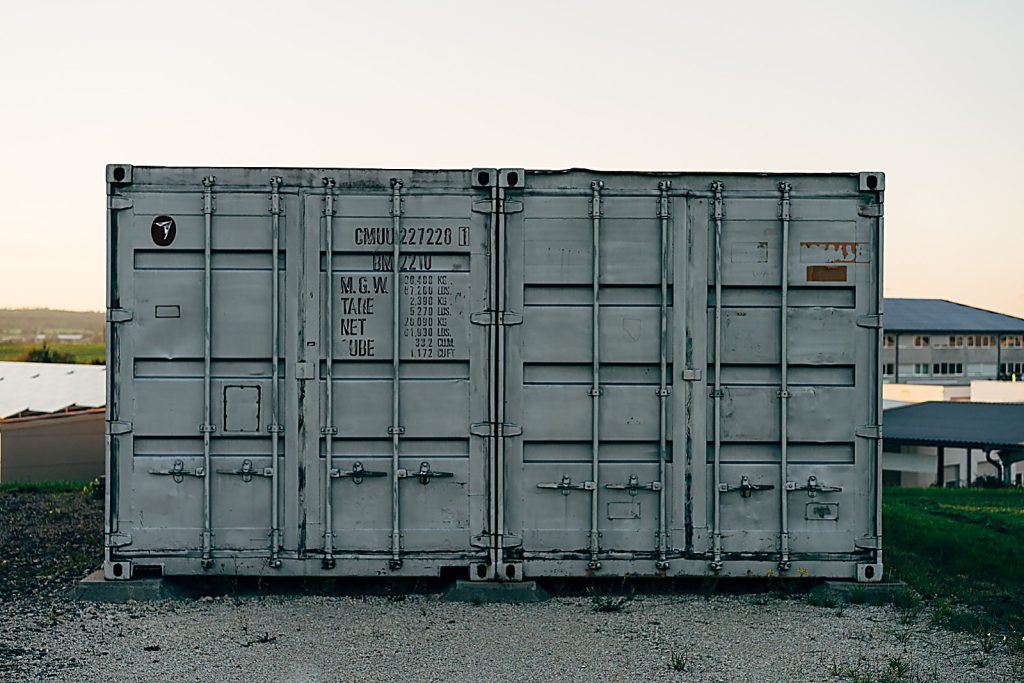
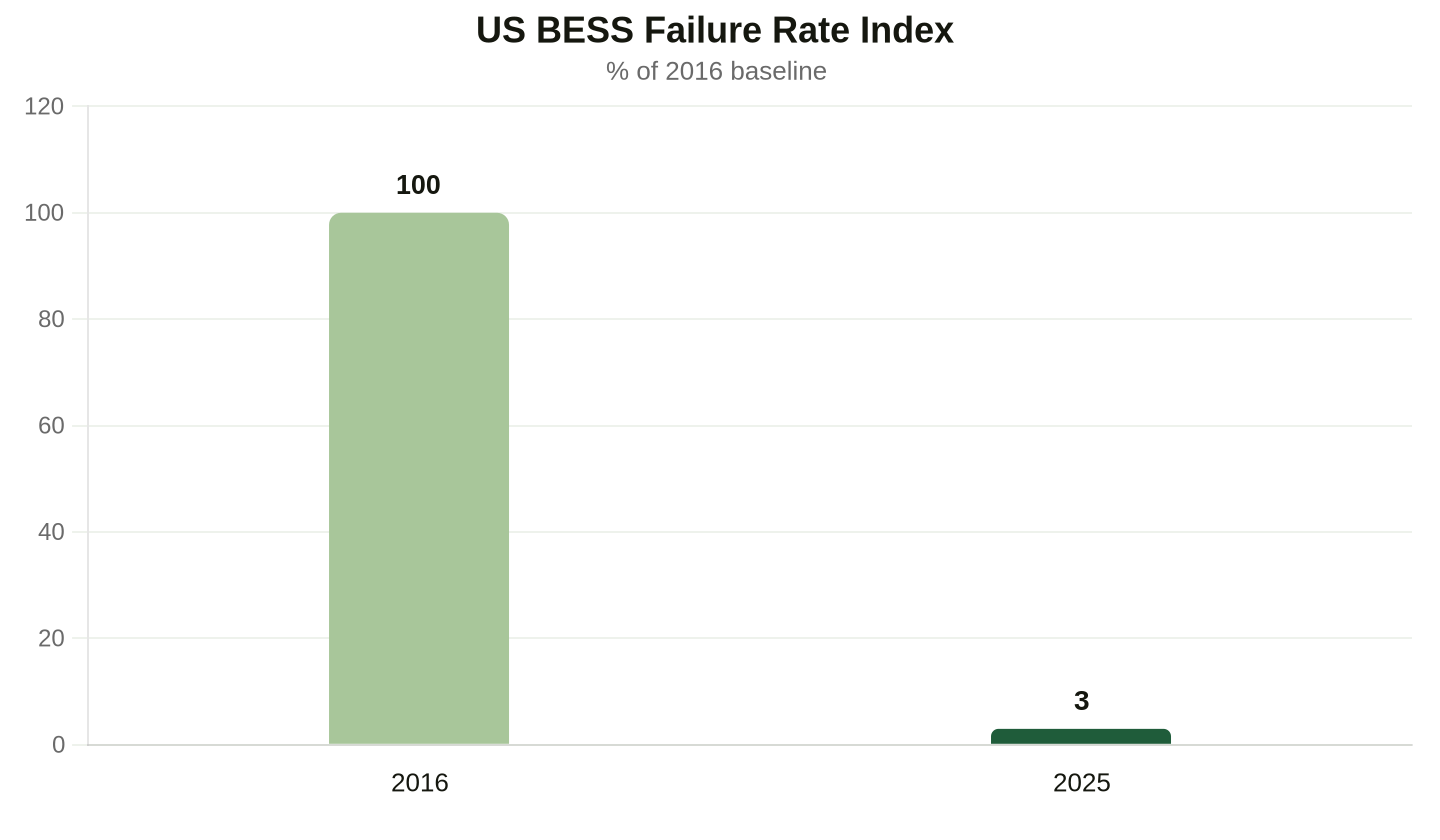
Large-scale battery storage in the United States has become far safer over the past ten years, with incident frequency dropping by more than 97% between 2016 and 2025 even as installed capacity grew 250-fold, according to an EPRI report reviewed by Canary Media.
Three of those ten years recorded zero incidents at all. The improvement is attributed to tightened safety standards, improved batteries, and better site design. By failure rate, grid-scale batteries are now roughly comparable to oil-filled transformers — equipment seen as safe and routine.
Over the entire decade, only one incident resulted in serious injuries: a 2019 event near Phoenix in which four emergency responders were hurt. A January 2025 accident at the Moss Landing facility drew significant public attention and triggered a multi-day evacuation, yet caused no reported casualties.
Lakshmi Srinivasan, the report’s author, observes that transformers are accepted as ordinary grid infrastructure, while batteries attract considerably closer public attention. She also cautions that the data sample remains small and limits the reliability of the analysis.
The findings give communities debating new battery installations a concrete reference point alongside the familiar arguments about tax revenues, grid reliability, and electricity costs.
Source: Canary Media
Become a member of 100 RE UA
Switching to 100% renewable energy in Ukraine is possible!