
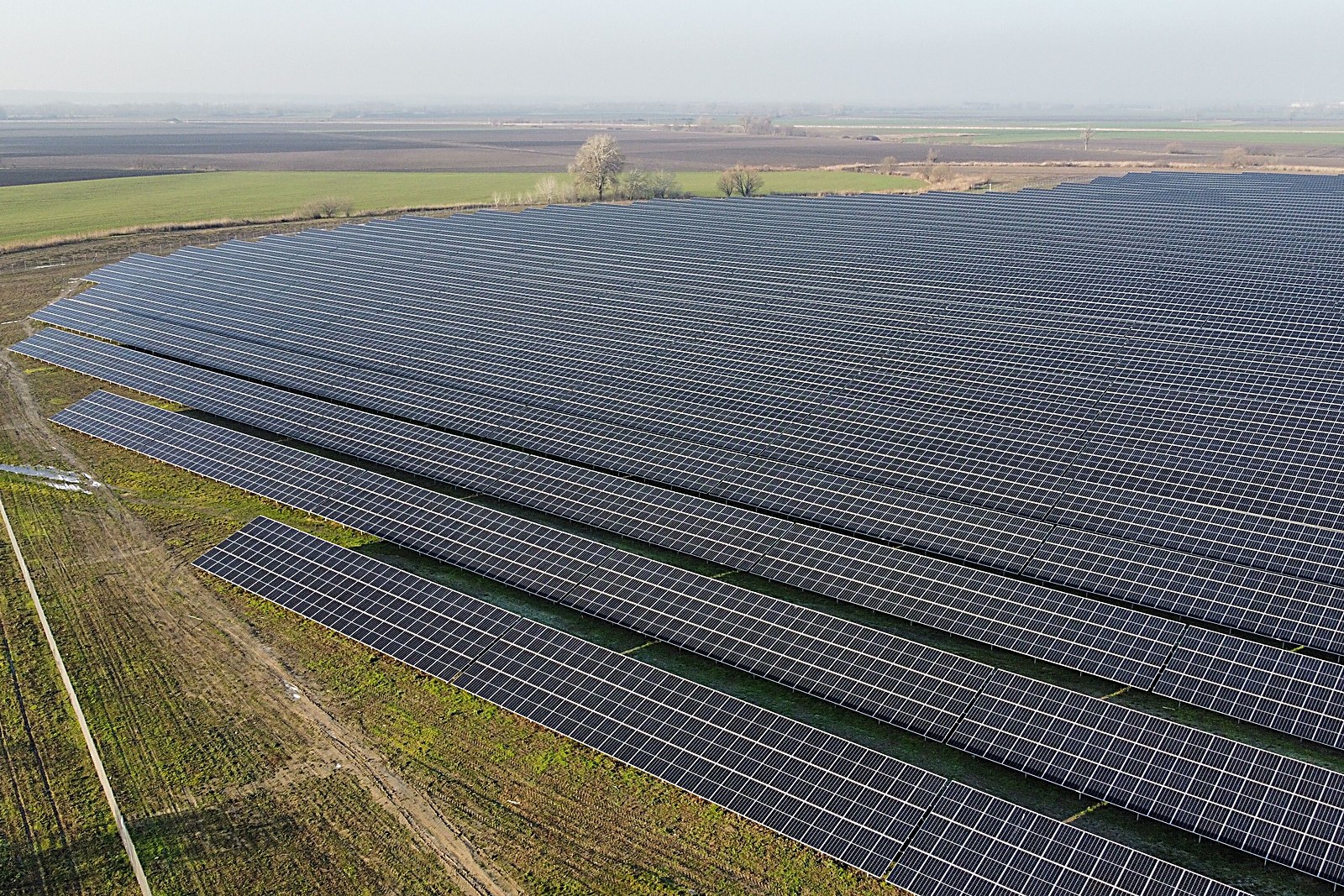
Solar Reaches 3 Terawatts as Grid Bottlenecks Replace Factory Constraints
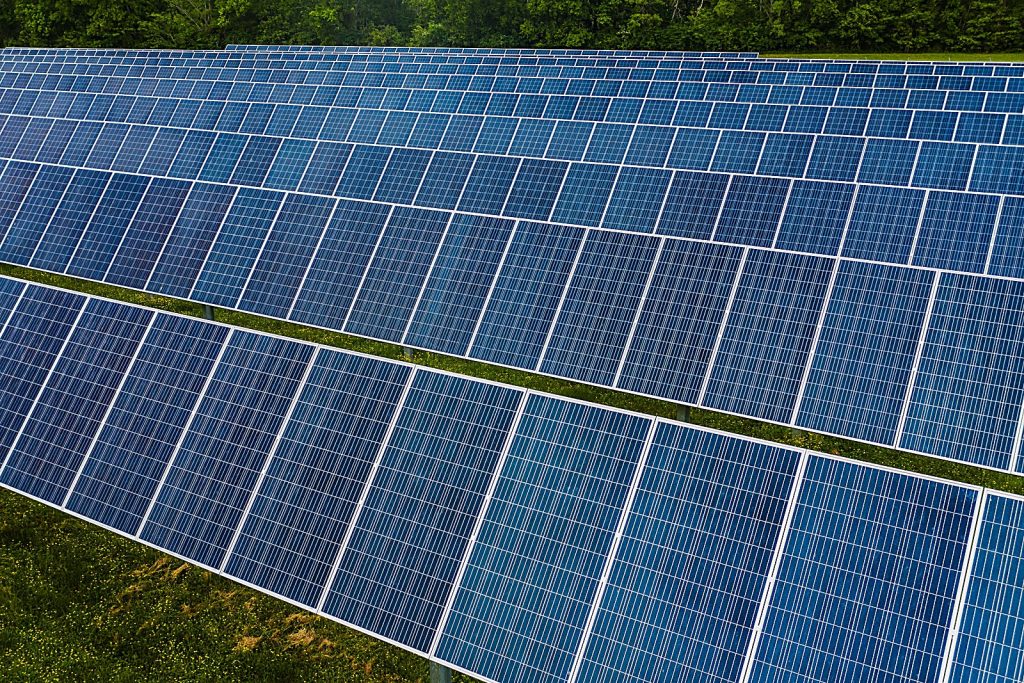
Global photovoltaic capacity has crossed the 3-terawatt mark, a milestone that illustrates how sharply the pace of solar deployment has accelerated. BloombergNEF analysis shows the industry needed roughly a decade to advance from 100 GW in 2012 to its first terawatt. The second followed in under three years; the third arrived less than two years after that.
The geography of growth has shifted considerably over that period. Early terawatt-scale deployment was driven largely by wealthy nations with government incentive programmes. China then became the dominant force, combining rapid installation with mass manufacturing to compress technology costs and support uptake across other continents. Pakistan, Nigeria and the Philippines recorded substantial gains—particularly in rooftop systems—while smaller markets such as Cuba and Lebanon have been expanding quickly. BloombergNEF data show that the number of countries whose solar sectors had surpassed the 1 GW mark climbed from 42 in 2020 to 74 by 2025.
Despite wider geographic spread, capacity remains concentrated in relatively few regions, with China the single largest driver. That balance is expected to shift: analysts project developing nations’ share of new installations will begin rising from 2026, reaching more than a quarter of total world capacity by 2036, while wealthier countries’ share falls to around 20 percent.
China’s build-out pace has already outrun its transmission and storage infrastructure, producing growing curtailment—periods when output must be forcibly disconnected at peak production. The country is expected to slow new installations and redirect focus toward grid expansion and renewable integration. Lithium-ion batteries, capable of absorbing surplus electricity during high-generation hours and releasing it after sunset, are emerging as the decisive variable for the next phase. Analysts say storage capacity will determine how effectively every additional terawatt of panels translates into electricity that can actually be used.
Source: PV Magazine
Become a member of 100 RE UA
Switching to 100% renewable energy in Ukraine is possible!