
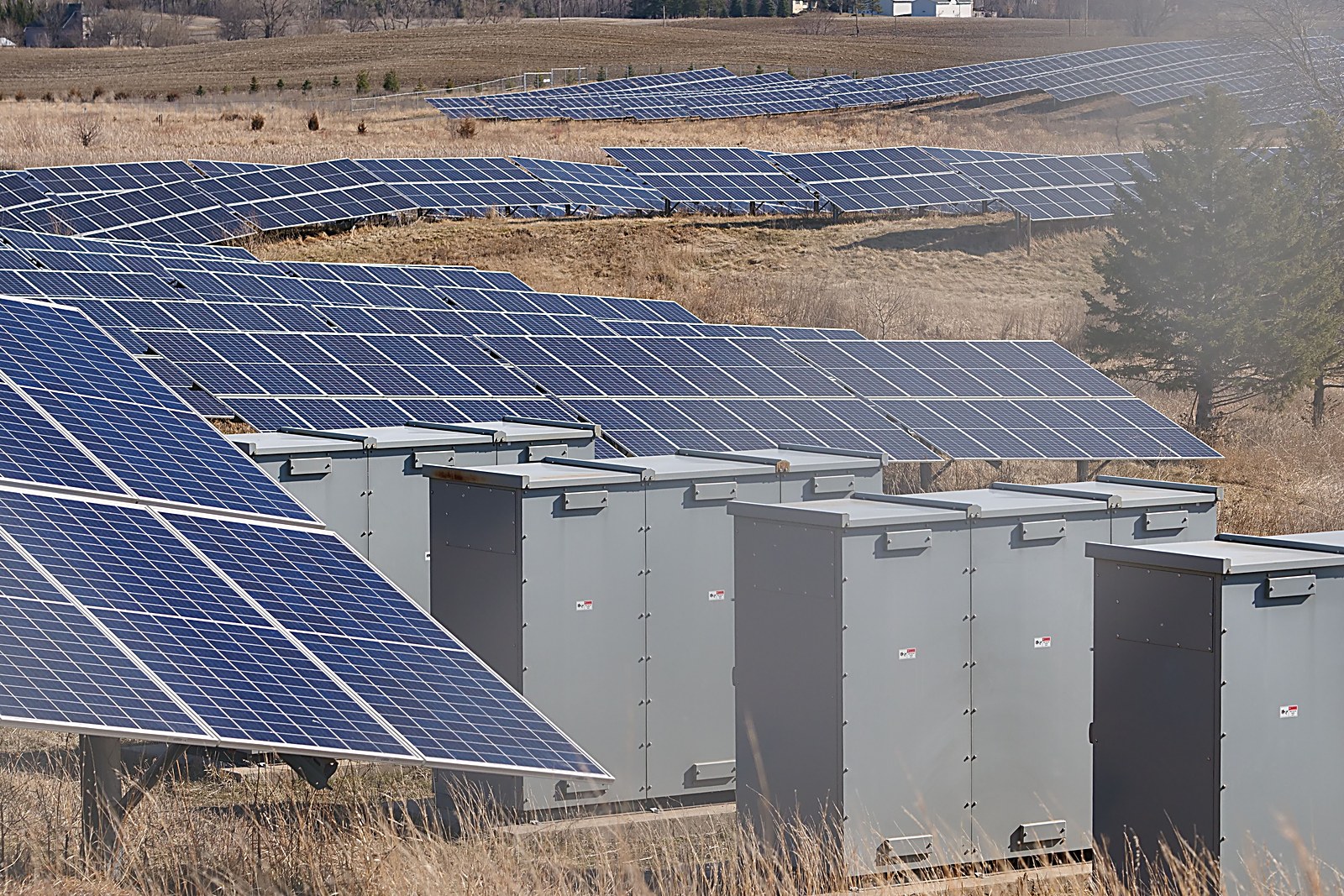
Battery Storage Reaches a Quarter of Evening Grid Demand in California and Bulgaria
Battery energy storage has crossed a significant threshold in two geographically distant electricity markets, supplying roughly a quarter of evening electricity demand and marking the technology’s transition from niche pilot to essential grid infrastructure.
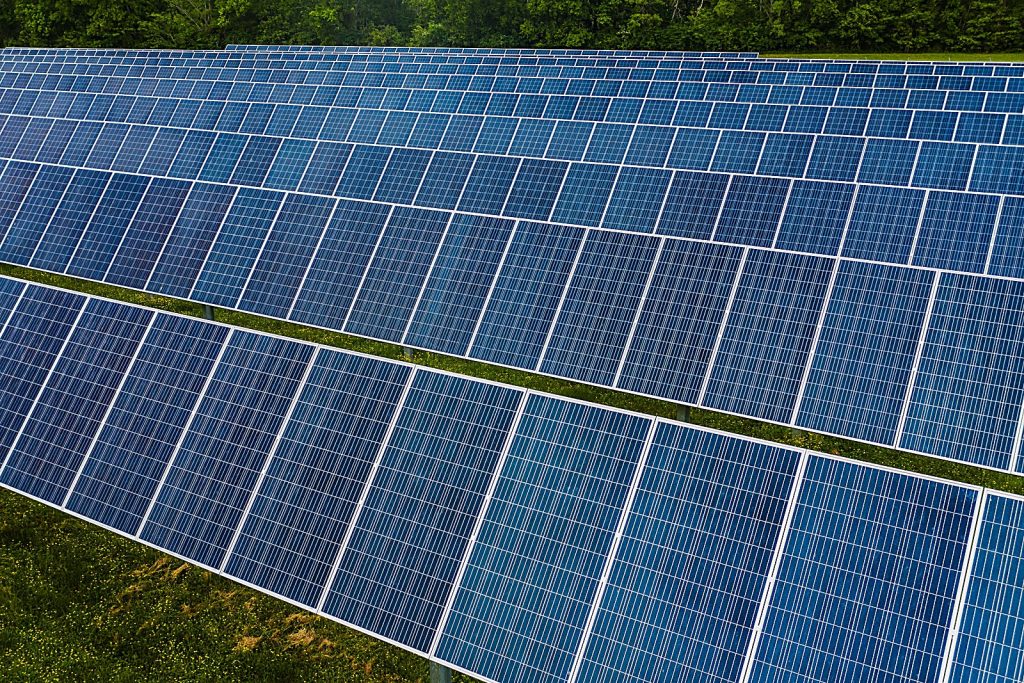
Analysis by the Ember think tank shows that in the first half of 2026, the combination of solar panels and storage met more than 25 percent of California’s electricity demand during the evening peak between 7 p.m. and 9 p.m. In Bulgaria, batteries supplied 24 percent of evening consumption over the same period. The progress is striking in historical context: as recently as the first half of 2023, solar played almost no role in the evening balance of either Bulgaria or Chile. By 2026, battery coverage during those hours had reached 24 percent and 10 percent in those two countries respectively.
Bulgaria’s rapid advance reflects deliberate policy. The country deployed 3 GWh of new storage capacity in 2025 through active government financial support, pushing total installed capacity above 8.6 GWh by May 2026.
The same solar boom driving these gains is also creating early strain in more mature systems, where negative prices and curtailment are becoming visible. Batteries help resolve that tension by absorbing surplus daytime generation and delivering it in the evening, allowing cheap solar power to gradually displace fossil fuels across more hours of the day.
Ember analysts caution that replicating these results more broadly requires the right market design. Batteries need full access to all electricity market segments to generate adequate revenue and sustain the economics of continued clean-energy expansion — a target that most European countries have yet to reach.
Source: Balkan Green Energy News
Become a member of 100 RE UA
Switching to 100% renewable energy in Ukraine is possible!