
Rate Reform, Not New Hardware, Could Unlock California’s V2G Storage Potential
California is projected to have nearly 10 million passenger electric vehicles on its roads by 2036, and a joint report from GridLab, Kevala, and E3 argues that even a small share of that fleet could reshape how the state meets its energy storage goals — without large-scale investment in new generation capacity.
The combined potential of those vehicles exceeds 110 gigawatts of capacity sitting behind customer meters. According to the report’s analysis, enrolling just one in ten of those EVs in vehicle-to-grid (V2G) programmes would be enough to cover roughly 30 percent of California’s total storage target.
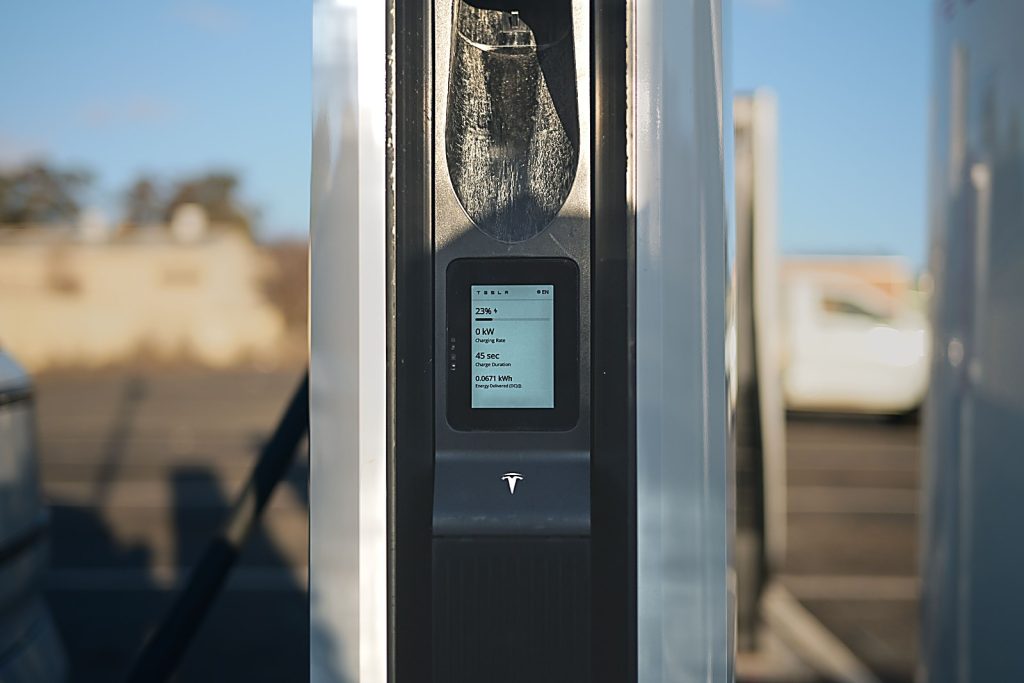
The main obstacle, the authors conclude, is not the technology. Bidirectional charging hardware and smart meters are already in the field. What is absent is a pricing framework that gives vehicle owners a genuine financial incentive to share electricity with the grid. The report treats the number of jurisdictions that successfully introduce working V2G tariffs as the true measure of whether this potential is realised.
To move forward, the report identifies three enabling conditions:
- Standardised pathways with performance verification for distributed resources
- Payments tied exclusively to monetised avoided costs for the grid
- Parallel reform of retail electricity rates
Previous efforts to mobilise customer-side capacity have often fallen short because participants were held to rules designed for large wholesale generators. The report’s proposed model redirects the focus toward compensation for the actual service delivered, reducing financial pressure on consumers and integrating EVs into the everyday operation of the power system.
Source: PV Magazine USA
Become a member of 100 RE UA
Switching to 100% renewable energy in Ukraine is possible!