Grid Planning, Not Hardware, Now Holds Back HVDC Expansion
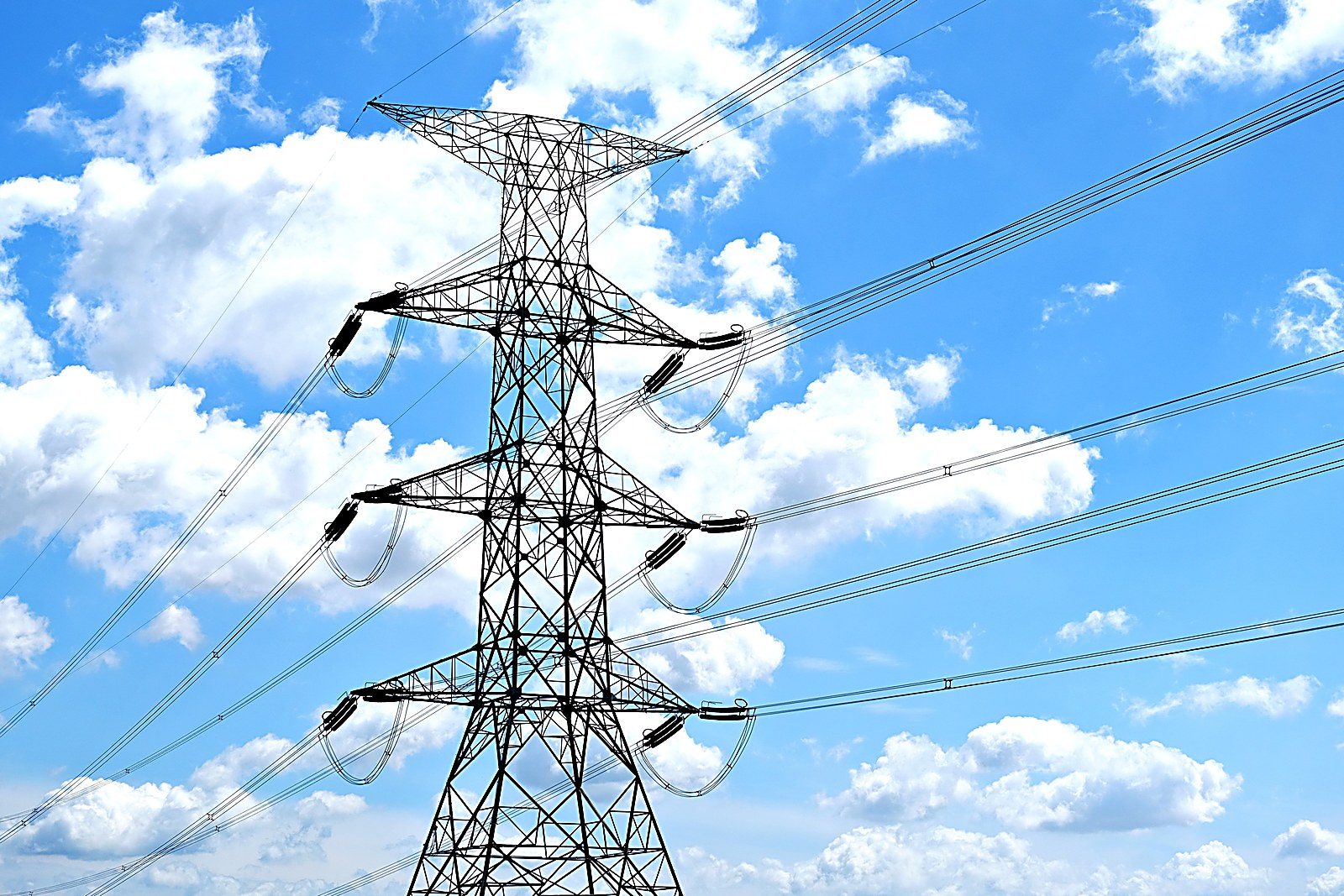
High-voltage direct current transmission has crossed a threshold. Once a specialist tool reserved for submarine links and intricate grid challenges, HVDC has become a standard option for designing major transmission corridors — and that shift has exposed a new set of obstacles.
Equipment manufacturers have largely kept pace. Europe has coalesced around a standardized 2 GW, 525 kV configuration, while 3 GW projects are gaining traction in the United States and India. Cornelis Plet, technical director for grid systems integration at GE Vernova, told CleanTechnica that this standardization is rewriting how lines are designed: factories, cable suppliers, and developers now plan around a common product family rather than treating each segment as a bespoke engineering problem. Converter production capacity is expanding to match demand.
The bottleneck has moved elsewhere. As Europe advances toward multi-terminal HVDC networks, equipment from different vendors must interoperate — and no unified global standard yet governs how those control systems should behave. Requirements differ by region, so utilities repeatedly spend time integrating disparate systems on each new project. With conventional generators being retired, converters are also expected to provide grid-stability services, adding further complexity to an already fragmented regulatory picture.
Route planning adds another layer. Long-distance DC lines inherently cross multiple jurisdictions, and while Europe has built institutions for multinational grid coordination, North America’s mechanisms for interregional planning and cost-sharing remain considerably weaker.
Workforce is also a constraint. Standardization reduces per-project engineering hours, but operating inverter-based networks demands specialists with deep expertise in protection and high-voltage component interaction — a pool the industry has not yet built up. Hardware is no longer the weak link; the market’s next stage is adapting technical rules, team qualifications, and institutional frameworks to match the technology they now govern.
Source: CleanTechnica
Become a member of 100 RE UA
Switching to 100% renewable energy in Ukraine is possible!