
California Home Batteries Hit Record 580 MW in Single Dispatch, Matching Gas Peaker Scale
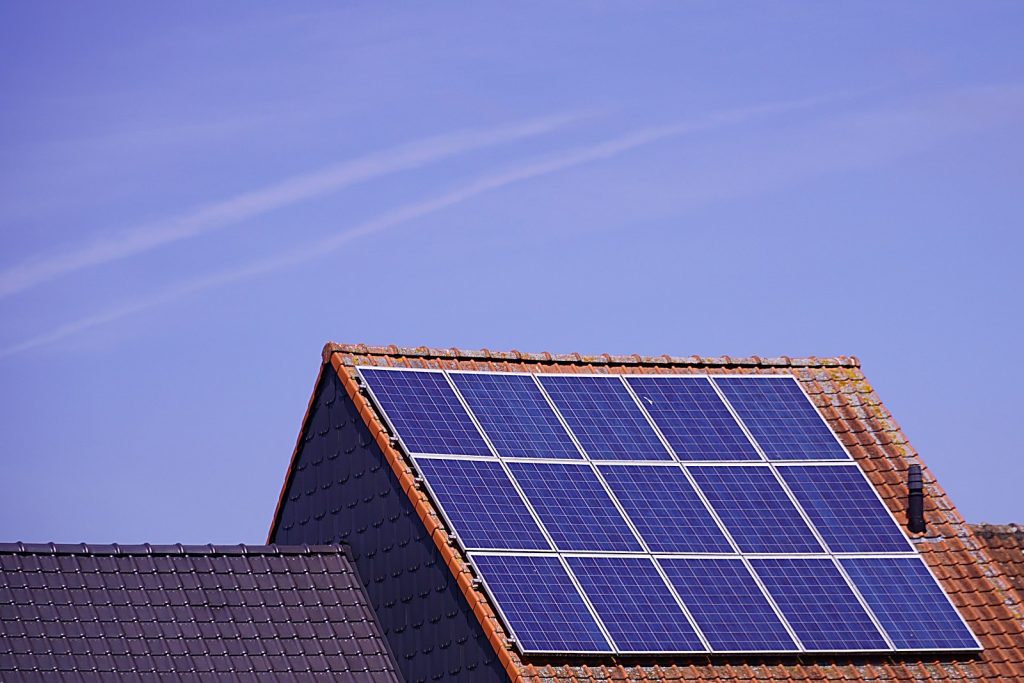
On the evening of September 9, during an intense heat event, a coordinated network of residential battery systems delivered 580 megawatts simultaneously to California’s grid — a record output that exceeds what any typical gas peaker plant can produce. Those plants generally generate between 50 and 250 MW.
The three-hour dispatch was organized by Sunrun and Tesla, which synchronized more than 140,000 home battery installations across the state. Tesla Powerwall units contributed the bulk of the capacity at 517 MW, with devices from other manufacturers accounting for the remaining 63 MW. The combined output would have been enough to supply every household in Sacramento County for the full duration of the event.
The batteries participated under two existing California grid programs. One triggered automatically whenever day-ahead electricity prices crossed $200 per megawatt-hour; the other allowed utilities to call on the batteries directly when air-conditioning-driven demand spiked. Homeowners receive financial compensation for the energy they export under both programs.
Electrek’s author argues the approach demonstrates that tapping distributed residential equipment can serve as an alternative to keeping gas peaker plants running — infrastructure that sits idle for much of the year and is expensive to operate. The September event is presented as evidence that virtual power plant technology has moved well beyond the pilot stage.
Open questions remain, however. How far this model can expand before it erodes the economics of gas peakers is unclear, and broader rollout will depend on compatible pricing signals and grid programs that most U.S. states have yet to put in place.
Source: Electrek
Become a member of 100 RE UA
Switching to 100% renewable energy in Ukraine is possible!