
DOE Bets $99 Million on Geothermal’s Untapped Potential
At a time when many US climate programmes are absorbing budget cuts, geothermal energy has bucked the trend. The Department of Energy has announced a $99 million funding round for next-generation geothermal systems — a bet the administration frames as investing in reliable baseload power that could eventually stand without recurring subsidy cycles.
The funding is distributed across 21 projects. Sixteen will focus on mapping and evaluating subsurface resources that have gone largely unassessed, while five are structured as large-scale field trials designed to test whether new technologies can prove commercially viable outside laboratory conditions.
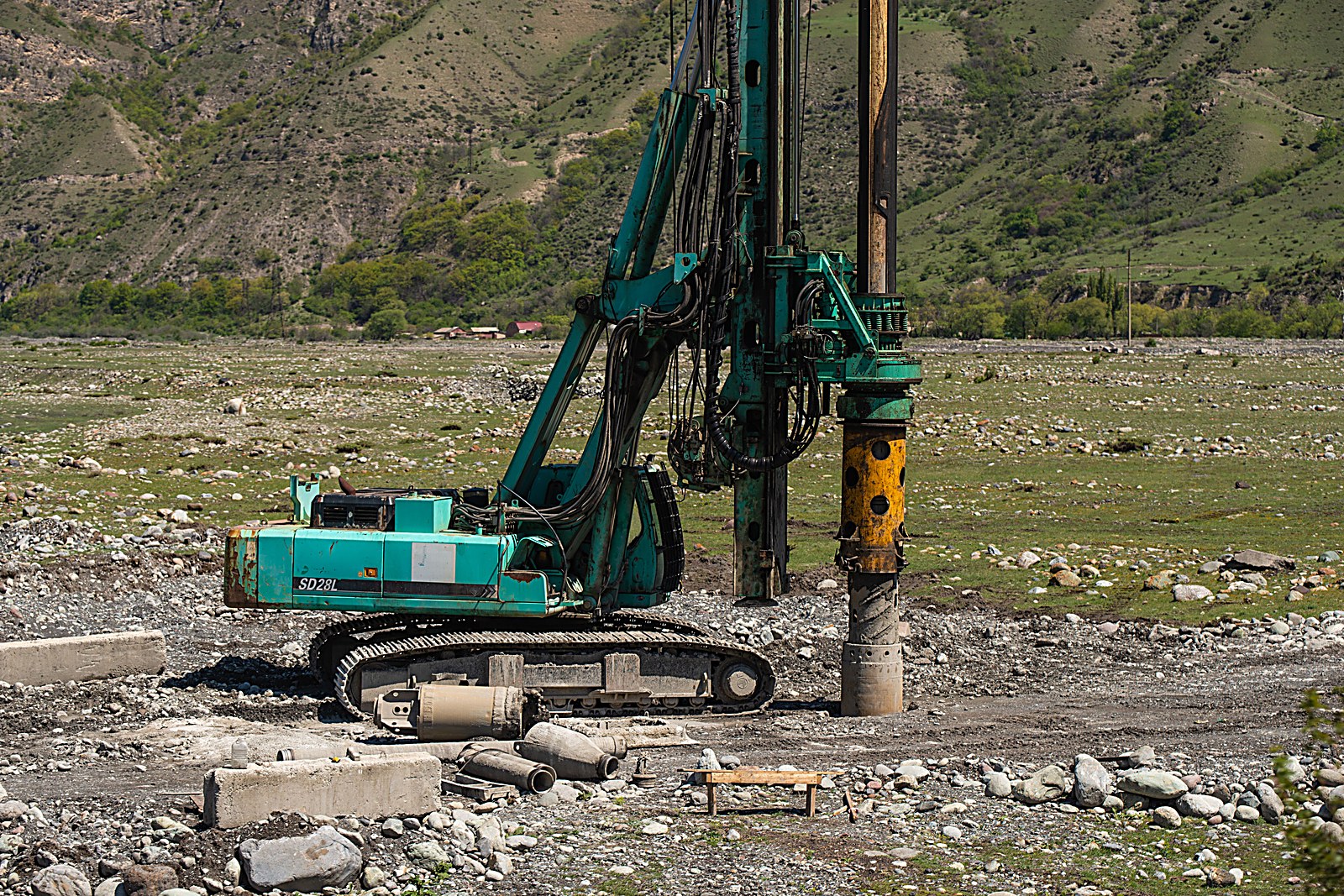
The central technology of interest is Enhanced Geothermal Systems (EGS), which breaks with the traditional model of siting plants near natural hydrothermal features. EGS relies instead on drilling deep enough to reach hot rock formations present beneath virtually any region, a shift that could extend geothermal capacity well beyond its current geographic limits.
Quaise Energy, which received a substantial portion of the grant, is developing an ultra-deep drilling process aimed at accessing superhot rock at depths not previously attempted at commercial scale.
All data generated by funded projects will be published through a dedicated DOE repository, with officials anticipating that open access will lower the technological risk facing private developers.
Geothermal currently represents about 1% of the US energy mix. Should EGS field trials succeed, the DOE sees the technology as a serious candidate to meet growing power demand from new data centres — a load category where steady, dispatchable output matters.
Source: CleanTechnica
Become a member of 100 RE UA
Switching to 100% renewable energy in Ukraine is possible!