Electrification Is Accelerating but Climate Targets Remain Out of Reach, IEA Warns
Geopolitical pressure around the Strait of Hormuz is accelerating the global shift to electricity, yet the pace of electrification still falls short of climate goals. The IEA’s World Energy Outlook 2026 finds that energy security motives are driving the transition but cannot alone deliver the emissions cuts required.
WRI Polsky Center analysts draw four findings from the report. First, current government commitments would put electricity at only 29% of final energy consumption by 2035, against the 35% target set for COP31. The technical gap is bridgeable: nearly half of road transport’s fossil demand and more than a third of low- and medium-temperature industrial heat could already be electrified at competitive cost today — Germany’s reduction of electricity taxes for producers is cited as one replicable model.
Second, cooling rather than data centres is the bigger driver of new power demand. Electricity consumption for cooling will grow roughly 70% more than demand from data centres and AI combined by 2035. Building cooling now consumes more energy than heating for the first time in history, and cooling can account for up to 30% of peak grid load — with demand rising fastest in developing economies, not the wealthier nations where data centres concentrate.
Third, fossil fuel infrastructure faces stranded-asset risk. LNG terminals under construction represent around 400 billion cubic metres of annual export capacity, yet analysts project a surplus of 70 billion cubic metres by 2035. Oil demand is set to plateau by 2030, and coal combustion is forecast to drop 14% between 2025 and 2035, driven mainly by reductions in coal-fired power generation — with China representing the largest share of those cuts — while industrial coal use falls only 5%.
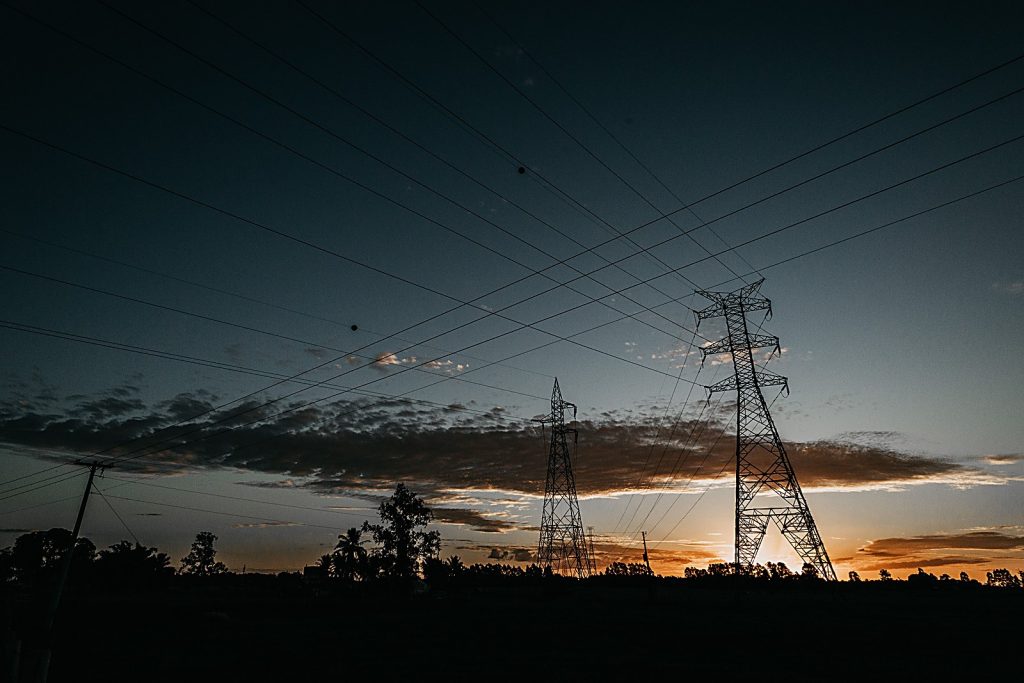
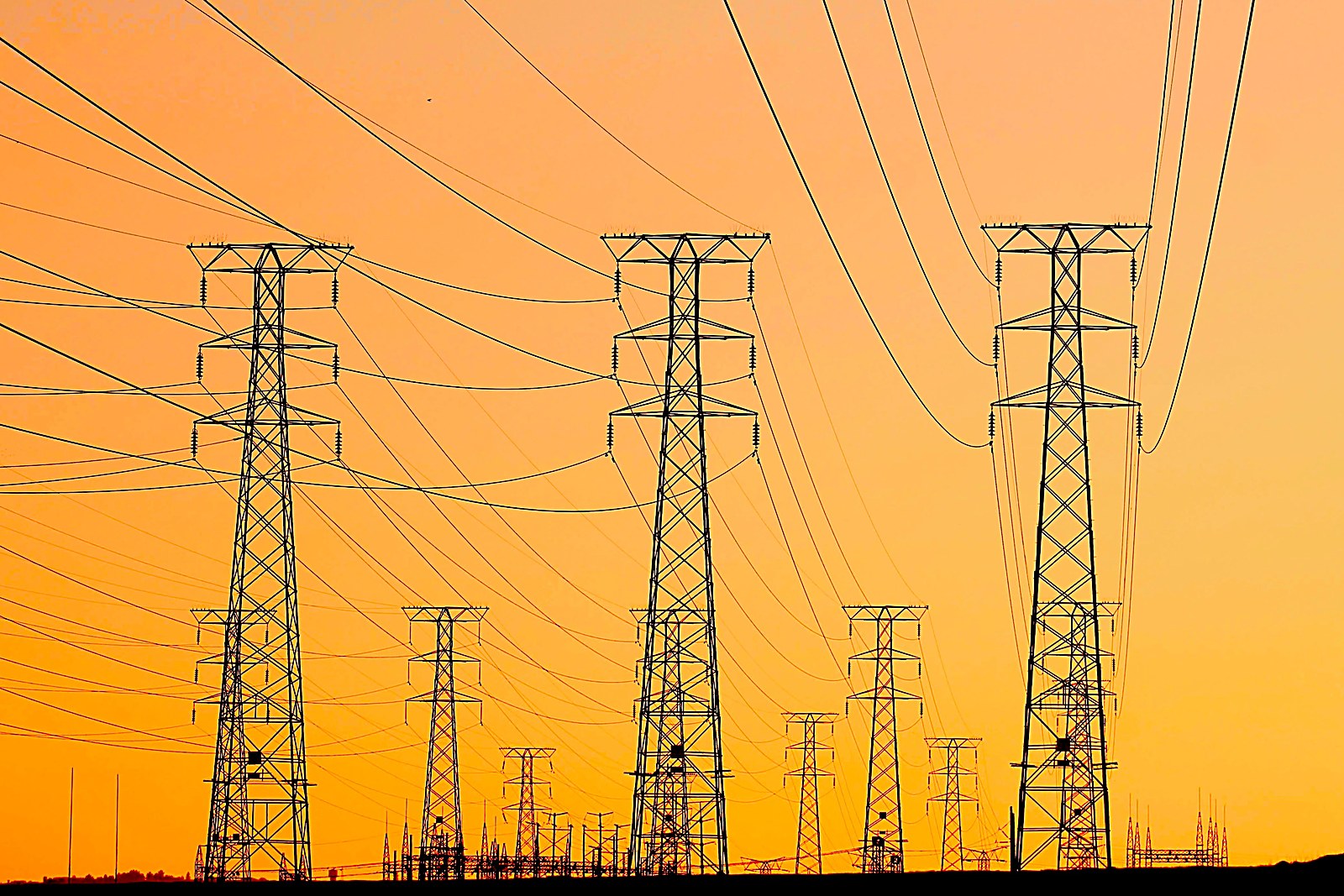
Finally, grids remain the binding constraint: 25 million kilometres of new lines are needed alongside upgrades to 15 million more. Brazil already pays large consumers to reduce load during peak hours as one demand-flexibility measure.
Source: CleanTechnica
Become a member of 100 RE UA
Switching to 100% renewable energy in Ukraine is possible!