
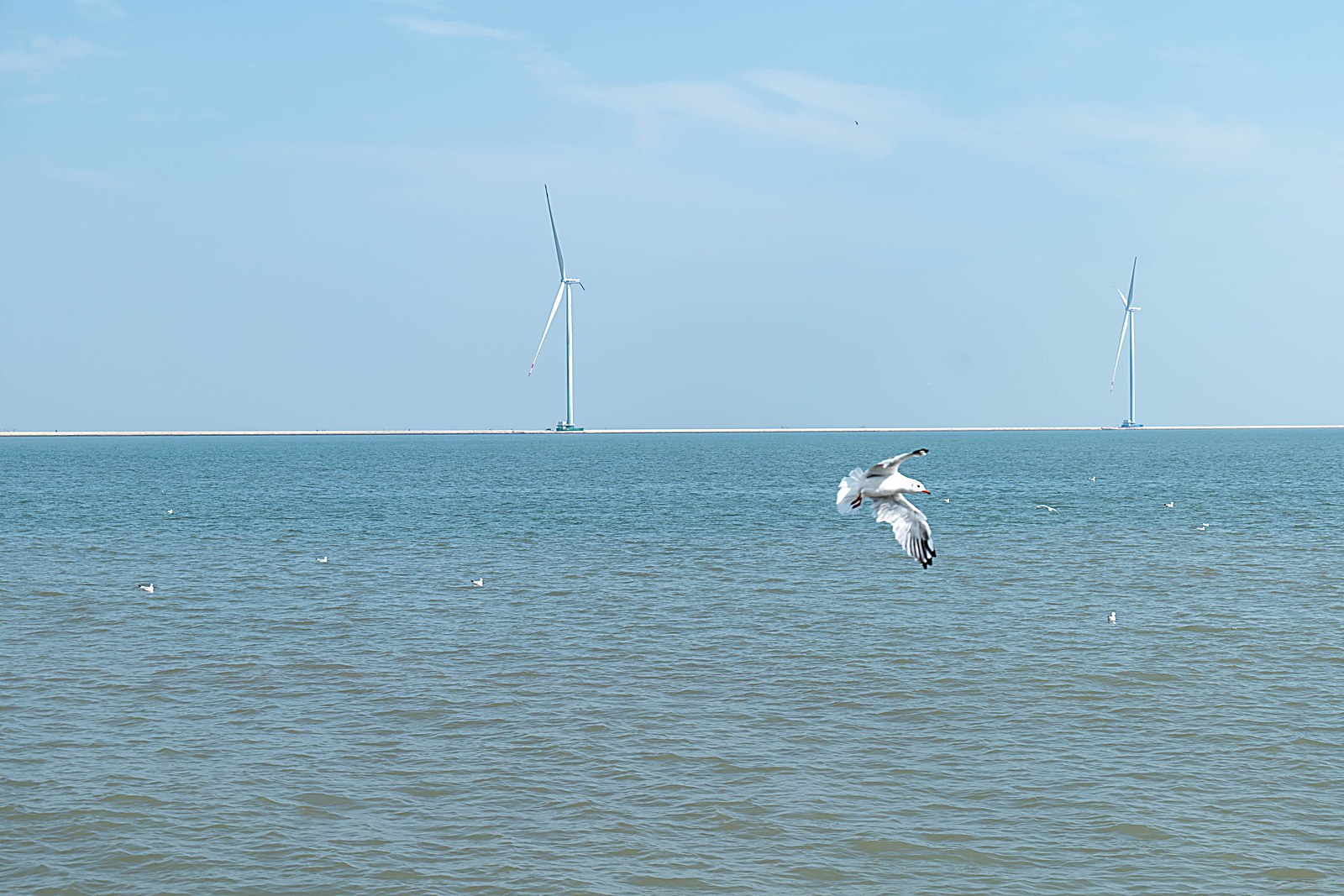
Europe Sits on 1,700 GW of Stalled Renewables as Hybrid Plants Await Regulatory Clarity
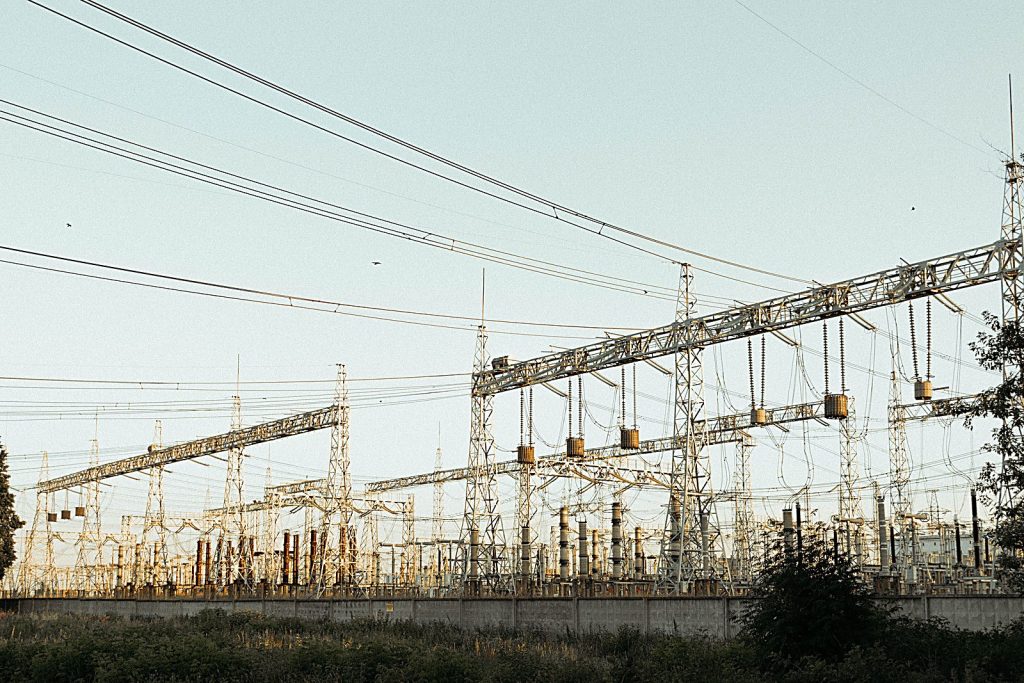
Roughly 1,700 gigawatts of renewable energy projects are waiting for grid connection slots across sixteen EU member states and the United Kingdom — a backlog that exceeds Germany’s entire installed generating capacity more than sixfold. The figure captures a fundamental shift in European clean energy policy: after a quarter-century of building new capacity, the central challenge has become integrating what already exists.
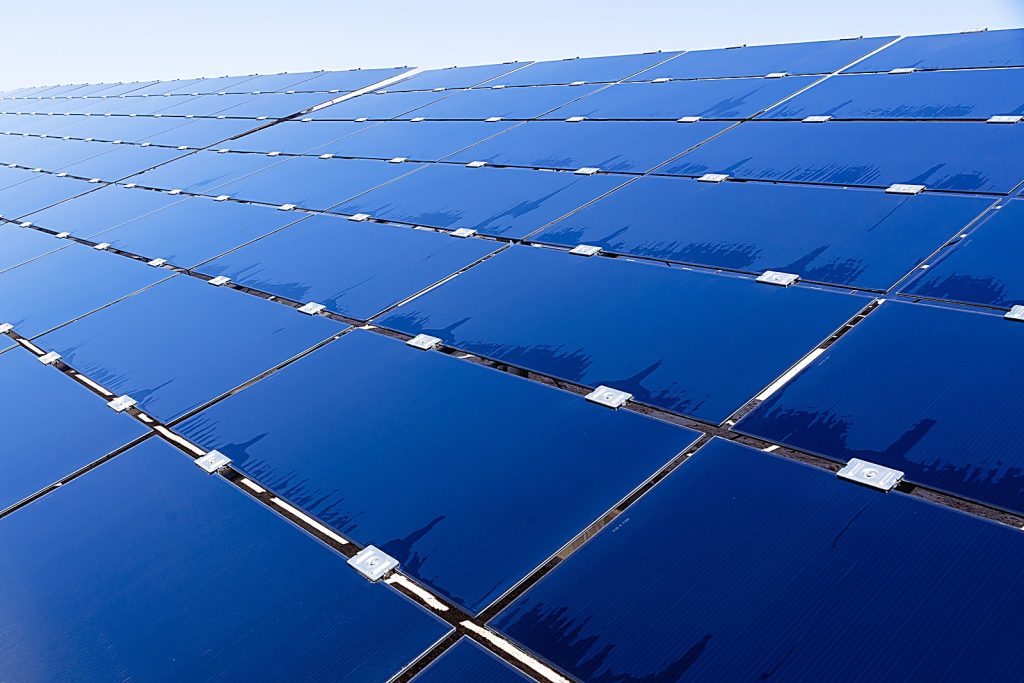
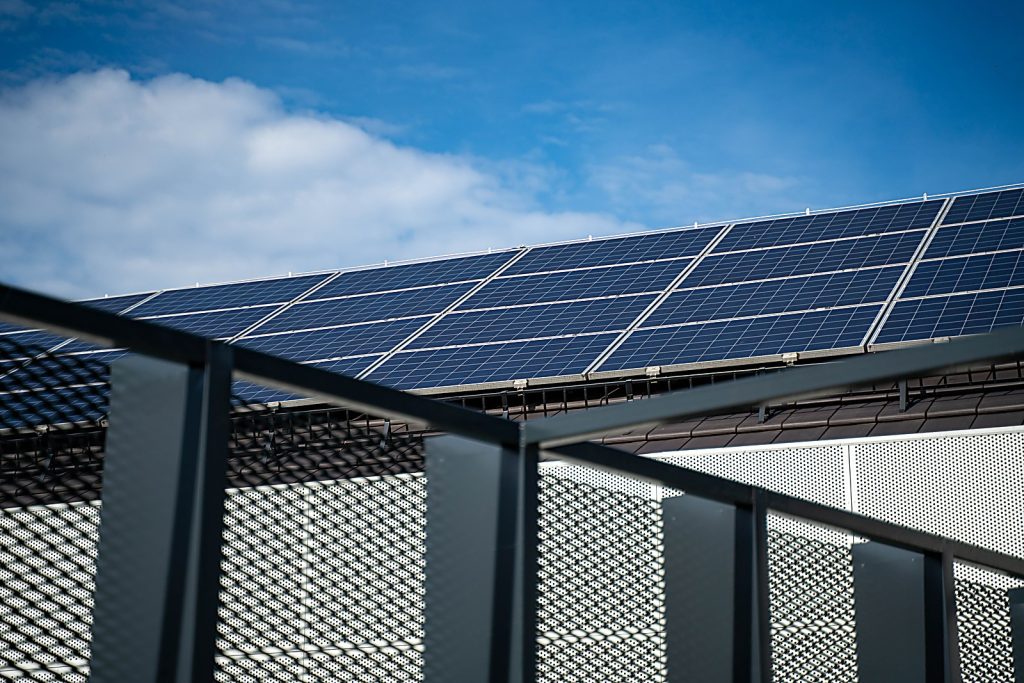
Co-locating wind turbines and solar panels on a single grid connection point is one of the most practical tools available to ease that pressure. The seasonal and daily profiles of the two technologies are largely complementary — solar peaks during daylight hours in summer, wind at night and through winter — meaning a shared connection can carry more energy with very little wasted output. Even when a link is loaded to 150 percent of its rated capacity, curtailment losses amount to roughly one percent. German developer BayWa r.e. applied this logic directly by adding 22 MW of solar to an existing 24 MW wind farm; solar curtailment came in below two percent.
Spain has moved furthest toward enabling such projects. Since 2020, operators can modify an existing permit under a streamlined process that cuts both processing time and financial guarantees in half. Its grid operator REE nonetheless reports that 99 percent of the country’s 200 GW of available connection capacity is already occupied, underscoring how acute the constraint has become.
In most other markets, hybrid projects still face a fragmented regulatory landscape. New assets at an occupied connection point typically join the back of the general queue, wind and solar components often require separate permits, and shared connections in some countries require consent from a third-party operator. Joint-liability requirements across project partners further complicate financing. Market incentives are aligning, though: solar price-capture rates across Europe have fallen, and pairing generation with storage can lift capture rates by around 30 percent compared with a standalone solar plant.
Source: pv Europe
Become a member of 100 RE UA
Switching to 100% renewable energy in Ukraine is possible!