
Europe’s 1,700 GW Grid Queue Could Shrink — If Hybrid Sites Were Allowed to Skip It
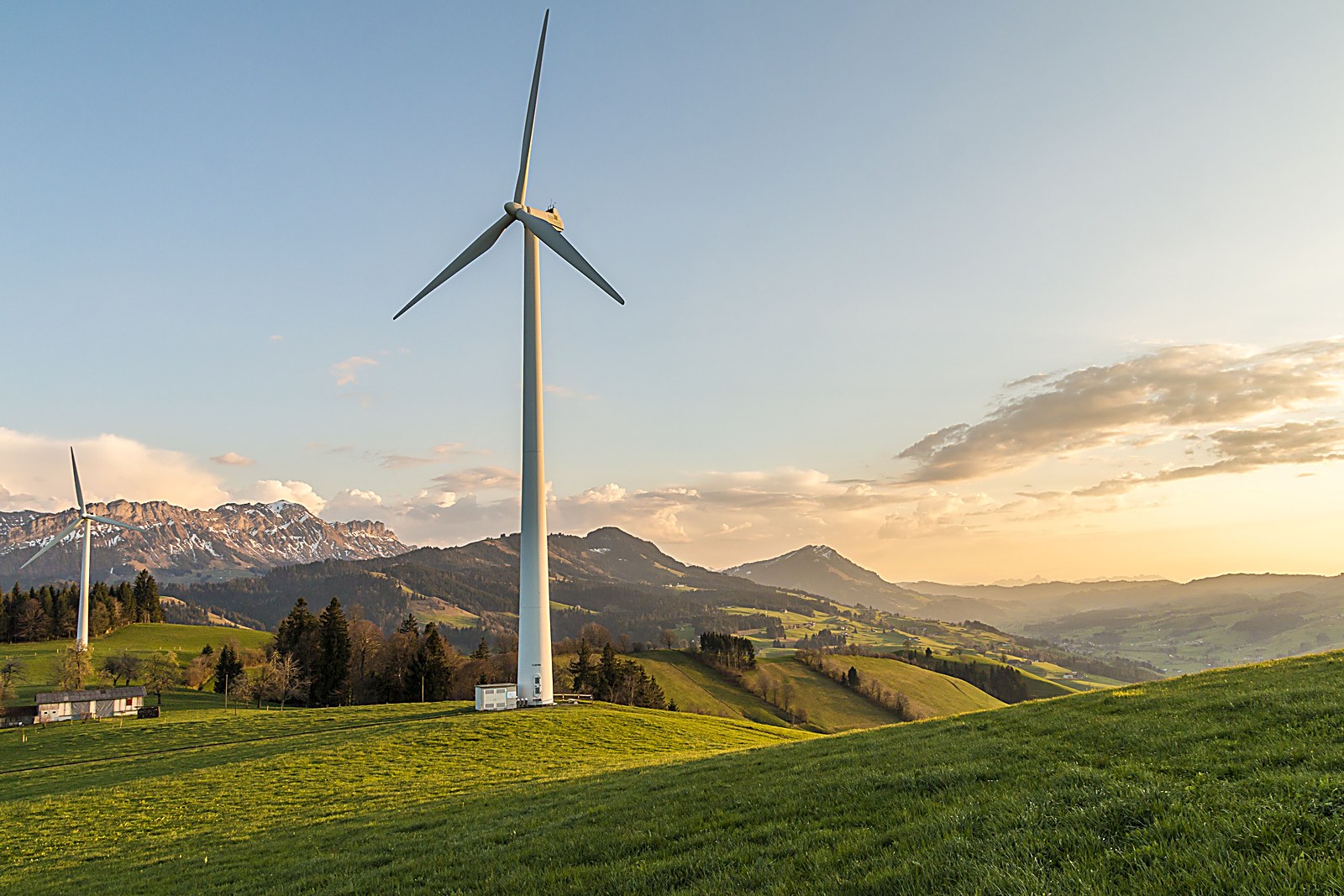
Europe is sitting on a straightforward fix to its 1,700 GW backlog of stalled renewable projects: let solar and wind farms share existing grid connection points. The technical case is solid — solar peaks during daytime and summer, wind tends to dominate at night and in winter, so combining them at a single interconnection point smooths output and maximises the asset.
Germany’s BayWa r.e. has already demonstrated the concept. Grafting 22 MW of solar capacity onto a 24 MW wind facility resulted in solar curtailment of under two per cent, confirming that co-located hybrid sites can work without straining the connection.
Spain drew the right conclusion and updated its framework in 2020, letting operators of existing plants add renewable modules through an abbreviated process with reduced financial guarantees and a bypass of the main permitting queue. Most EU member states have not followed. European Commission documents note that in most countries developers must rejoin the general grid-access queue even when a hybrid site’s total output stays within the connection’s original agreed capacity — an arrangement that perversely blocks projects capable of relieving grid pressure.
Additional obstacles pile on. Solar and wind additions frequently trigger two separate, isolated permitting procedures. System operators are reluctant to conclude flexible shared-responsibility agreements. Even the UK’s sweeping queue overhaul carries an unintended catch: the new priority framework applies to only one element of a co-located facility.
Until countries standardise hybrid-site procedures, co-location will remain a niche instrument rather than a mainstream answer to Europe’s grid congestion.
Source: pv Europe
Become a member of 100 RE UA
Switching to 100% renewable energy in Ukraine is possible!