
EU’s 1,700 GW Renewables Backlog Persists as Co-Location Rules Fall Short
A structural bottleneck is slowing Europe’s energy transition: roughly 1,700 GW of renewable and hybrid projects are queued for grid connections across 16 EU member states and the United Kingdom — a backlog more than six times Germany’s entire installed generation capacity.
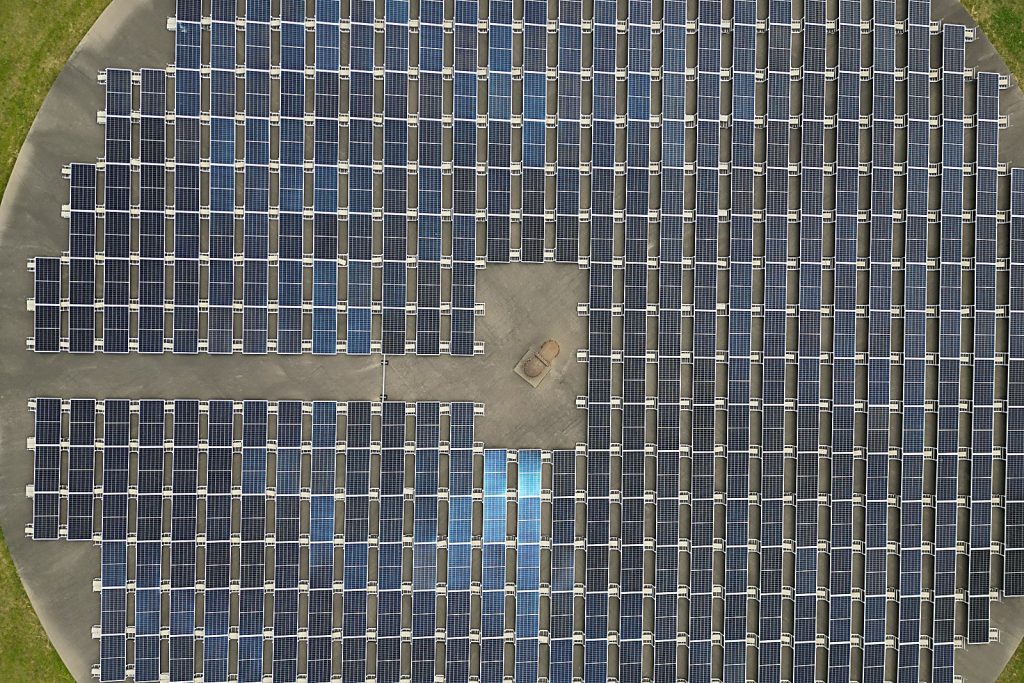
A technically proven workaround already exists. Solar and wind plants can share a single connection point because their peak output tends to fall at different hours of the day and different seasons of the year, reducing the need for additional high-voltage lines. A BayWa r.e. project north of Bayreuth demonstrates this in practice: a 22 MW solar installation was added to an operating 24 MW wind farm, and curtailment amounted to only around 2%.
Regulation, however, has not caught up with the physics. The European Commission has identified a cluster of barriers holding back co-located projects: member states often have no procedure to register a second generator at an already-occupied connection point, wind and solar face duplicated permitting steps, and grid operators are frequently unprepared to manage such arrangements. According to Philip Rasche of ENEO, citing Commission guidance, several countries impose a full new approval process for any added capacity — even when the originally permitted export limit is not breached. Germany compounds this with requirements for adjacent-operator consent and joint liability between co-located parties.
Signs of progress are visible. Fifteen EU states have established frameworks for flexible connections, and hybrid power purchase agreements in Spain and Germany together exceeded 1.3 GW over half a year, partly driven by declining solar capture rates of 50–60%. Yet the Commission has so far only issued orientation guidelines, leaving the pace of reform to national governments.
Source: pv Europe
Become a member of 100 RE UA
Switching to 100% renewable energy in Ukraine is possible!