
Geothermal Gains Unlikely Ally in Washington as Industry Eyes Gigawatt Scale
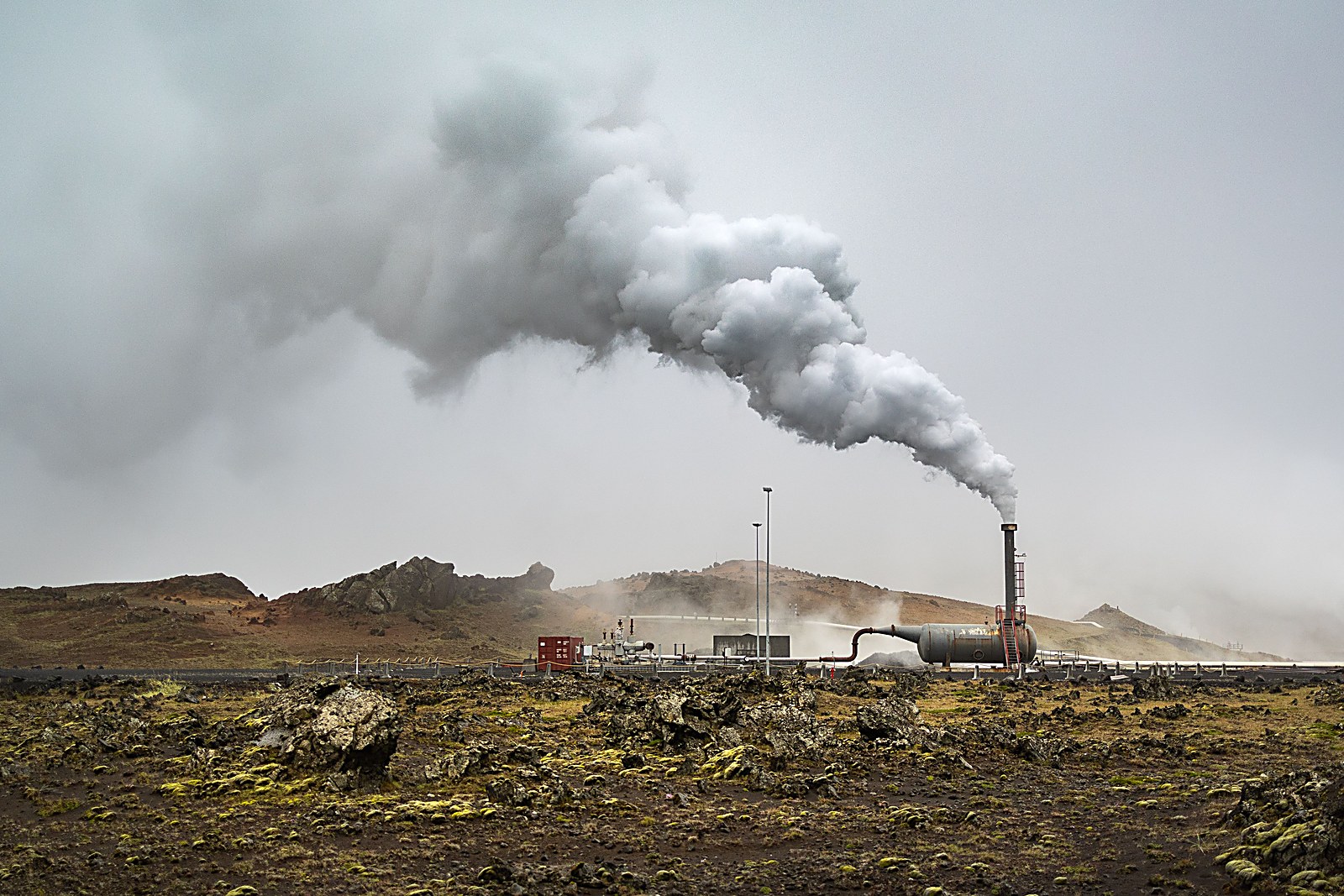
The Trump administration has quietly become a supporter of geothermal power, backing a technology that currently supplies just one percent of US electricity capacity — and whose growth could undercut coal, another White House priority.
Energy Secretary Chris Wright, who built his career running an oilfield services company, frames geothermal expansion as an opportunity for the drilling industry rather than a departure from it. In 2022, Liberty Energy invested $10 million in Fervo Energy while Wright still led the firm; Devon Energy followed with participation in a $462 million funding round in 2025.
Federal support has continued under the new administration. Earlier this month the Department of Energy opened a Geothermal Energy Center of Excellence in Colorado, intended to accelerate projects toward gigawatt-scale deployment. The FORGE research site in Utah, funded since the early 2000s, also retains backing.
Analysts note an inherent tension in departmental policy: the same office tasked with geothermal development is simultaneously pushing to revive coal as baseload generation. Geothermal and coal compete for the same role on the grid, meaning one industry’s success comes at the other’s expense.
Private developers are not waiting for that contradiction to resolve. Fervo has signed a 396 MW supply agreement with Google for its Cape Station project in Utah, targeted for completion in 2028. Hexagon Energy has struck a deal with timber company Weyerhaeuser to develop sites in Washington and Oregon. Mazama Energy plans to begin drilling on Project Ceres, which its backers describe as the first commercial superhot-rock enhanced geothermal system in the United States.
Together, these projects mark a tangible step beyond the Rocky Mountain geography that historically confined US geothermal development.
Source: CleanTechnica
Become a member of 100 RE UA
Switching to 100% renewable energy in Ukraine is possible!