Grid Constraints Are the New Bottleneck for Europe’s EV Charging Expansion
Europe’s electric vehicle charging sector has crossed into commercial maturity, yet the network risks stalling unless power grid capacity keeps pace. That was the consensus at the icnc26 conference in Berlin, where industry executives outlined both the achievements and the remaining obstacles.
The scale is considerable. European plants produced 1.7 million electric vehicles in 2025, while new registrations across the continent topped 2.6 million, Hubject CEO Christian Han told the conference. Germany alone now operates roughly 214,000 public charging points, and satisfaction is high: BDEW polling records that 94% of EV drivers would choose an electric vehicle again on their next purchase.
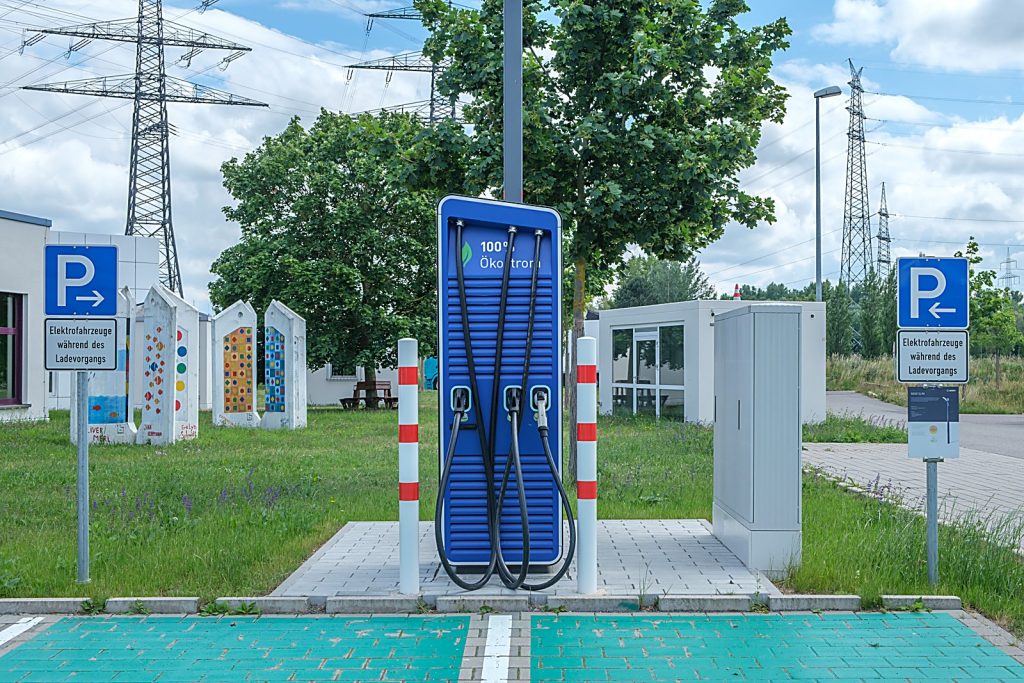
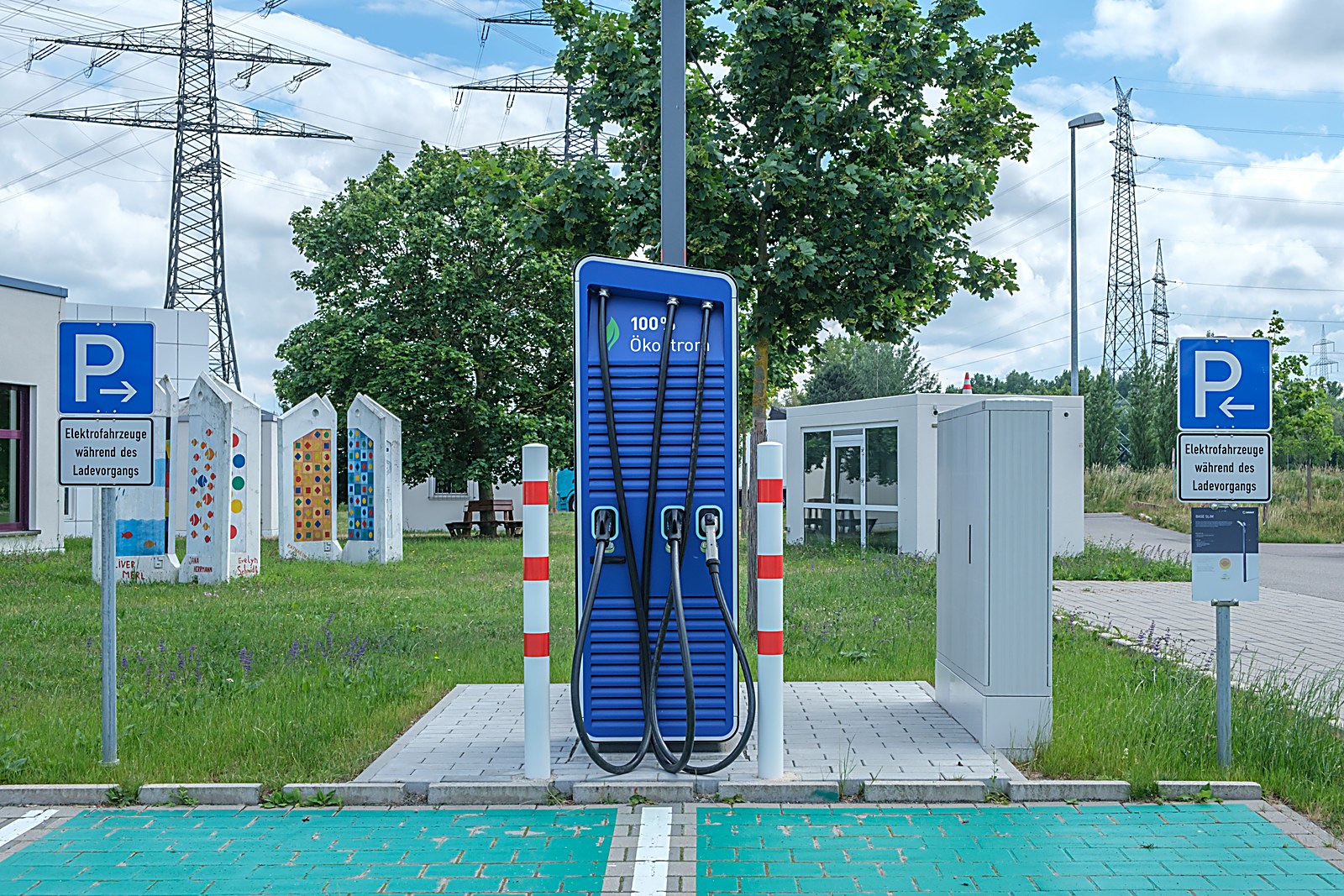
Technology has also advanced sharply. The latest battery systems can charge from 10% to 80% capacity in under ten minutes, with peak output reaching 500 to 600 kilowatts. Operators are consolidating scattered municipal alternating-current stations into centralized fast-charging hubs occupying the footprint of a conventional petrol station. Martin Roemheld of EnBW Charging argued the sector no longer requires public subsidies, saying infrastructure can now be financed on straightforward market terms.
The pinch point is the grid. Speakers broadly agreed that charging networks must compete for connection capacity against data centers, industrial heat pumps and battery storage systems — a scramble that limits where and how fast new hubs can open. BDEW chair Kerstin Andree called for faster grid connection approvals, streamlined land-use permits, and a reduction in electricity taxes to the minimum level permitted under EU rules.
Source: pv Europe
Become a member of 100 RE UA
Switching to 100% renewable energy in Ukraine is possible!