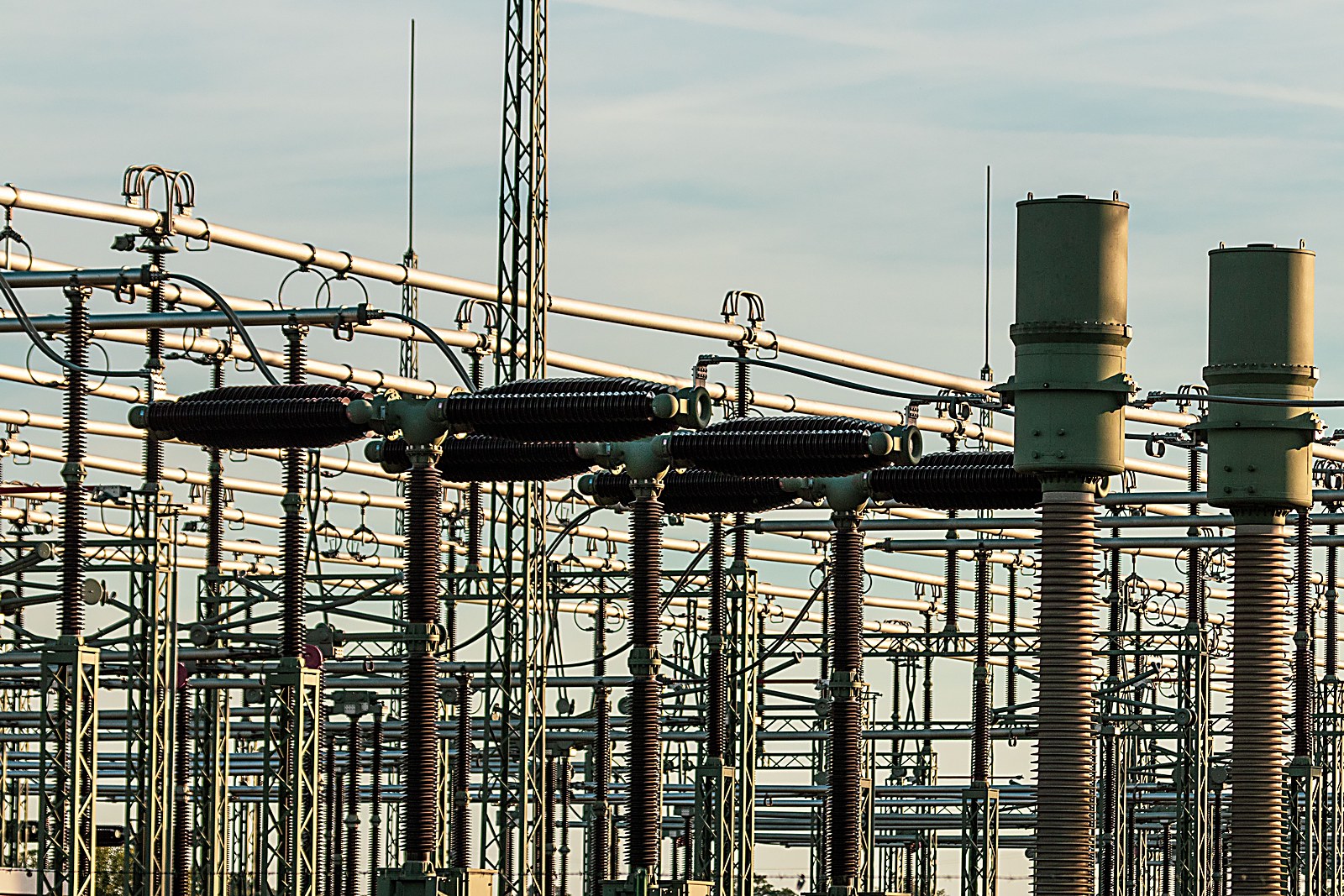
Grid Investment Could Reach $25 Trillion by 2050 as Renewables Reshape Network Demands
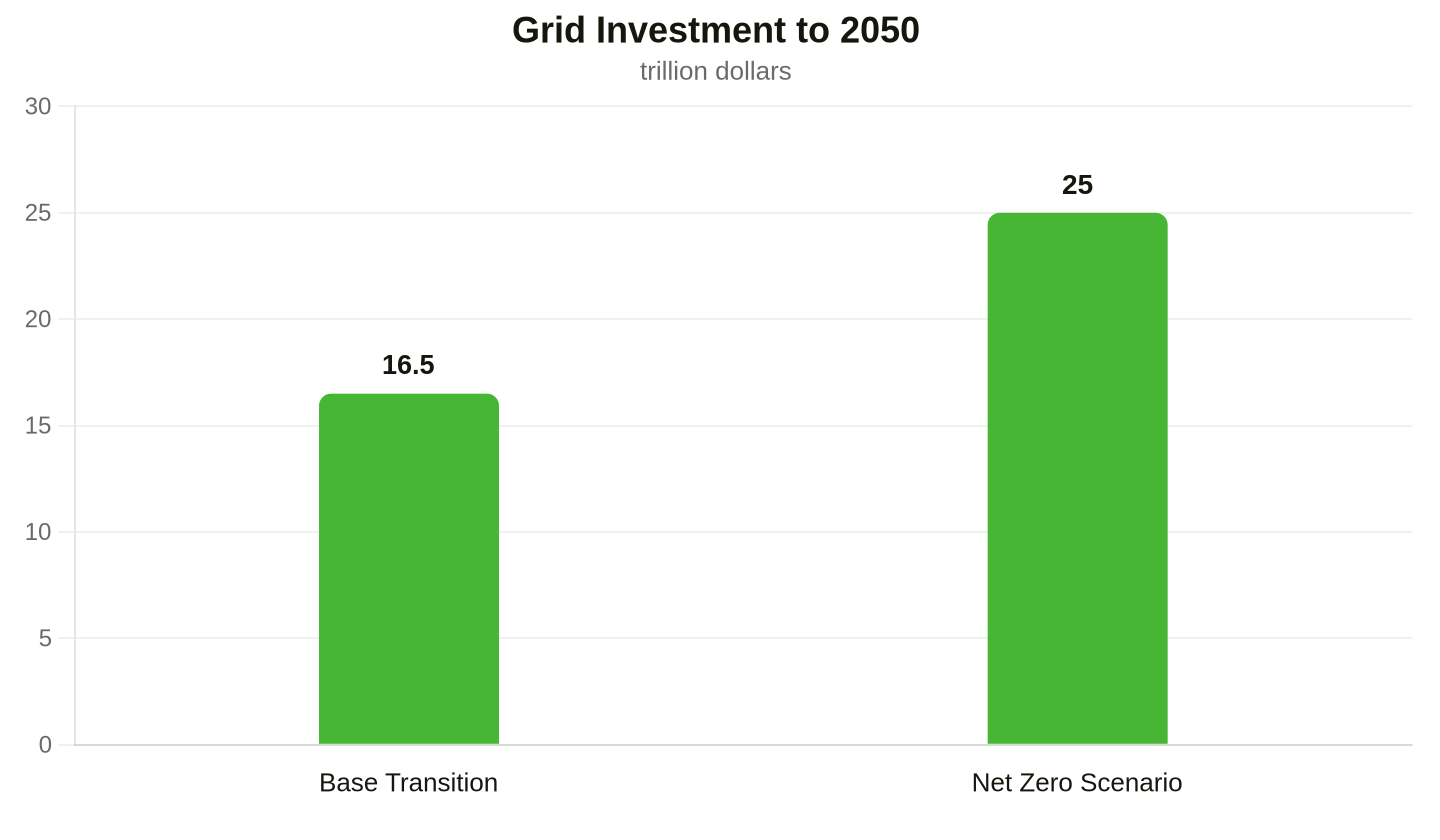
Global electricity grid spending is set to become a permanent feature of the energy transition — not a one-time investment surge — according to BloombergNEF’s NEO Grids 2026 report. Under an economic transition scenario, the world will require $16.5 trillion in grid infrastructure through 2050; a Net Zero scenario raises that total to $25 trillion, with nearly three-quarters of the difference driven by connecting new renewable generation.
The projections come from BNEF’s GridInvest model, which is built on the firm’s scenarios for electricity-system decarbonisation and electric-vehicle uptake. Spending is forecast to rise rapidly through 2030 and stay structurally high until mid-century, with asset replacement and renewables integration together accounting for close to two-thirds of all capital.
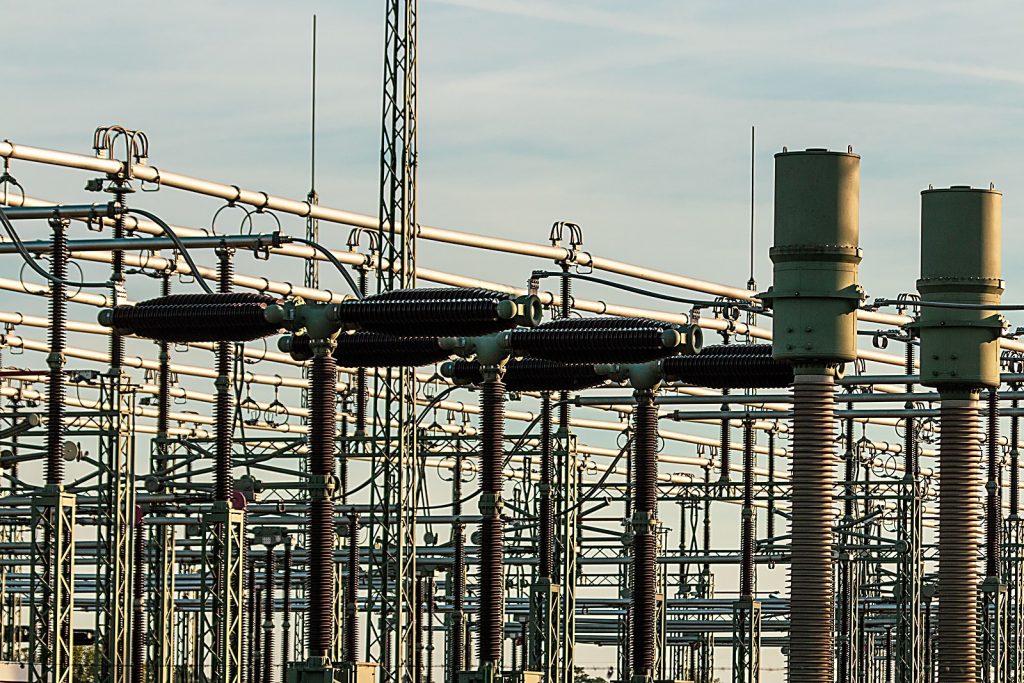
Distribution networks will absorb more than half of total investment, while global transmission-line length is projected to expand by 73 percent. Replacing ageing infrastructure alone represents nearly 40 percent of worldwide costs, and worn-out grids in the United States and Europe account for almost half of that portion. Digitalization is budgeted at $2.1 trillion — 13 percent of the base-case $16.5 trillion total.
On average, the world is projected to add 1.1 million kilometres of network lines each year. China remains the largest single market for grid investment, while Indonesia and Vietnam show notable growth.
Source: BloombergNEF
Become a member of 100 RE UA
Switching to 100% renewable energy in Ukraine is possible!