
Solar Shields Europe’s Daytime Power Markets but Leaves Nights Exposed to Gas
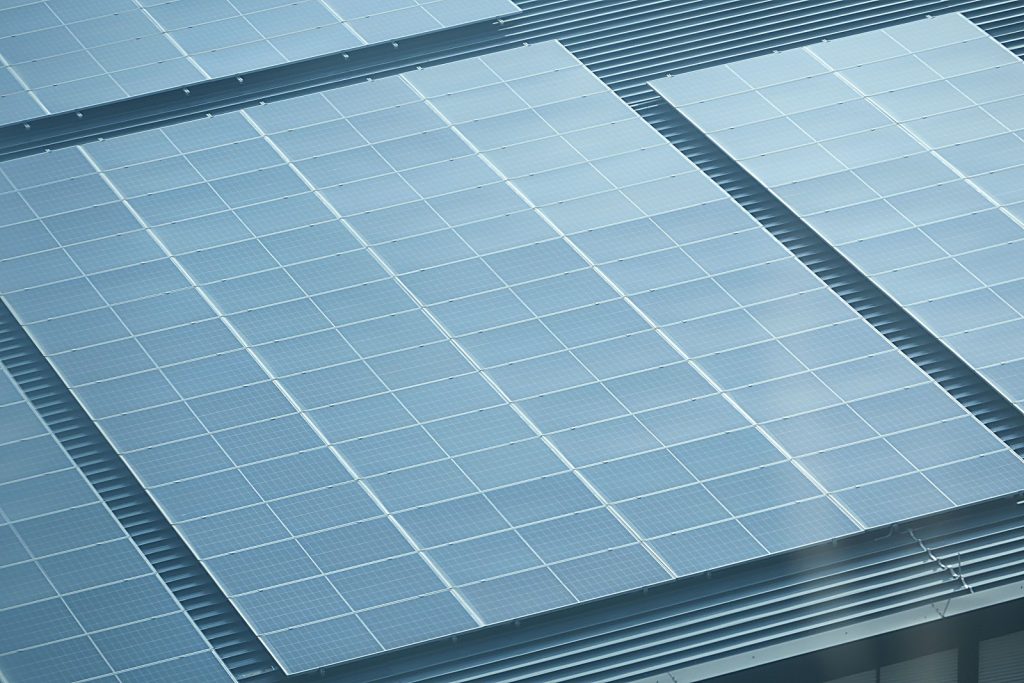
A structural split has opened in European electricity markets: solar power effectively buffers daytime prices from gas shocks, but offers no protection after dark. That is the central finding of an analysis by WSP analyst Safa Sen, published in PV Magazine using ENTSO-E data across two 227-day crisis periods.
During the spring-summer 2026 crisis, daytime power prices fell to 16–25 euros per megawatt-hour at peak solar output, while night wholesale rates surged by 36–51 euros per megawatt-hour as gas TTF averaged around 54 euros, pushing gas-fired generation costs to roughly 97 euros per megawatt-hour. For comparison, in the 2022 crisis the cheapest hour had cost 149 euros in Spain, 193 euros in Germany and 252 euros in Greece — the daytime floor no longer exists at those levels.
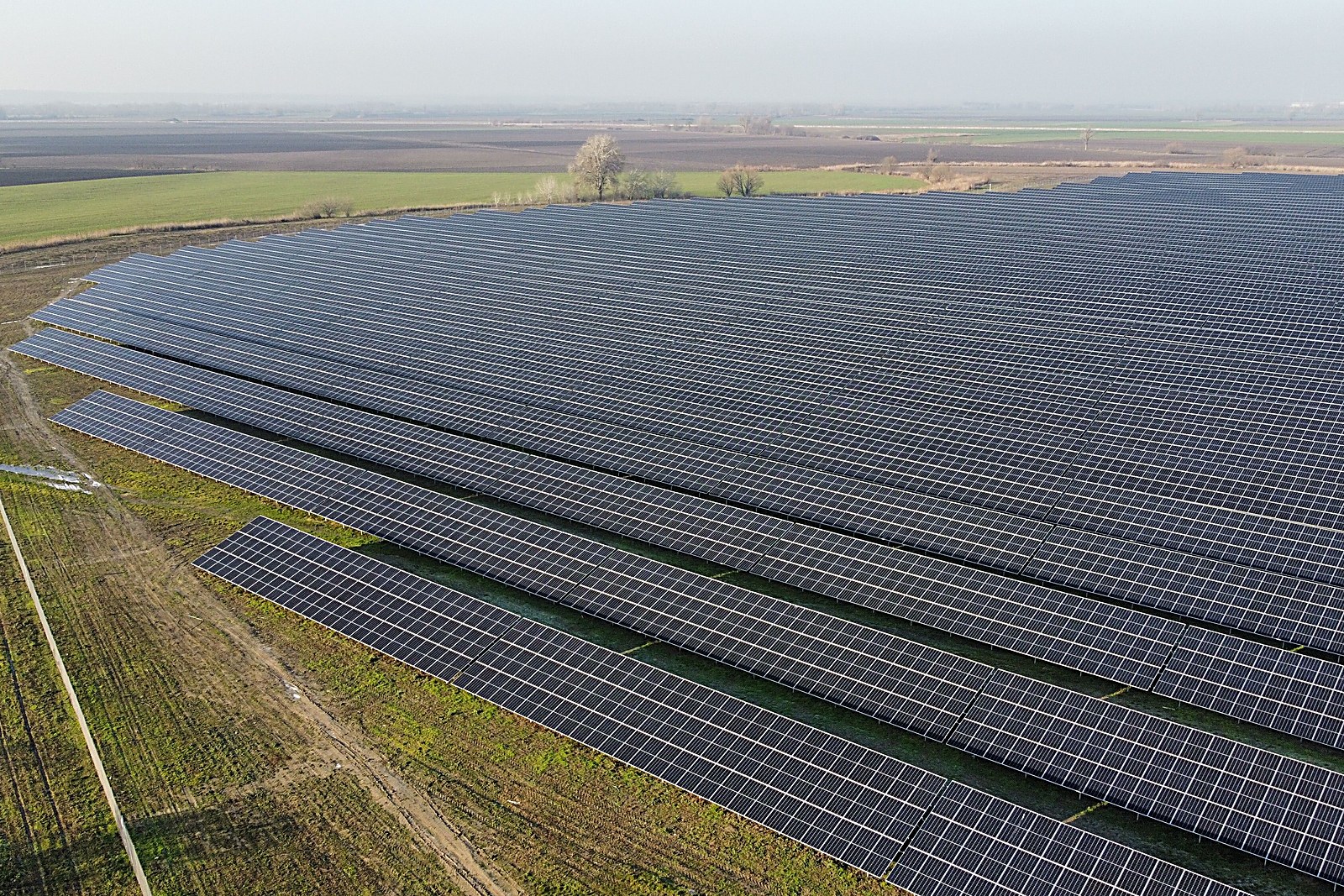
The scale of solar explains the shift. Peak solar output doubled from 2022 to 2026 in Spain, reaching 21.2 GW, and in Greece, reaching 5.2 GW; Germany’s peak output climbed to 39.8 GW. More than two-thirds of solar generation was concentrated in daylight hours, producing hundreds of negative-price episodes — Spain recorded 547 such intervals, Germany 459, and Greece 476.
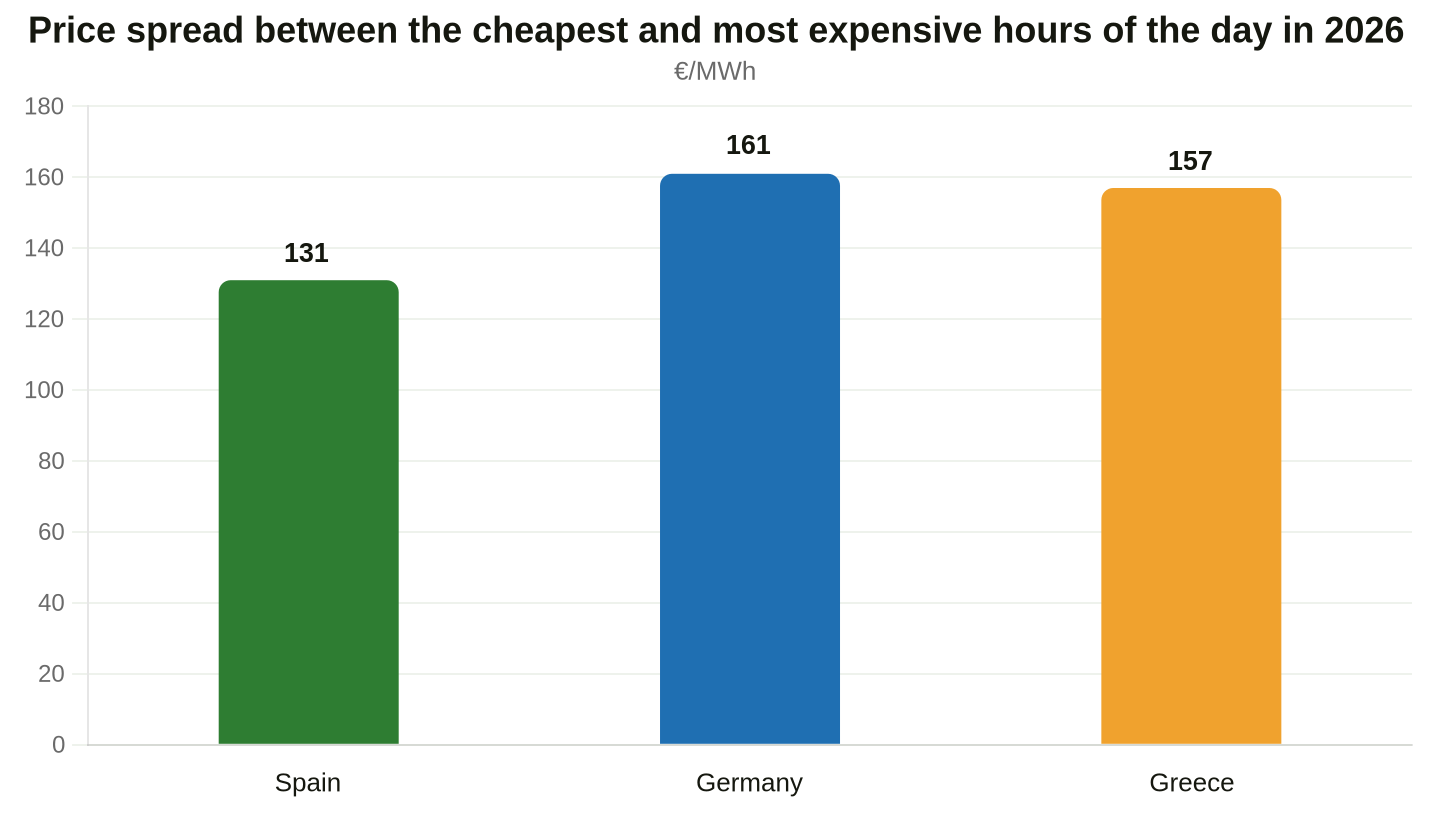
Around 128 GWh of solar electricity was generated daily during those negative-price windows, creating an arbitrage opening for battery storage. The spread between cheapest charging and most expensive discharge hours reached 131 euros per megawatt-hour in Spain, 161 euros in Germany and 157 euros in Greece. Sen cautions that these figures use averaged daily profiles and exclude efficiency losses, and that each additional battery brought online will compress the very spread that makes storage commercially viable.
Source: PV Magazine
Become a member of 100 RE UA
Switching to 100% renewable energy in Ukraine is possible!