Turkey Turns Renewable Growth Into Electricity Export Revenue
What began as a climate goal has become a trade strategy. Turkey has sharply expanded electricity exports while reducing imports, reshaping its position in the regional power market — most notably reversing its trade balance with Bulgaria, where it had previously been a net importer.
According to Ember, Turkish electricity exports generated $359.1 million in 2025 — representing more than 4 TWh — and a further $166.4 million through the first eight months of 2026. Iraq and Bulgaria are the top destination markets.
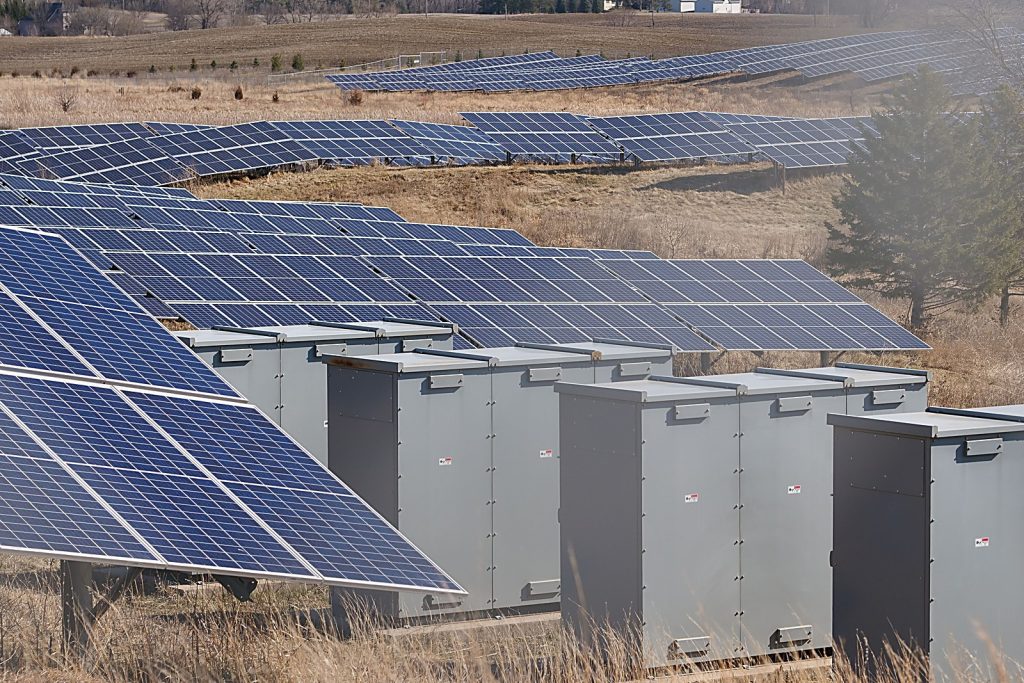
The capacity growth underpinning that export surge is almost entirely renewable. SHURA data show that 99% of Turkey’s net capacity additions in 2025 came from clean sources, with solar accounting for 4.9 GW of that total. Over the same period, Turkish electricity imports from Georgia fell from more than 6 TWh in 2022–2023 to under 1 TWh in 2026.
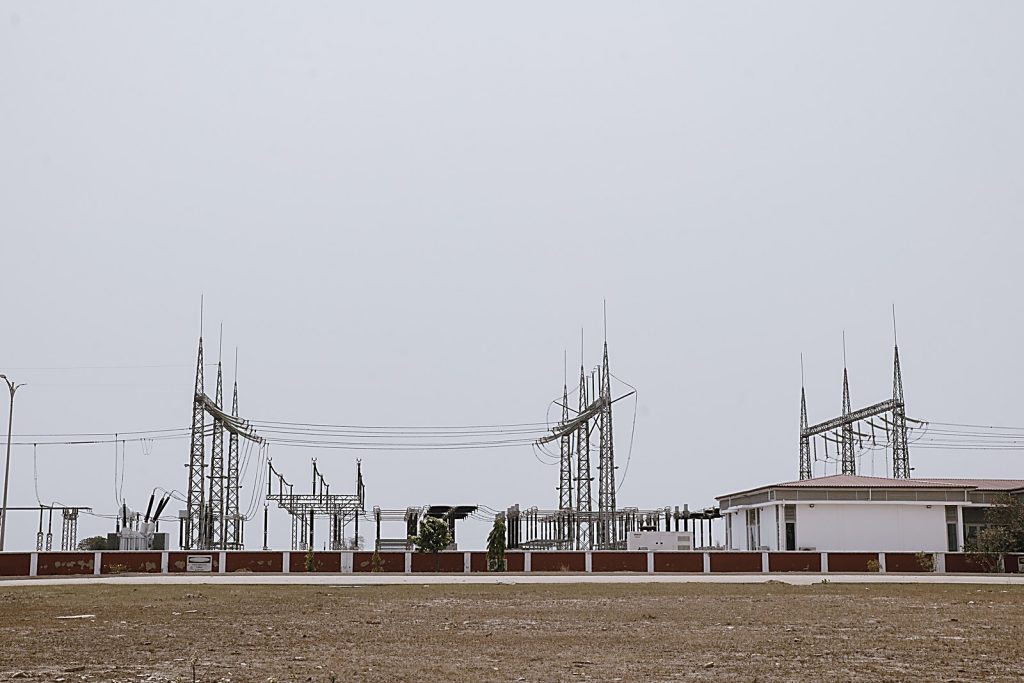
Ember describes Turkey as a potential regional clean-energy hub, though the report notes that realising the country’s export potential will require expanded cross-border transmission infrastructure. Turkey’s current target calls for clean energy to reach 77% of its mix by 2040, with solar capacity scaling from 26 GW today to 112 GW.
Steps toward broader regional integration are already under way. At COP31, Turkey, Azerbaijan, Bulgaria and Georgia signed a green energy corridor agreement. Azerbaijan’s Energy Minister Parviz Shahbazov stated the corridor will initially carry 1 GW. A second interconnector linking Turkey with Greece is planned for commissioning by 2031.
Source: PV-Tech
Become a member of 100 RE UA
Switching to 100% renewable energy in Ukraine is possible!