
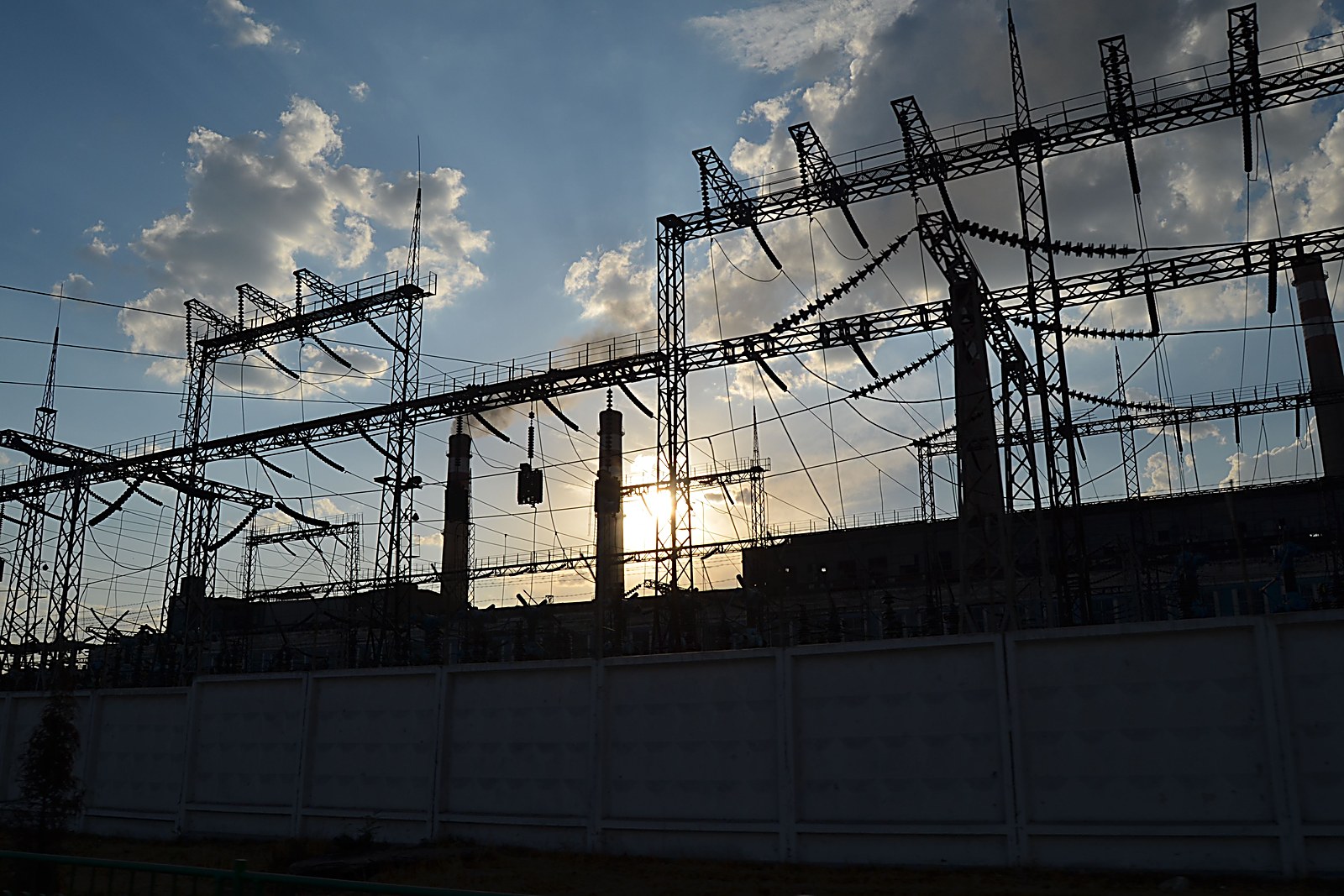
US Launches $5.25 Billion Grid Upgrade Push Under SPARK Program
The Trump administration has committed $5.25 billion in combined public-private funding to modernize the United States electricity transmission network. The federal government will contribute $1.9 billion, with participating project developers covering the remaining $3.35 billion.
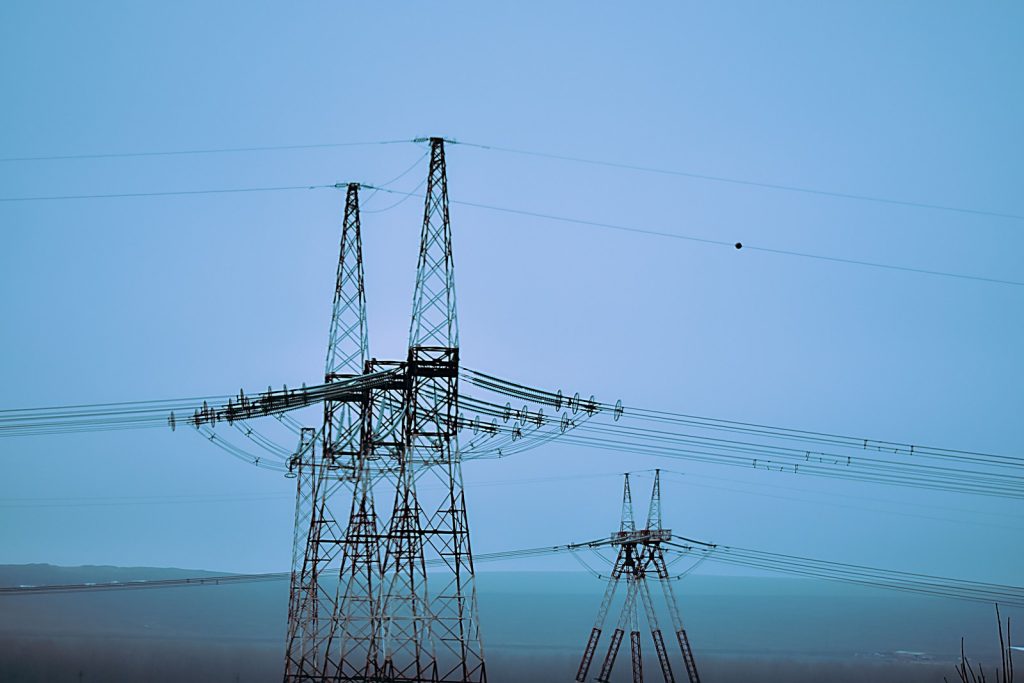
Channeled through the SPARK initiative, the money will fund 31 infrastructure projects aimed at adding 23 GW of transmission capacity. Work will include physical upgrades along 1,500 miles of power lines and deployment of digital grid-optimization systems across 21,000 miles of network in 26 states.
The core strategy avoids building entirely new corridors. Instead, planners want to replace aging conductors with higher-capacity alternatives on existing rights-of-way — sidestepping the multi-year permitting battles that typically delay greenfield transmission projects. Energy Secretary Chris Wright said the goal was to squeeze greater output from infrastructure already in place and keep electricity affordable and dependable for decades ahead.
That ambition is tested by an enormous backlog of generation projects waiting to connect. By the end of 2023, roughly 2.6 TW of new capacity — predominantly solar farms and battery arrays — sat in interconnection queues. Lawrence Berkeley National Laboratory has found that nearly four in five queued projects drop out before reaching commissioning.
Demand-side pressures are intensifying as well. Goldman Sachs analysts project that data-center electricity consumption, driven largely by artificial intelligence workloads, could reach 66 GW by 2027 — approximately twice current levels. The Department of Energy argues that maximizing existing grid corridors is the fastest way to ease congestion and bring more power to market.
Source: PV-Tech
Become a member of 100 RE UA
Switching to 100% renewable energy in Ukraine is possible!