
US Small-Scale Solar Output Has Nearly Quintupled Over the Past Decade, EIA Finds
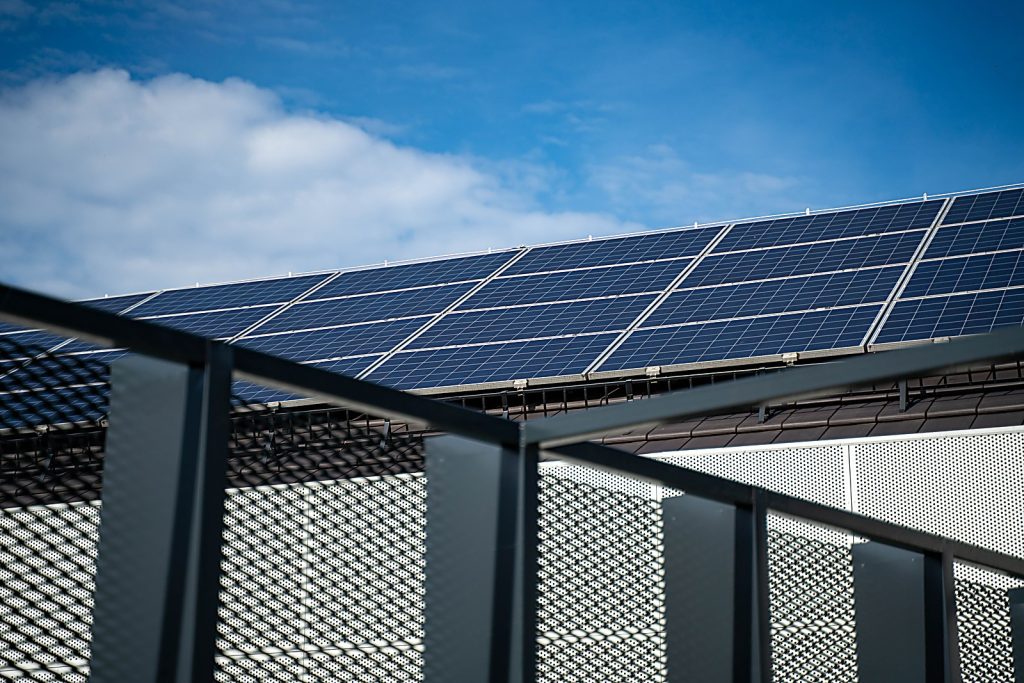
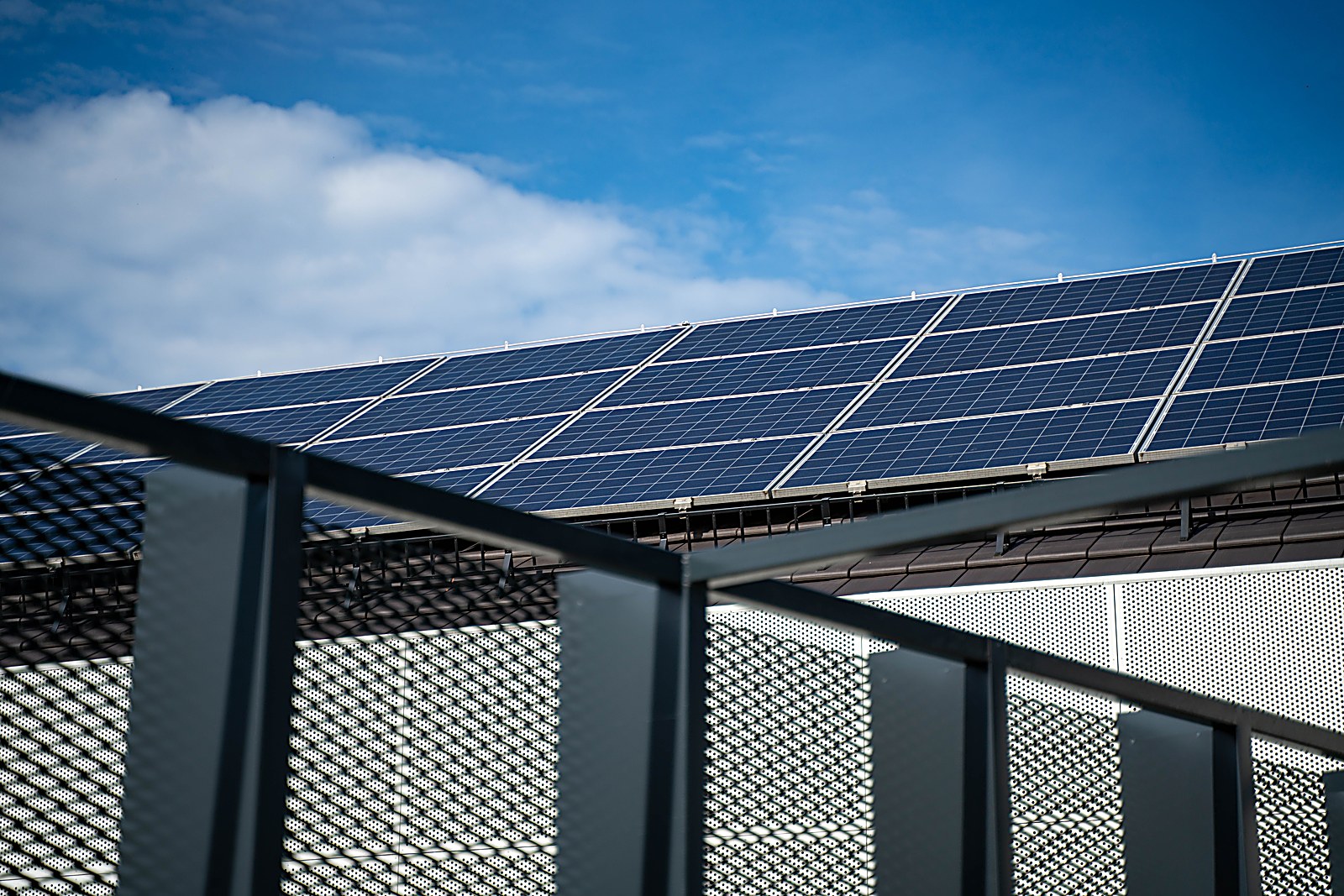
Small solar installations of one megawatt or less generated close to 93,000 gigawatt-hours of electricity across the United States in 2025, up from roughly 18,800 GWh a decade earlier, according to the U.S. Energy Information Administration. The agency links the expansion to falling equipment costs and federal support programs.
Growth was not linear. Annual output surged 25 percent in 2022, partly because some California owners rushed to connect their systems before the state replaced its Net Energy Metering 2.0 program with a less favorable Net Billing tariff. Since that peak year, the pace of output growth has gradually slowed.
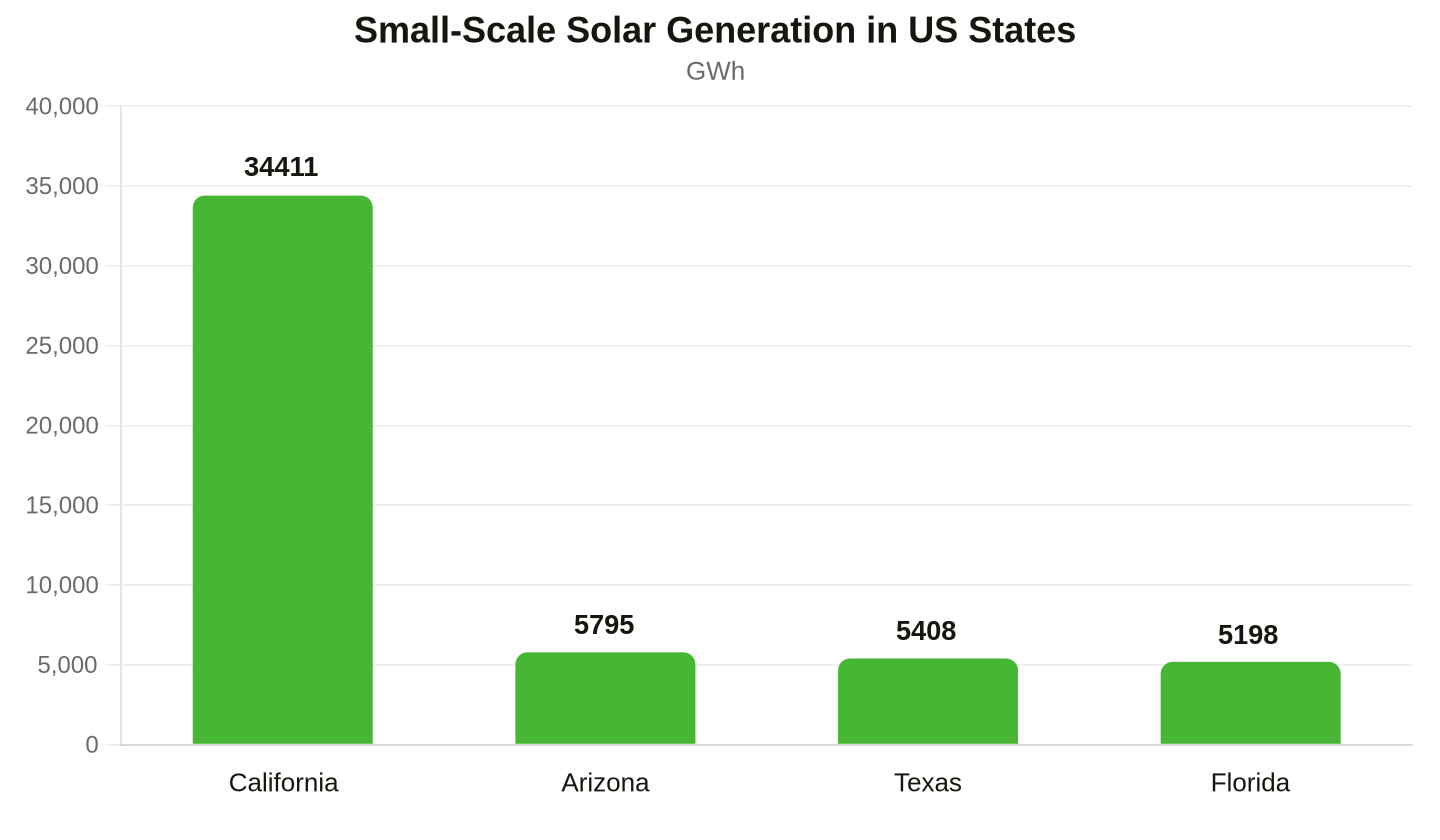
Four states with the country’s richest solar resources lead the sector. California contributes 37 percent of all small-solar generation — 34,411 GWh in 2025 — supported by roughly 20 GW of installed rooftop capacity. Arizona ranks second with more than six percent of national output and 5,795 GWh, aided by a 25 percent state tax credit. Texas recorded 5,408 GWh last year, a roughly fourteenfold increase from the 391 GWh it produced in 2016. Florida reached 5,198 GWh in 2025, up from 205 GWh the same year Texas began its run.
Because utilities lack direct telemetry from private rooftops, the EIA does not measure this segment directly; instead it estimates actual output using the NREL PVWatts computational model.
Source: EIA
Become a member of 100 RE UA
Switching to 100% renewable energy in Ukraine is possible!