Britain’s Idle Coal Sites Offer Renewables Developers a Queue-Jumping Shortcut
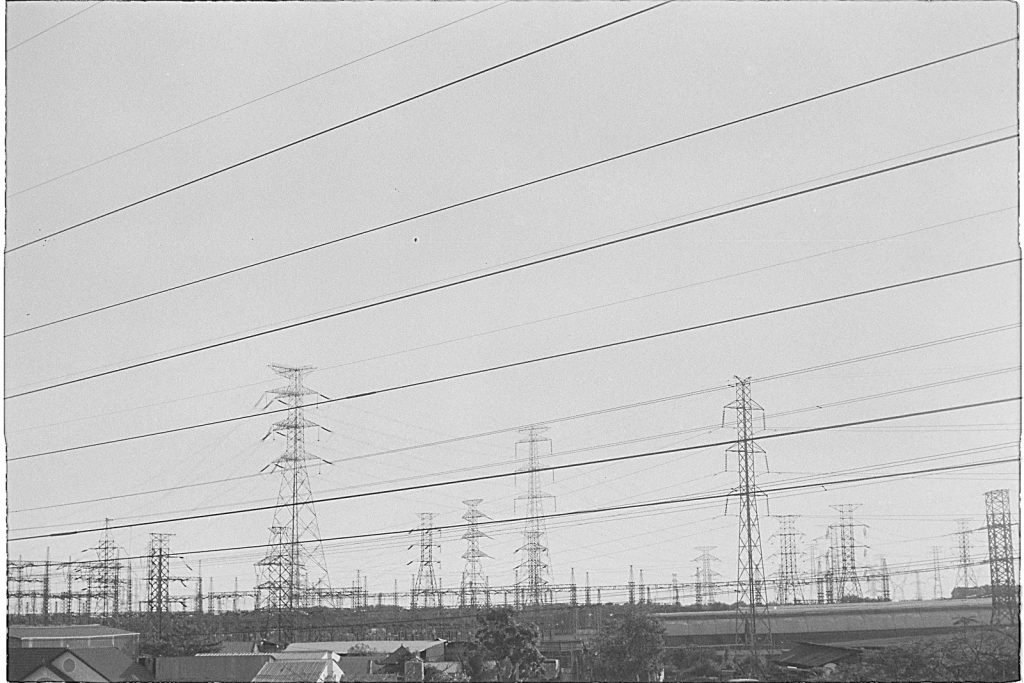
Britain’s retired power stations are proving most valuable not for their land, but for the substations and high-voltage cables they left behind — infrastructure that lets renewable developers bypass a grid-connection queue that once stretched well beyond 700 GW.
At West Burton, on the banks of the River Trent, the cooling towers have gone cold. Yet the transmission lines remain, and it is those lines that make the site attractive. RES has won approval to build a 450 MW solar farm near the former plant, paired with a 150 MW battery. The company calculates that the solar element would meet the annual electricity needs of around 180,000 households. Construction is targeted for completion by 2029.
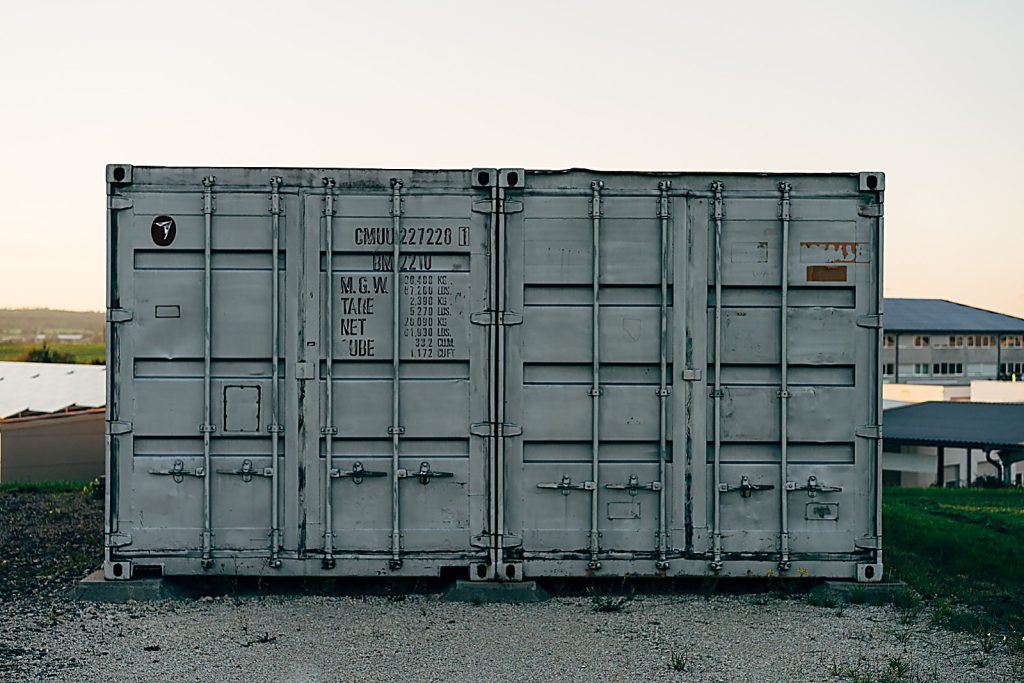
A second project is taking shape on the same stretch of river. Developer Fidra Energy is moving forward with West Burton C, a 1.1 GWh storage facility financed by a £231 million credit facility, with construction due to start this year and full commissioning expected in 2028.
The opportunity opened up as Britain wound down coal. The country closed its final coal-fired station, Ratcliffe-on-Soar, in September 2024, ending 142 years of coal-generated electricity. According to industry publication pv Europe, the connection queue had ballooned past 700 GW before the government and the electricity-system operator began clearing speculative applications — making ready-connected brownfield energy sites worth years of saved grid-connection time.
Not everyone welcomes the expansion. The charity CPRE has pointed out that nearly 60 per cent of the UK’s largest solar farms are going up on productive agricultural land rather than on rooftops. Civil-society organisations in the Trent valley have also been pushing back against the pace of development in the region.
Source: pv Europe
Become a member of 100 RE UA
Switching to 100% renewable energy in Ukraine is possible!