
Section 232 Tariffs Set to Push U.S. Solar Module Prices 40% Higher by December
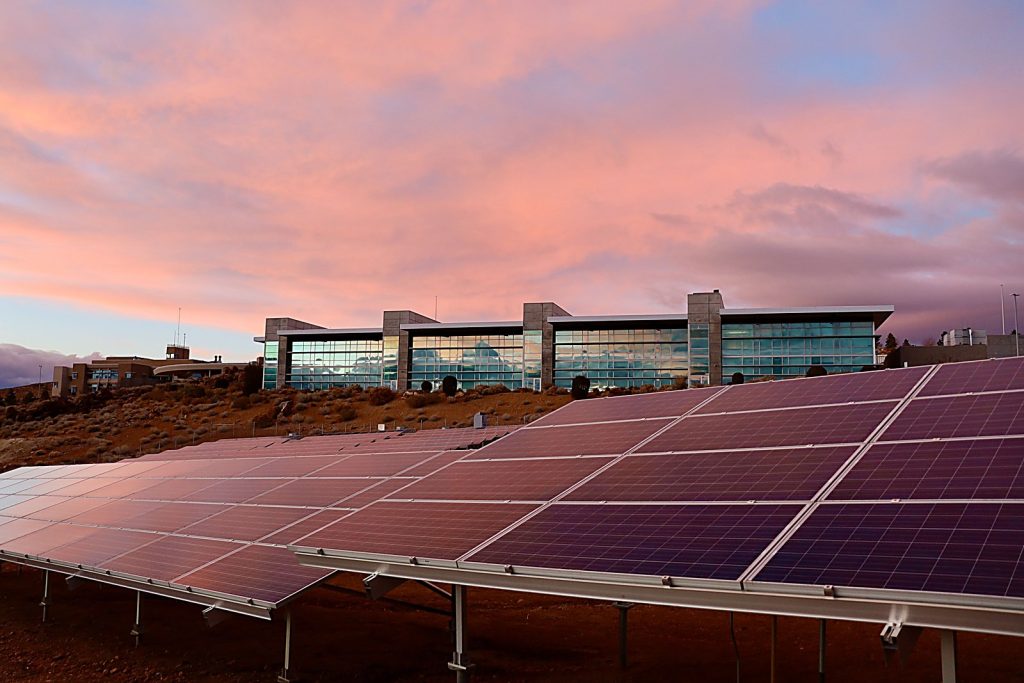
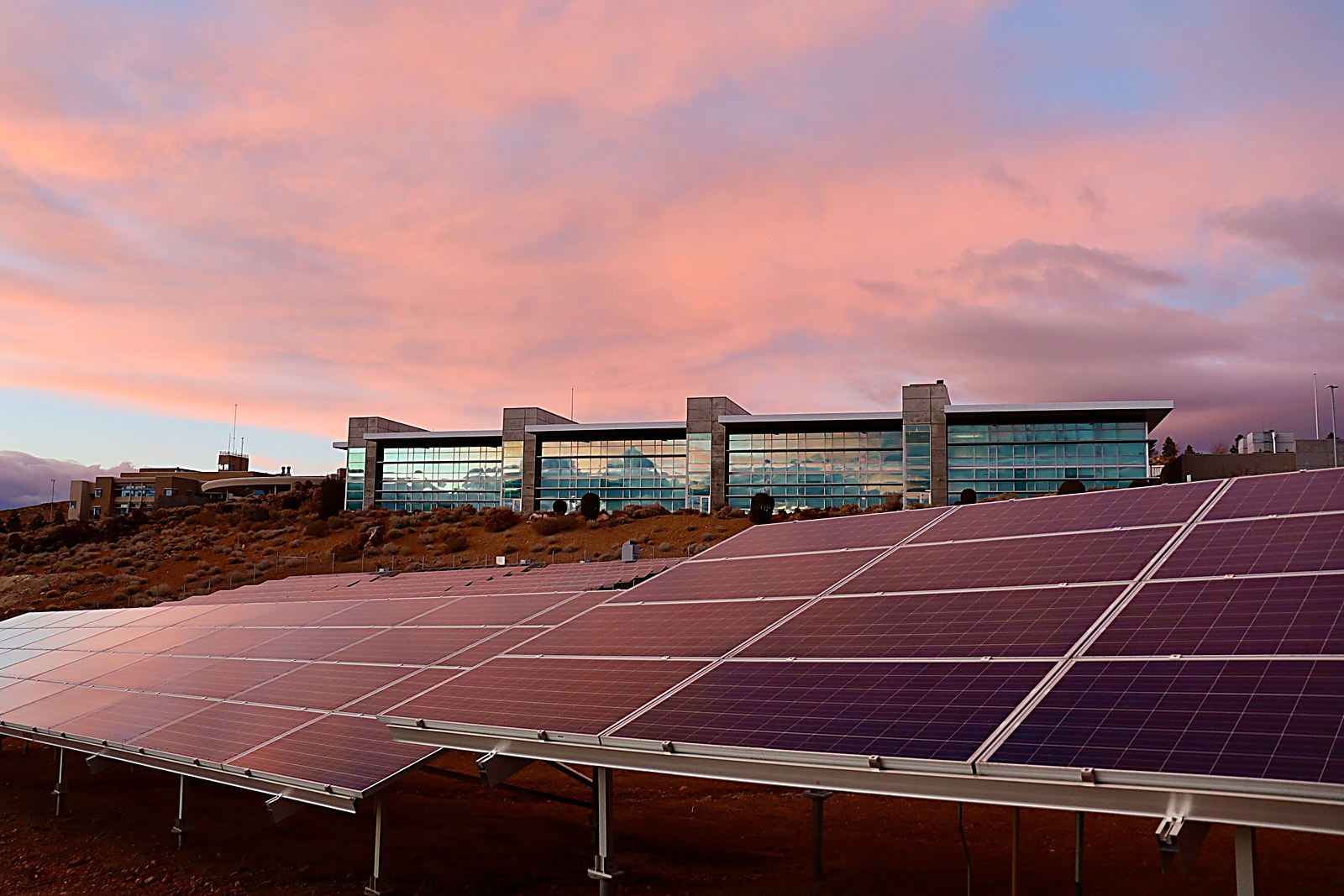
New 15% Section 232 tariffs are poised to deliver a sharp price shock to America’s solar industry. Imported solar modules, which were trading at roughly 27 cents per watt before August announcements, have already climbed to 38 cents at suppliers that have updated their price lists, according to analytics platform Anza. For shipments arriving after December 4, the median import price is expected to jump 40%, putting the financial viability of many projects at risk.
The tariffs apply across the entire solar supply chain — polysilicon, ingots, wafers, cells, and finished modules — leaving developers a narrow window to rethink sourcing strategies before the deadline hits.
Industry participants are pursuing several immediate options:
- Prioritizing purchase of modules already held in U.S. warehouses
- Accelerating overseas shipments to clear customs before December 4
- Renegotiating contracts and switching to domestically manufactured products
The Solar Energy Industries Association (SEIA) says existing U.S. module assembly capacity is sufficient to meet demand. The deeper challenge lies further up the supply chain: meaningful growth in domestic ingot and cell production is not expected until next year, while significant expansion of U.S. polysilicon capacity is projected by 2028.
With capital costs under pressure, developers face an urgent set of procurement decisions they must make now — before the tariff regime locks in a new, higher cost baseline for projects across the country.
Source: PV Magazine
Become a member of 100 RE UA
Switching to 100% renewable energy in Ukraine is possible!