Germany’s Solar Boom Leaves a 600,000-Tonne Recycling Gap Unfilled
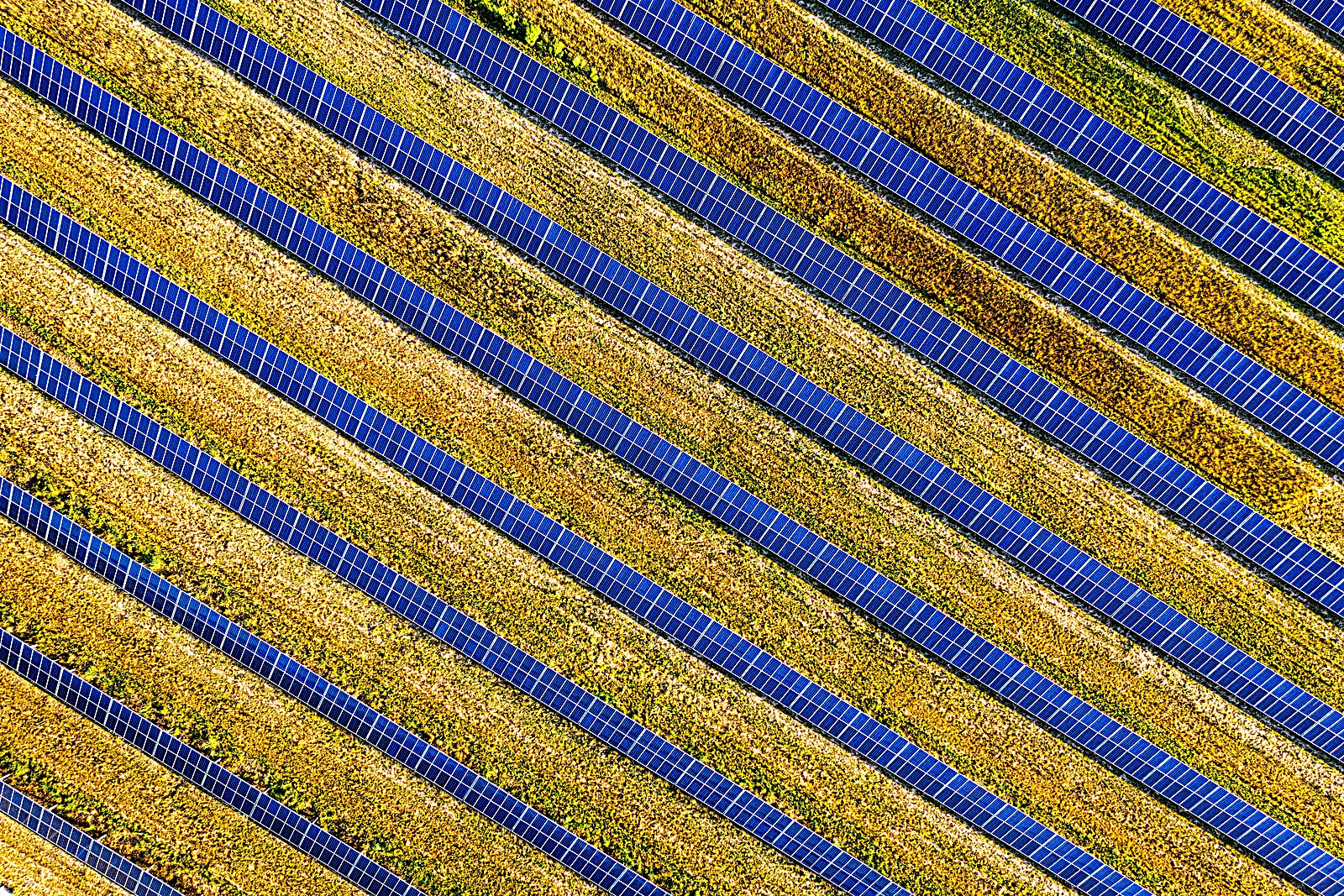
Germany’s rapid expansion of solar capacity is creating a recycling problem the country’s industrial infrastructure is not yet equipped to solve. By 2030, more than 600,000 tonnes of spent photovoltaic panels are projected to require disposal — but the facilities to handle them at industrial scale barely exist.
A study by the Fraunhofer CSP Institute found that modules installed in Germany through 2023 already contain materials whose potential value, at current market prices, reaches approximately 4.8 billion euros. How much of that can actually be extracted depends critically on recycling technology — which remains underdeveloped.
- Aluminum embedded in those modules is estimated at 660,000 tonnes.
- Silver content totals around 3,900 tonnes — a metal the solar industry consumed at nearly 20% of global mine output in 2023 alone.
- Glass and silicon require separate processing methods and must be isolated from higher-value metals before recovery is possible.
The core obstacle to building recycling capacity is the unpredictable and irregular flow of end-of-life panels reaching processors, which makes reliable capacity planning extremely difficult. As a result, only two factories in Germany are currently able to handle crystalline silicon modules at industrial scale.
The stakes reach beyond domestic waste management. Some experts caution that at current rates of new panel production, global silver reserves could be exhausted within five years.
Source: PV-Tech
Become a member of 100 RE UA
Switching to 100% renewable energy in Ukraine is possible!