Gravity Storage Tower Costs Eight Times More Than Battery Rival in China’s Best-Case Test
Energy Vault’s gravity-based storage facility in Rudong, China, has failed to match the economics of lithium-ion batteries even under near-ideal conditions, according to an assessment by TFIE Strategy Briefing and CleanTechnica analysts.
The tower stands roughly 148 metres tall and uses more than 12,000 mineral-composite blocks weighing 25 tonnes each, raised and lowered by 96 hoists across thousands of bored piles. The installation stores 100 MWh at a rated output of 25 MW — four hours of full-load discharge. Grid connection had been expected by late 2023, but the facility remains in commissioning.
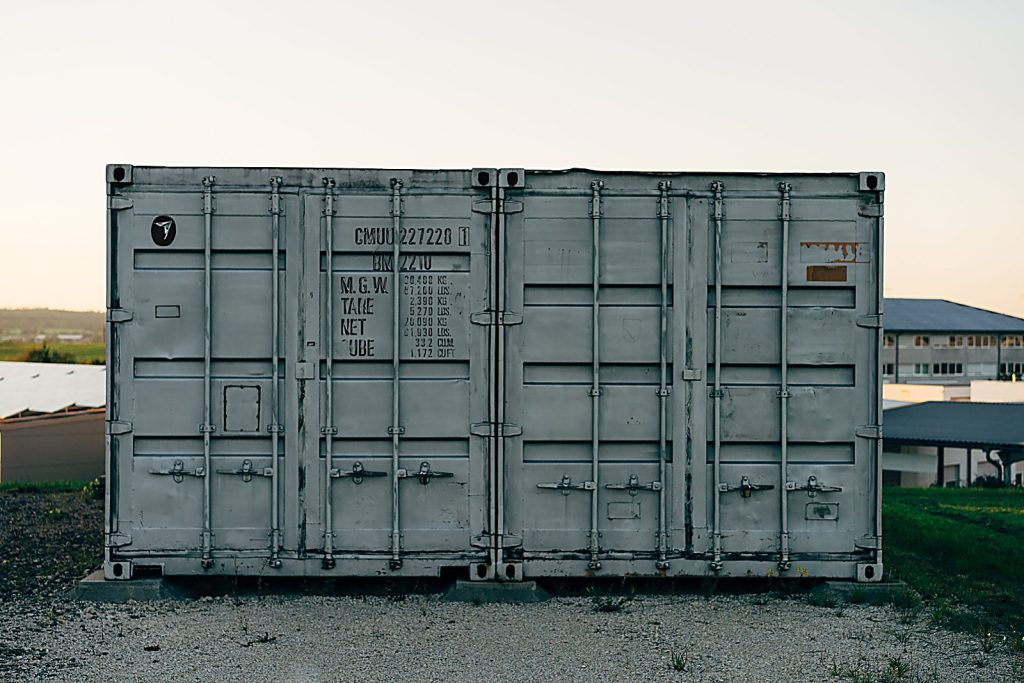
Analysts place capital costs for the gravity system at approximately eight times those of an equivalent modern Chinese battery station. A 100 MWh installation built on Sungrow’s PowerTitan 2.0 platform requires roughly 1,200 square metres; the Rudong tower’s footprint is about eleven times larger. Estimated operating costs and carbon intensity — driven by the volume of concrete, steel and civil engineering involved — are also higher, with the embodied carbon figure compared to gas-fired generation.
The site was chosen to neutralise common objections: state backing, close coordination with the grid operator, and full access to domestic supply chains for steel, concrete, motors and power electronics. Even so, the mechanical requirements — deep foundations, horizontal lifting rigs, brakes and control systems — push costs and carbon well beyond what the blocks themselves imply.
Energy Vault has since repositioned as a conventional battery integrator, with gravity storage now representing a marginal share of its portfolio. The Rudong project is a genuine engineering achievement, yet it sharpens a pointed question for the sector: when modular battery systems deliver the same grid services in a fraction of the space at a fraction of the cost, what economic case remains for mechanical storage at this scale?
Source: CleanTechnica
Become a member of 100 RE UA
Switching to 100% renewable energy in Ukraine is possible!