Winter Grid Surplus Could Drive Down Electricity Bills as Heat Pumps Expand, RMI Says
A widespread argument against large-scale heating electrification holds that mass heat pump adoption will inevitably strain power grids — but new research from RMI challenges that claim. In most US states, peak demand falls on hot summer days due to air conditioning, while winter infrastructure sits underutilized. Those same lines can carry more electricity during colder months without major new investment, spreading fixed costs across additional kilowatt-hours.
RMI analysts examined data from 24 states and the District of Columbia, where grids have the greatest spare winter capacity. Roughly half of US states have adequate headroom in their winter capacity. Co-author Ryan Shea compares a winter grid to a toll bridge: because maintenance costs are spread over far fewer users than the bridge can actually handle, each crossing is expensive — but as traffic grows, every driver’s share falls, Canary Media reports.
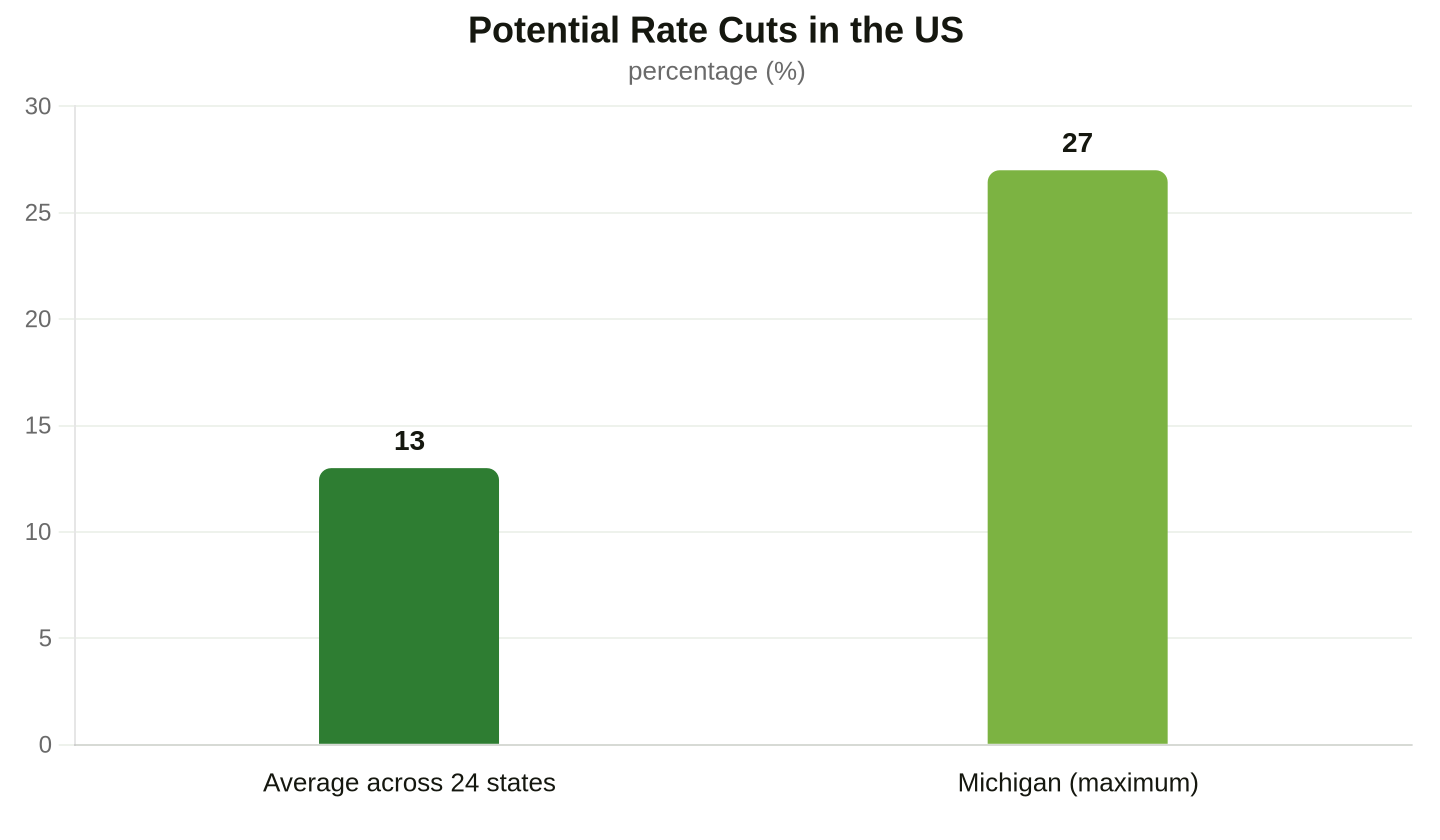
Connecting as many heat pumps as existing infrastructure can absorb, without expanding lines, could push average residential rates around 13 percent below what they would otherwise be — roughly $200 in annual savings per customer. Michigan, after adding 3.6 million systems, could see a 27 percent reduction.
The research identifies hybrid configurations as the optimal path. Illinois grids could accommodate only 30 percent fully electric systems; a mix of 79 percent hybrid units with gas backup for the coldest days and 21 percent all-electric pumps would maximize use of available grid headroom and bring the steepest rate relief.
RMI cautions that its findings are indicative: the authors had no access to individual utility operators’ internal data. A lower per-kWh rate does not automatically mean a smaller bill — a 2024 Michigan study found that at prevailing fuel prices, replacing gas heating could raise some households’ annual costs by more than $1,000. Special winter tariffs have already delivered measurable results, however: Massachusetts heat pump owners saved at least $37 million last winter through dedicated winter pricing.
Source: Canary Media
Become a member of 100 RE UA
Switching to 100% renewable energy in Ukraine is possible!